




Analyzing the Role of Biometric Technology in Supporting Climate Refugees
By Startup Korea Research Desk | May 14, 2026 The intersection of technology and humanitarian efforts has gained significant traction in recent years, particularly in the context of climate change and its associated challenges. A recent initiati...

By Startup Korea Research Desk | May 14, 2026
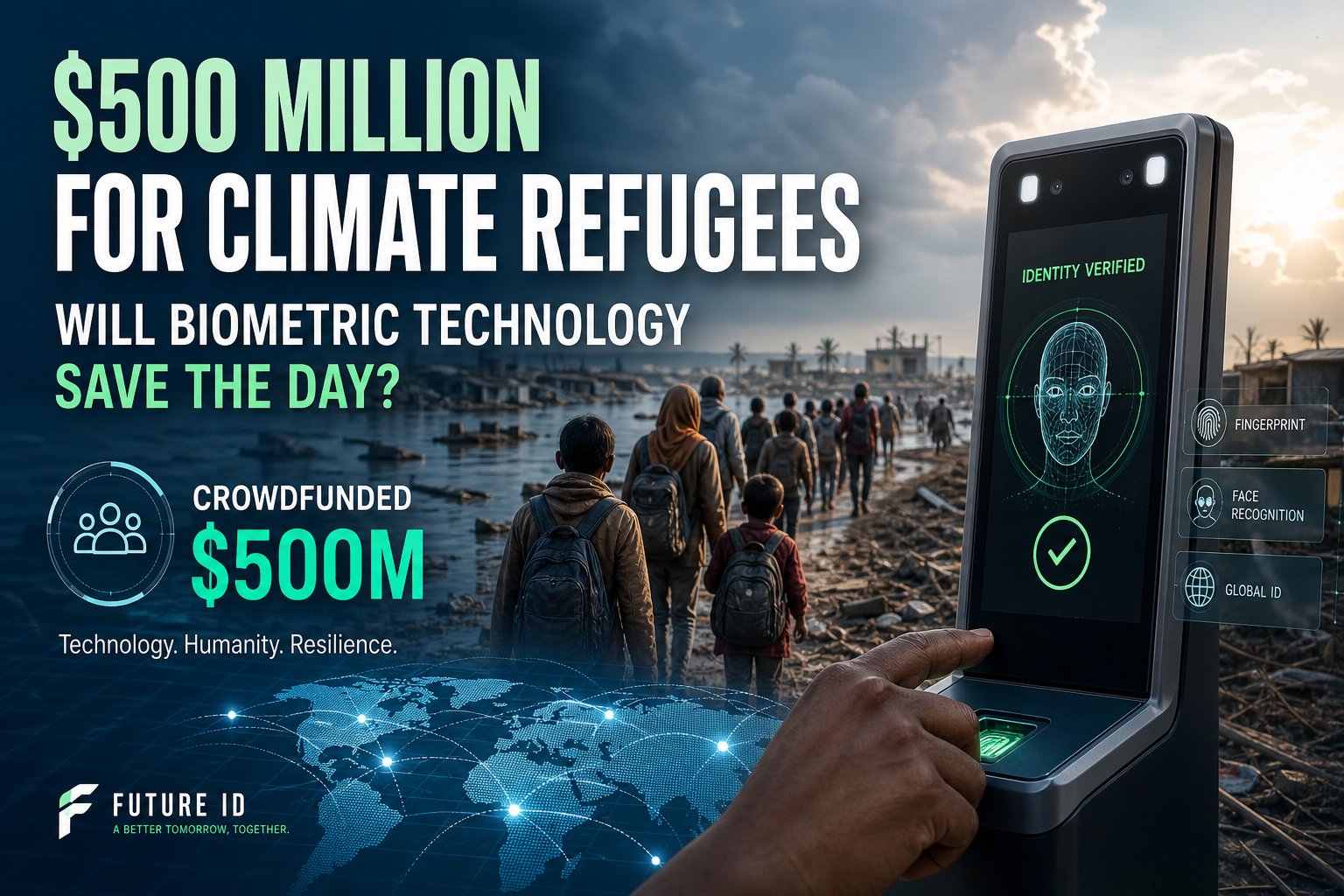
The intersection of technology and humanitarian efforts has gained significant traction in recent years, particularly in the context of climate change and its associated challenges. A recent initiative has emerged, securing substantial funding aimed at addressing the plight of climate refugees through the use of biometric technology. This analysis explores the market trends, business model viability, adoption risks, and the strategic considerations for founders in this evolving landscape.
Market Trends in Climate Technology
The global climate crisis is projected to displace approximately 140 million people by 2050, according to estimates from the United Nations. This alarming forecast has catalyzed a surge in investment within the climate technology sector, with funding for climate-tech startups reaching an unprecedented $3 billion in 2025 alone. Investors are increasingly recognizing the potential for innovative solutions to address the challenges posed by climate change, leading to a favorable environment for startups focused on this domain.
Business Model Viability
One notable startup in this space has developed a platform that aims to assist climate refugees by leveraging biometric authentication systems. The proposed model involves creating a digital haven for displaced individuals, facilitating smoother transitions through the use of biometric data. This approach seeks to streamline the often cumbersome processes associated with refugee assistance, potentially enhancing the overall efficiency of humanitarian efforts.
However, the viability of such a business model hinges on several factors. First, the effectiveness of biometric technology in real-world applications must be thoroughly evaluated. While biometric systems can offer enhanced security and efficiency, they also raise concerns regarding privacy, data security, and accessibility for vulnerable populations. Startups must navigate these complexities to build trust among users and stakeholders.
Adoption Risks and Challenges
Despite the promising outlook, there are significant risks associated with the adoption of biometric technology in humanitarian contexts. Analysts have raised concerns about the potential oversimplification of complex issues related to climate displacement. While a smartphone application may provide a convenient solution, it does not address the underlying infrastructure and political challenges that contribute to the displacement of individuals.
- Infrastructure Limitations: Many regions affected by climate change lack the necessary infrastructure to support advanced technological solutions. This limitation could hinder the effectiveness of biometric systems in reaching those who need assistance the most.
- Political Will: The implementation of technology-driven solutions often requires a supportive political environment. Without the necessary political will, initiatives aimed at assisting climate refugees may face significant obstacles.
- Data Privacy Concerns: The collection and storage of biometric data raise important ethical questions. Startups must ensure robust data protection measures to safeguard sensitive information and maintain user trust.
Investor Diligence and Strategic Considerations
As the climate-tech sector continues to attract investment, it is crucial for investors to conduct thorough due diligence when evaluating startups in this space. Understanding the unique challenges and opportunities associated with biometric technology is essential for making informed investment decisions.
Investors should consider the following strategic factors:
- Market Demand: Assessing the actual demand for biometric solutions among climate refugees is vital. Startups must demonstrate a clear understanding of their target audience and the specific needs they aim to address.
- Partnership Opportunities: Collaborations with established humanitarian organizations and government agencies can enhance the credibility and reach of startups, providing valuable resources and expertise.
- Regulatory Compliance: Navigating the regulatory landscape surrounding biometric data is critical. Startups must ensure compliance with relevant laws and regulations to mitigate legal risks.
Conclusion
The integration of biometric technology into efforts to support climate refugees presents both opportunities and challenges. While the potential for innovation in this space is significant, startups must approach the complexities of the humanitarian landscape with caution. A thorough understanding of market dynamics, adoption risks, and strategic considerations will be essential for founders seeking to make a meaningful impact in addressing the urgent needs of climate-displaced individuals.
Editor's note: This is original market analysis and not investment advice.
What's Your Reaction?
 Like
0
Like
0
 Dislike
0
Dislike
0
 Love
0
Love
0
 Funny
0
Funny
0
 Angry
0
Angry
0
 Sad
0
Sad
0
 Wow
0
Wow
0