
Analyzing the Rise of Emotionally-Driven Commerce: A Case Study on Vending Innovations
By Startup Korea Research Desk | Apr 07, 2026 The intersection of technology and mental health is increasingly becoming a focal point for startups aiming to innovate in the consumer goods sector. One notable example is the emergence of vending m...

By Startup Korea Research Desk | Apr 07, 2026
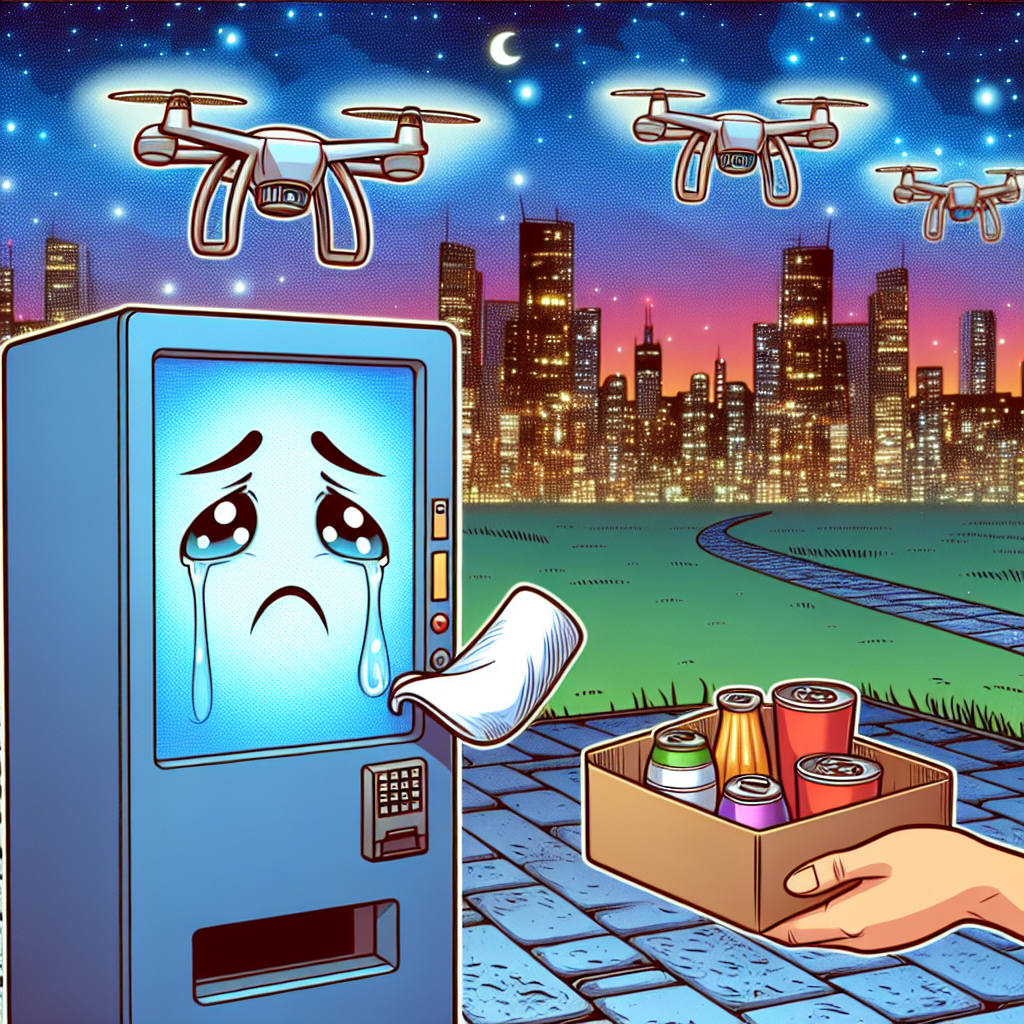
The intersection of technology and mental health is increasingly becoming a focal point for startups aiming to innovate in the consumer goods sector. One notable example is the emergence of vending machines that cater to emotional states, a concept that has sparked interest among investors and consumers alike. This analysis explores the broader implications of such emotionally-driven commerce, the potential market size, and the risks associated with this novel business model.
The Concept of Emotion-Driven Commerce
Emotion-driven commerce represents a shift in how products are marketed and sold, moving beyond traditional transactional relationships to a more nuanced engagement with consumers' emotional states. Startups are beginning to explore how feelings can influence purchasing decisions, leading to the development of products that not only fulfill physical needs but also address emotional ones.
Market Potential and Growth Projections
The global mental health market is projected to reach approximately $500 billion by 2026. This growth is fueled by increasing awareness of mental health issues and the rising demand for solutions that offer emotional support. Startups that successfully integrate technology with mental health initiatives stand to capture a significant share of this burgeoning market.
Innovative Business Models
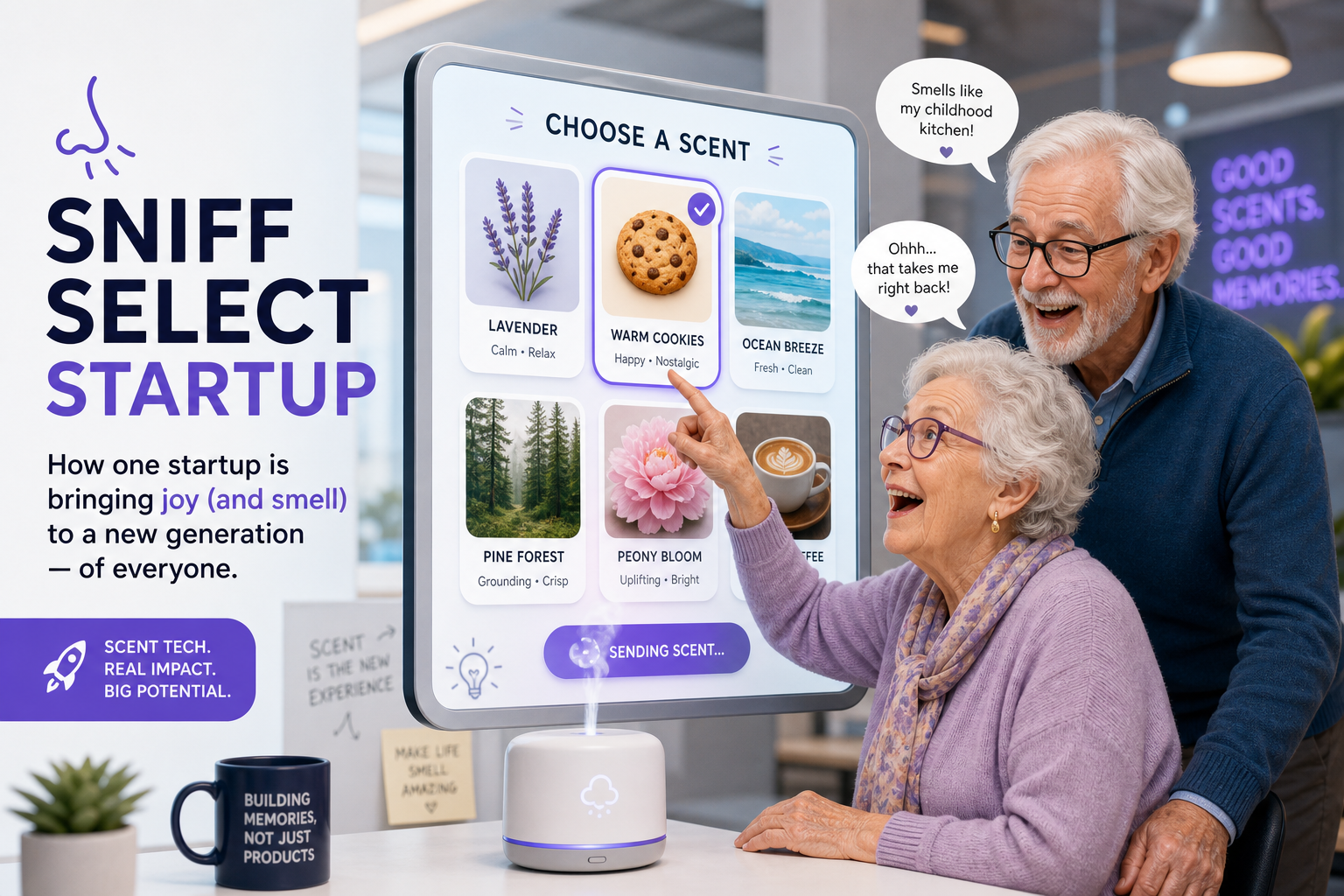
Vending machines that dispense products based on emotional cues represent a unique business model that leverages technology, such as facial recognition, to engage consumers. This model not only provides a tangible product but also creates a unique experience that resonates with consumers on a personal level. By aligning product offerings with emotional states, companies can differentiate themselves in a crowded marketplace.
Adoption Risks and Consumer Reception
While the concept of emotion-driven commerce is intriguing, it is not without its challenges. Consumer acceptance is a critical factor that can determine the success of such innovations. There are inherent risks in relying on emotional responses to drive sales, as these responses can be unpredictable and vary significantly among individuals.
- Privacy Concerns: The use of facial recognition technology raises significant privacy issues. Consumers may be hesitant to engage with products that require them to display their emotions publicly.
- Market Saturation: As more companies enter the emotionally-driven commerce space, differentiation will become increasingly challenging. Startups must continually innovate to maintain consumer interest.
- Regulatory Scrutiny: The integration of technology in mental health-related products may attract regulatory attention, necessitating compliance with various health and safety standards.
Investor Diligence and Market Viability
Investors looking to enter the emotionally-driven commerce space should conduct thorough due diligence. Understanding the psychological underpinnings of consumer behavior is essential for assessing the viability of such business models. Additionally, investors should evaluate the scalability of these innovations and the potential for long-term sustainability in a rapidly evolving market.
Strategic Considerations for Founders
For founders in this space, a clear strategy that addresses both the emotional and practical aspects of their products is crucial. Building a brand that resonates with consumers on an emotional level while also delivering tangible benefits can create a loyal customer base. Moreover, founders must remain adaptable, ready to pivot their business models in response to consumer feedback and market trends.
Conclusion
The rise of emotionally-driven commerce presents both opportunities and challenges for startups. As the market for mental health solutions continues to grow, innovative business models that integrate technology with emotional engagement will likely gain traction. However, the success of such ventures will depend on consumer acceptance, careful navigation of privacy concerns, and the ability to differentiate in a competitive landscape.
Editor's note: This is original market analysis and not investment advice.
What's Your Reaction?
 Like
0
Like
0
 Dislike
0
Dislike
0
 Love
0
Love
0
 Funny
0
Funny
0
 Angry
0
Angry
0
 Sad
0
Sad
0
 Wow
0
Wow
0