




Analyzing the Rise of Collaboration Tools in the Attention Economy
By Startup Korea Research Desk | Apr 11, 2026 In the rapidly evolving landscape of workplace productivity, startups are increasingly focusing on the dynamics of distraction and collaboration. One such emerging player in this space is a startup t...


By Startup Korea Research Desk | Apr 11, 2026
In the rapidly evolving landscape of workplace productivity, startups are increasingly focusing on the dynamics of distraction and collaboration. One such emerging player in this space is a startup that has recently gained attention for its innovative approach to harnessing the power of distracted workers. This analysis delves into the market trends surrounding collaboration tools, the business models being adopted, potential risks, and the strategies that founders are employing to navigate this complex environment.
The Business Model: Turning Distraction into Collaboration
The startup in question has introduced a platform designed to connect individuals who struggle with maintaining focus. By leveraging a group behavior analytics engine, the platform aims to create a community that thrives on shared experiences of distraction. This approach not only seeks to monetize the attention deficit but also positions itself as a support system for users looking to enhance their productivity through collective engagement.
Market Context: The Emergence of the Attention Economy
Recent studies indicate that a significant portion of the workforce, approximately 70% of American workers, report being easily distracted during work hours. This trend has been exacerbated by the rise of remote work, which has fundamentally altered traditional work environments. As a result, the demand for tools that cater to these attention challenges has surged.
According to market forecasts, the collaboration tool sector is projected to experience substantial growth, with estimates suggesting an annual increase of 25%. This growth trajectory could see the market reach a valuation of $20 billion by 2030. Such figures underscore the urgency for businesses to adapt to the changing dynamics of work and the need for innovative solutions that address distraction.
Behavioral Analytics: A Key Differentiator
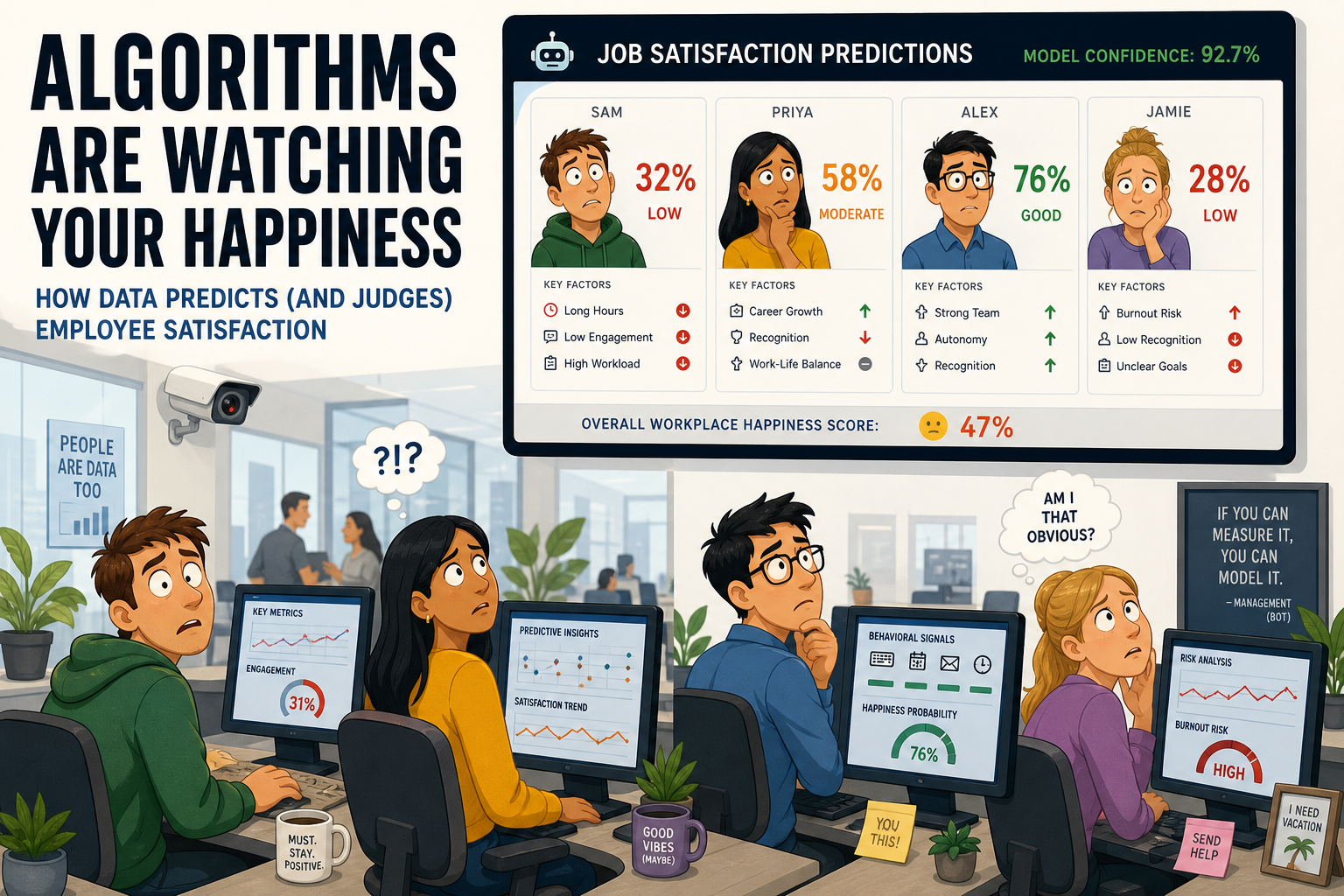
The core of this startup's offering lies in its behavioral analytics capabilities. By analyzing patterns of collective distraction, the platform aims to provide insights that could enhance productivity. Investors are particularly interested in the potential applications of this data, which could inform strategies for optimizing team performance and engagement.
However, while the promise of behavioral analytics is enticing, it raises questions about privacy and data security. Startups must navigate these concerns carefully to build trust with users and investors alike. The ability to forecast distractions—whether they stem from social media or other sources—could be a game changer, but it requires a delicate balance between leveraging data and respecting user privacy.
Investor Diligence: Assessing Risks and Opportunities
As with any emerging technology, investor diligence is critical. While the concept of monetizing distraction may seem innovative, it is essential for investors to assess the long-term viability of such business models. The potential for backlash against encouraging distraction in the workplace could pose significant risks. Critics argue that fostering a culture of distraction could lead to decreased productivity and increased chaos in work environments.
Moreover, the startup landscape is highly competitive, with numerous players vying for market share in the collaboration tools sector. Investors must evaluate the startup's unique value proposition and its ability to differentiate itself from existing solutions. This includes examining the scalability of the business model and the effectiveness of its marketing strategies.
Founder Strategy: Navigating the New Normal
For founders operating in the attention economy, a clear strategy is essential. This includes understanding the target audience and their pain points, as well as crafting a compelling narrative around the product's benefits. Engaging with users to gather feedback and iterating on the product based on real-world usage can help in refining the offering.
Additionally, founders must be prepared to address the skepticism surrounding their business model. Transparent communication about how the platform enhances productivity, rather than merely facilitating distraction, will be crucial in gaining user and investor confidence.
Conclusion: The Future of Collaboration Tools
The rise of collaboration tools that cater to the attention economy presents both opportunities and challenges. As the market continues to evolve, startups must remain agile and responsive to the needs of their users while navigating the complexities of investor expectations and competitive pressures. The ability to transform distraction into a productive asset could redefine workplace dynamics, but success will depend on the execution of sound business strategies and a commitment to user engagement.
Editor's note: This analysis is original market analysis and not investment advice.
What's Your Reaction?
 Like
0
Like
0
 Dislike
0
Dislike
0
 Love
0
Love
0
 Funny
0
Funny
0
 Angry
0
Angry
0
 Sad
0
Sad
0
 Wow
0
Wow
0