



Analyzing the Market Potential of AI-Driven Companionship Solutions
Analyzing the Market Potential of AI-Driven Companionship Solutions By Startup Korea Research Desk | May 14, 2026 The emergence of technology-driven solutions to address social issues has become increasingly prevalent in recent years. One of the...

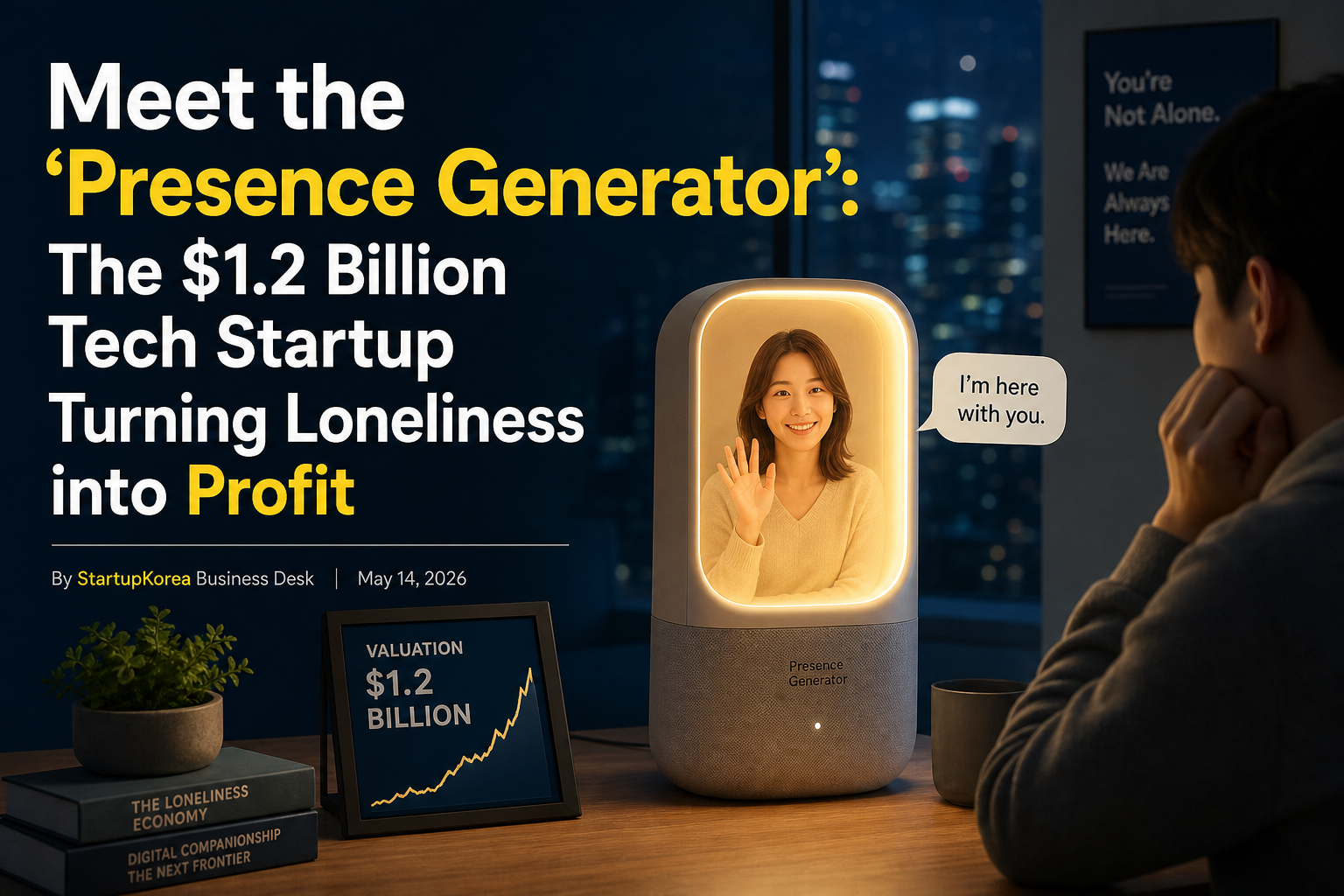
Analyzing the Market Potential of AI-Driven Companionship Solutions
By Startup Korea Research Desk | May 14, 2026
The emergence of technology-driven solutions to address social issues has become increasingly prevalent in recent years. One of the most notable trends is the rise of AI-powered companionship platforms, designed to combat loneliness and enhance user engagement. This analysis explores the market dynamics surrounding these innovations, the business models they employ, and the potential risks and rewards for investors and founders alike.
The Growing Loneliness Epidemic
Recent studies indicate that loneliness is a significant and growing concern, with a substantial portion of the population reporting feelings of isolation. For instance, surveys suggest that approximately 61% of Americans experience loneliness at some point in their lives. This statistic highlights a pressing social issue that technology companies are keen to address, presenting a unique opportunity for startups focused on developing solutions to enhance social connectivity.
Market Trends and Growth Potential
The global market for loneliness solutions is projected to reach $10 billion by 2028, driven by advancements in artificial intelligence and an increasing acceptance of technology-mediated interactions. Investors are recognizing the potential of AI-driven companionship platforms, which leverage sophisticated algorithms to provide users with personalized experiences that mimic human interaction.
As the demand for innovative solutions to combat loneliness grows, startups in this sector are attracting significant investment. The funding landscape is characterized by venture capitalists eager to capitalize on the intersection of technology and mental wellness, leading to a surge in pre-IPO funding rounds for companies developing these solutions.
Business Models and Value Proposition
AI companionship platforms typically operate on subscription-based models, offering users access to a range of services designed to enhance their emotional well-being. These services may include virtual interactions, guided activities, and personalized content tailored to individual preferences. By creating a sense of companionship through technology, these platforms aim to provide users with emotional support while also generating recurring revenue streams.
Moreover, the scalability of AI technologies allows these startups to reach a broad audience without the constraints of traditional service models. As users increasingly seek digital solutions for their emotional needs, the potential for growth in this sector becomes evident.
Adoption Risks and Challenges
Despite the promising market potential, several risks and challenges could impact the adoption of AI companionship solutions. One significant concern is the ethical implications of using technology to address human emotional needs. Critics argue that reliance on AI for companionship may lead to further social isolation and a decline in genuine human interactions.
Additionally, the effectiveness of these solutions in providing meaningful emotional support remains to be fully validated. While AI can simulate companionship, it may not replace the depth of connection that human relationships offer. Startups must navigate these challenges carefully to ensure that their products genuinely enhance users' lives rather than merely serve as a substitute for authentic connections.
Investor Diligence and Founder Strategy
For investors, due diligence is crucial when evaluating opportunities in the AI companionship sector. Understanding the technology's capabilities, the startup's business model, and the competitive landscape is essential for making informed investment decisions. Investors should also consider the long-term sustainability of these solutions and their potential impact on users' mental health.
Founders in this space must develop clear strategies that address both the market demand for companionship solutions and the ethical considerations surrounding their use. Building a strong brand that emphasizes the positive aspects of technology-mediated interactions while remaining transparent about its limitations will be key to gaining user trust and fostering long-term engagement.
Conclusion
The rise of AI-driven companionship solutions presents a compelling opportunity for startups and investors alike. As the market for loneliness solutions continues to expand, the potential for innovation and growth is significant. However, navigating the associated risks and challenges will require careful consideration and strategic planning. By focusing on ethical practices and genuine user engagement, companies in this sector can position themselves for success in a rapidly evolving landscape.
Editor's note: This analysis is original market analysis and not investment advice.
What's Your Reaction?
 Like
0
Like
0
 Dislike
0
Dislike
0
 Love
0
Love
0
 Funny
0
Funny
0
 Angry
0
Angry
0
 Sad
0
Sad
0
 Wow
0
Wow
0