



Analyzing the Impact of Autonomous Robotics on Education: Market Trends and Challenges
Analyzing the Impact of Autonomous Robotics on Education: Market Trends and Challenges By Startup Korea Research Desk | Apr 11, 2026 The intersection of education and technology has seen a significant evolution over the past decade, with autonom...

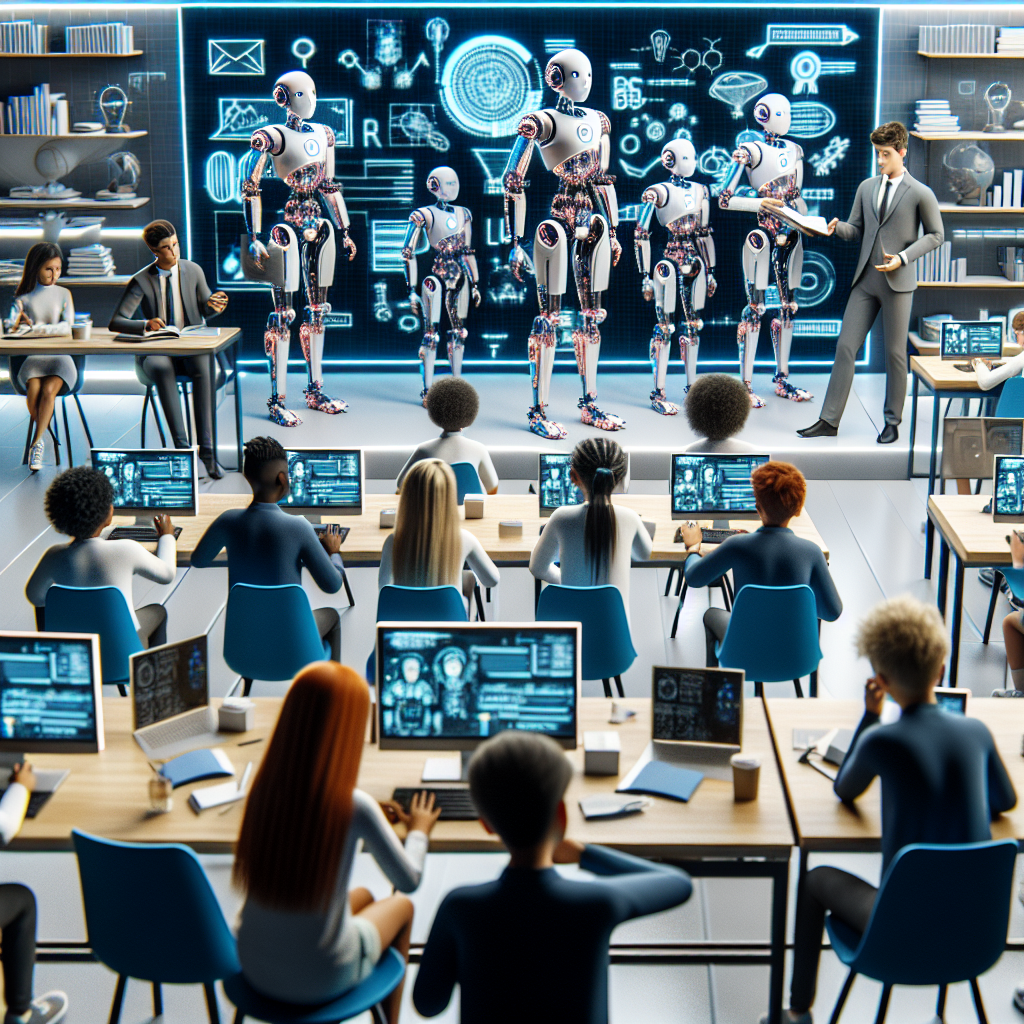
Analyzing the Impact of Autonomous Robotics on Education: Market Trends and Challenges
By Startup Korea Research Desk | Apr 11, 2026
The intersection of education and technology has seen a significant evolution over the past decade, with autonomous robotics emerging as a potential game-changer in the sector. Recent developments indicate a growing interest in automating study routines through robotic solutions, which promise to enhance learning efficiency and accessibility. However, the adoption of such technologies raises critical questions regarding their long-term implications for education and student development.
Market Landscape and Growth Potential
The global education technology (edtech) market is projected to reach approximately $404 billion by 2025, driven by increasing demand for innovative learning solutions. This growth trajectory presents a lucrative opportunity for startups focused on integrating advanced technologies, such as autonomous robotics, into educational frameworks. Companies like EduBotics, which recently secured substantial funding to develop robotic study aids, exemplify this trend.
Investors are keenly observing the potential for these technologies to capture a significant share of the edtech market. The allure of automating study processes is rooted in the promise of improving educational outcomes, reducing the burden on educators, and making learning more engaging for students. However, as with any emerging technology, the path to widespread adoption is fraught with challenges.
Business Model Viability
The business model of companies developing autonomous educational tools must address several key factors to ensure sustainability and scalability. First, the effectiveness of these robotic solutions in enhancing learning outcomes must be validated through rigorous research and user feedback. While the initial excitement surrounding automation can drive funding and interest, long-term success will depend on demonstrable results.
- User Acceptance: Understanding student and educator acceptance of robotic tools is crucial. Will students prefer interacting with machines over human instructors? This question remains unanswered and could significantly impact market penetration.
- Integration with Existing Systems: Successful implementation requires seamless integration with current educational practices and curricula. Companies must work closely with educators to ensure that their products complement traditional teaching methods rather than replace them.
- Cost-Effectiveness: The pricing strategy for autonomous educational tools must reflect the budget constraints of educational institutions. High costs could limit adoption, particularly in underfunded schools.
Adoption Risks and Concerns
Despite the potential benefits, the adoption of autonomous robotics in education is not without risks. Critics have raised concerns about the implications of relying on technology for learning. One significant worry is the potential impact on cognitive development and critical thinking skills. If students become accustomed to automated learning processes, there is a risk that they may not develop essential analytical skills that are crucial for their academic and professional futures.
Moreover, the reliance on technology in education raises ethical questions regarding data privacy and security. As educational tools become more sophisticated, they often collect vast amounts of data on student performance and behavior. Companies must prioritize transparency and data protection to build trust with users and stakeholders.
Investor Diligence and Market Outlook
For investors, the edtech sector, particularly in the realm of autonomous robotics, presents both opportunities and challenges. Diligence is essential in evaluating the viability of startups entering this space. Investors should consider the following:
- Founder's Vision: The clarity of the founder's vision and their ability to articulate a compelling narrative around the technology's impact on education will be crucial in attracting both funding and user interest.
- Market Research: Comprehensive market research is necessary to understand the competitive landscape and identify potential barriers to entry. Investors should seek startups that have conducted thorough analyses of user needs and market demands.
- Long-Term Strategy: A robust long-term strategy that addresses scalability, adaptability, and ongoing user engagement will be vital for any startup aiming to succeed in this rapidly evolving market.
Conclusion
The emergence of autonomous robotics in education represents a significant shift in how learning can be approached. While the potential for improved efficiency and engagement is promising, the challenges of adoption, integration, and ethical considerations must be carefully navigated. As the edtech market continues to evolve, stakeholders—including educators, investors, and technology developers—must collaborate to ensure that innovations enhance educational outcomes without compromising the foundational elements of learning.
Editor's note: This analysis is original market research and does not constitute investment advice.
What's Your Reaction?
 Like
0
Like
0
 Dislike
0
Dislike
0
 Love
0
Love
0
 Funny
0
Funny
0
 Angry
0
Angry
0
 Sad
0
Sad
0
 Wow
0
Wow
0