

Analyzing the Future of Disaster Preparedness: The Role of Technology in Meal Solutions
By Startup Korea Research Desk | May 08, 2026 As the frequency and intensity of natural disasters continue to rise globally, the need for effective disaster preparedness solutions has become increasingly critical. The intersection of technology...

By Startup Korea Research Desk | May 08, 2026
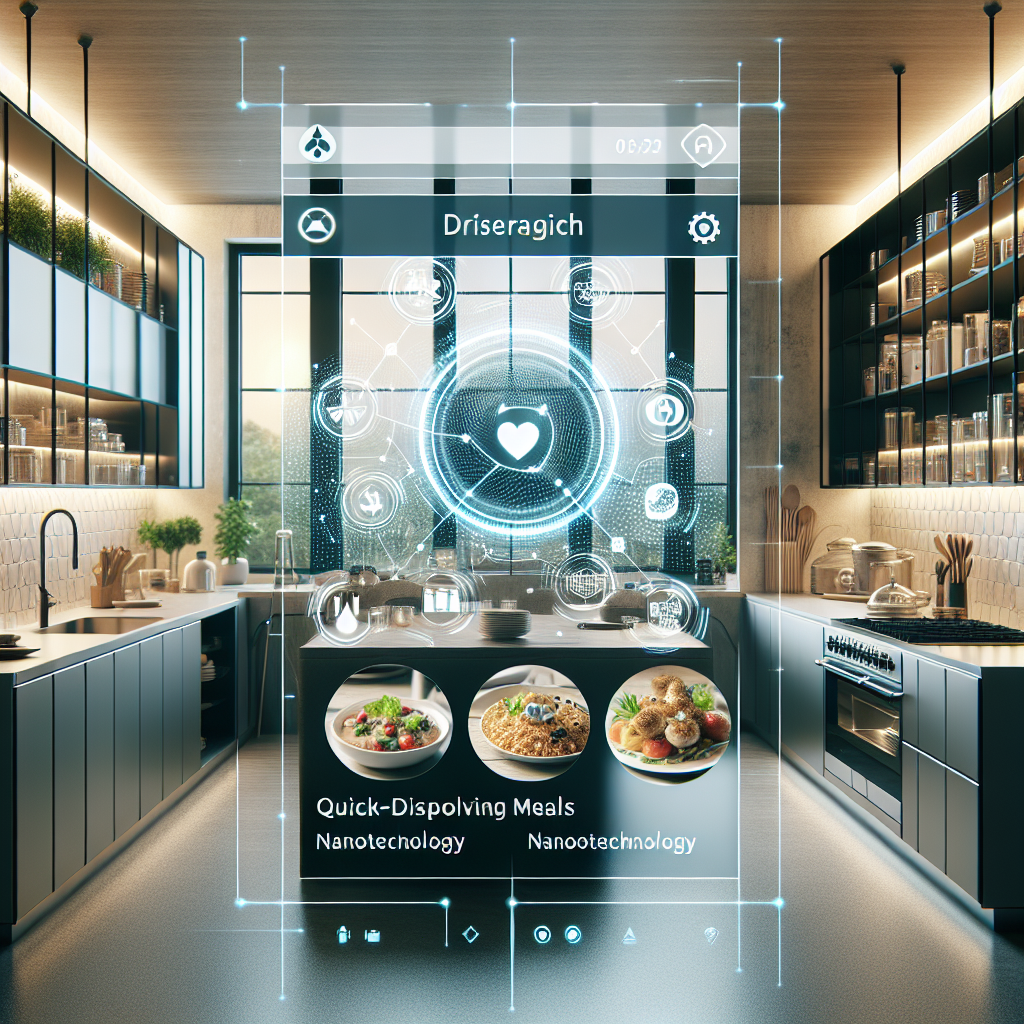
As the frequency and intensity of natural disasters continue to rise globally, the need for effective disaster preparedness solutions has become increasingly critical. The intersection of technology and food supply is emerging as a focal point for innovation, particularly in the realm of meal solutions designed for emergency situations. This analysis explores the current trends in disaster preparedness, the potential of nanotechnology in food preservation, and the implications for investors and entrepreneurs in this space.
The Growing Market for Disaster Preparedness Solutions
The global market for disaster preparedness solutions is projected to reach approximately $200 billion by 2030. This growth is driven by a combination of factors, including an increase in climate-related events, urbanization, and a heightened awareness of food security issues. Consumers are increasingly seeking convenient and reliable meal options that can be stored for extended periods without compromising quality.
- Climate Change Impact: With more frequent natural disasters, the demand for emergency food supplies is expected to rise.
- Consumer Preferences: There is a notable shift towards convenience, with instant meals gaining popularity among consumers who prioritize quick preparation times.
- Technological Advancements: Innovations in food technology, including nanotechnology, are paving the way for smarter meal solutions that promise longer shelf life and enhanced nutritional value.
Nanotechnology in Food Preservation
One of the most intriguing developments in the food sector is the application of nanotechnology for food preservation. This technology involves manipulating materials at the nanoscale to create self-assembling structures that can enhance the longevity and safety of food products. For instance, nanomaterials can be used to create packaging that actively monitors and maintains optimal conditions for food storage, potentially reducing spoilage and waste.
Startups exploring this technology are positioning themselves at the forefront of a new wave of food innovation. By integrating nanotech into meal solutions, these companies aim to offer products that not only meet the immediate needs of consumers during emergencies but also align with broader sustainability goals.
Business Model Considerations
For startups in the disaster preparedness food sector, developing a robust business model is crucial. Key considerations include:
- Target Market: Identifying and understanding the target demographic is essential. This includes assessing the needs of families, individuals in disaster-prone areas, and emergency response organizations.
- Distribution Channels: Effective distribution strategies must be established to ensure that products reach consumers in a timely manner, especially during crises.
- Partnerships: Collaborations with emergency management agencies, NGOs, and retail partners can enhance credibility and expand market reach.
Investor Diligence and Market Risks
As interest in disaster preparedness solutions grows, investors are increasingly scrutinizing startups in this space. Key factors for investor diligence include:
- Market Validation: Startups must demonstrate a clear understanding of market needs and validate their product offerings through pilot programs or consumer feedback.
- Scalability: Investors will look for evidence that the business model can scale effectively to meet growing demand.
- Regulatory Compliance: Navigating food safety regulations is critical, as non-compliance can lead to significant setbacks and reputational damage.
Challenges and Opportunities Ahead
While the potential for innovation in disaster preparedness meal solutions is significant, challenges remain. Consumer skepticism regarding new technologies, particularly in food applications, can hinder adoption. Additionally, the competitive landscape is evolving, with both startups and established companies vying for market share.
However, the convergence of technology and food supply presents a unique opportunity for entrepreneurs willing to address these challenges head-on. By focusing on transparency, quality, and consumer education, startups can build trust and foster long-term relationships with their customers.
Conclusion
The future of disaster preparedness is likely to be shaped by advancements in technology, particularly in the food sector. Startups leveraging nanotechnology and innovative meal solutions have the potential to transform how consumers prepare for emergencies. As the market continues to evolve, careful consideration of business models, investor expectations, and consumer needs will be essential for success.
Editor's note: This analysis is original market research and does not constitute investment advice.
What's Your Reaction?
 Like
0
Like
0
 Dislike
0
Dislike
0
 Love
0
Love
0
 Funny
0
Funny
0
 Angry
0
Angry
0
 Sad
0
Sad
0
 Wow
0
Wow
0