



Analyzing the Employee Retention Forecasting Market: Trends and Implications
By Startup Korea Research Desk | May 06, 2026 In recent years, the intersection of advanced technology and workforce management has garnered significant attention from both startups and investors. One emerging trend is the development of employe...


By Startup Korea Research Desk | May 06, 2026
In recent years, the intersection of advanced technology and workforce management has garnered significant attention from both startups and investors. One emerging trend is the development of employee retention forecasting systems, which aim to predict and enhance employee loyalty in an increasingly competitive job market. This analysis explores the current landscape of employee retention strategies, the implications of digital twin technology, and the associated risks and opportunities for investors and founders.
The Rise of Employee Retention Forecasting
The employee retention market has seen a substantial growth rate, estimated at 15% annually. This growth is driven by the increasing recognition that retaining talent is as crucial as acquiring it. High turnover rates, particularly in the technology sector, which average around 25%, highlight the urgency for companies to adopt effective retention strategies. Startups focusing on predictive analytics and forecasting systems are positioning themselves as key players in this evolving landscape.
Understanding Digital Twin Technology
Digital twin technology, which creates virtual replicas of physical assets, has revolutionized various industries, particularly manufacturing. However, its impact on workforce dynamics is complex. While digital twins can optimize operational efficiency, they may inadvertently contribute to employee disengagement. As companies invest in automation and digital solutions, employees may feel undervalued or threatened, leading to increased turnover.
Forecasting Employee Loyalty: A New Approach
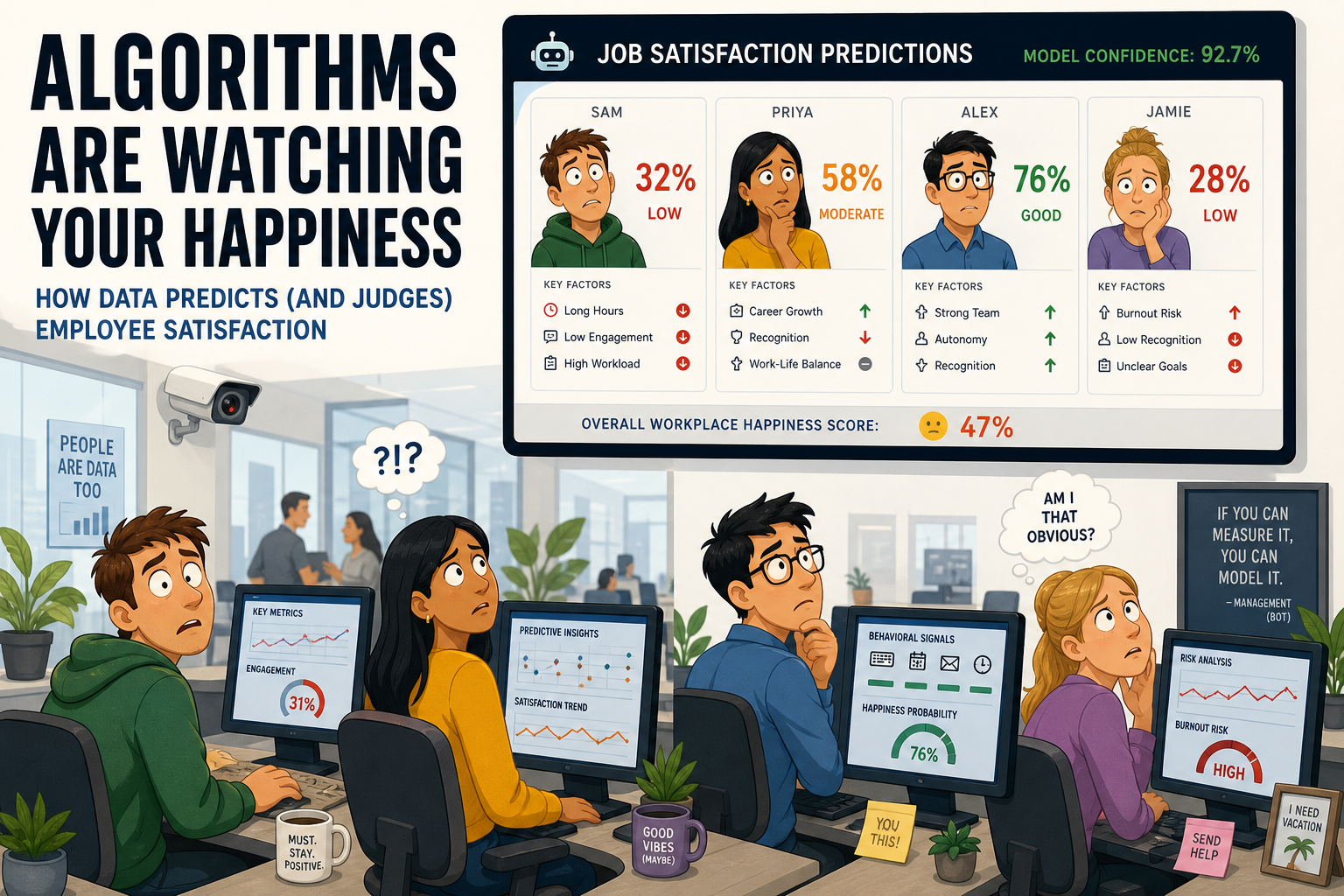
Startups are now exploring how to leverage data analytics to forecast employee loyalty. By analyzing various factors such as job satisfaction, workplace culture, and external market trends, these systems aim to provide insights that help organizations retain their workforce. However, the effectiveness of such systems is still under scrutiny. Critics argue that traditional engagement strategies—such as fostering a positive workplace culture and offering competitive benefits—may yield more immediate results than complex predictive models.
Investment Landscape and Market Potential
The recent announcement of a significant funding round for an employee retention forecasting startup has sparked discussions among investors. The ambitious nature of this funding, reportedly reaching $8 billion, raises questions about the viability of such high-stakes investments in predicting employee behavior. Investors are advised to conduct thorough due diligence, considering both the potential rewards and the inherent risks associated with reliance on predictive analytics.
Risks and Challenges
- Data Over-Reliance: One of the primary concerns is the over-reliance on data-driven predictions, which may not fully capture the nuances of human behavior. Employee motivations can be influenced by a myriad of factors that are difficult to quantify.
- Market Saturation: As more startups enter the employee retention space, the market may become saturated. Companies must differentiate their offerings to remain competitive.
- Implementation Challenges: Integrating forecasting systems into existing HR frameworks can pose significant challenges, requiring substantial investment in training and technology.
Strategic Considerations for Founders
For founders in the employee retention forecasting space, a clear strategy is essential. This includes understanding the specific needs of target customers and developing solutions that address those needs effectively. Collaborating with HR professionals to ensure that predictive models align with real-world applications can enhance the credibility and utility of these systems.
Conclusion
The employee retention forecasting market presents both opportunities and challenges. As companies increasingly recognize the importance of retaining talent, innovative solutions that leverage data analytics will likely gain traction. However, the success of these initiatives will depend on their ability to complement traditional engagement strategies and address the complexities of employee satisfaction.
Editor's note: This analysis is original market research and does not constitute investment advice.
What's Your Reaction?
 Like
0
Like
0
 Dislike
0
Dislike
0
 Love
0
Love
0
 Funny
0
Funny
0
 Angry
0
Angry
0
 Sad
0
Sad
0
 Wow
0
Wow
0