




AI to the Rescue: Will Fake Tea Detection Save the Farm or Just Brew Up More Problems?
By StartupKorea Business Desk | Mar 06, 2026 Brewing Controversy: The Rise of AI in Agriculture and Corporate CultureIn a move that has left investors scratching their heads and farmers swiping their tea leaves, AgriCultureTech has announce...


By StartupKorea Business Desk | Mar 06, 2026
Brewing Controversy: The Rise of AI in Agriculture and Corporate Culture
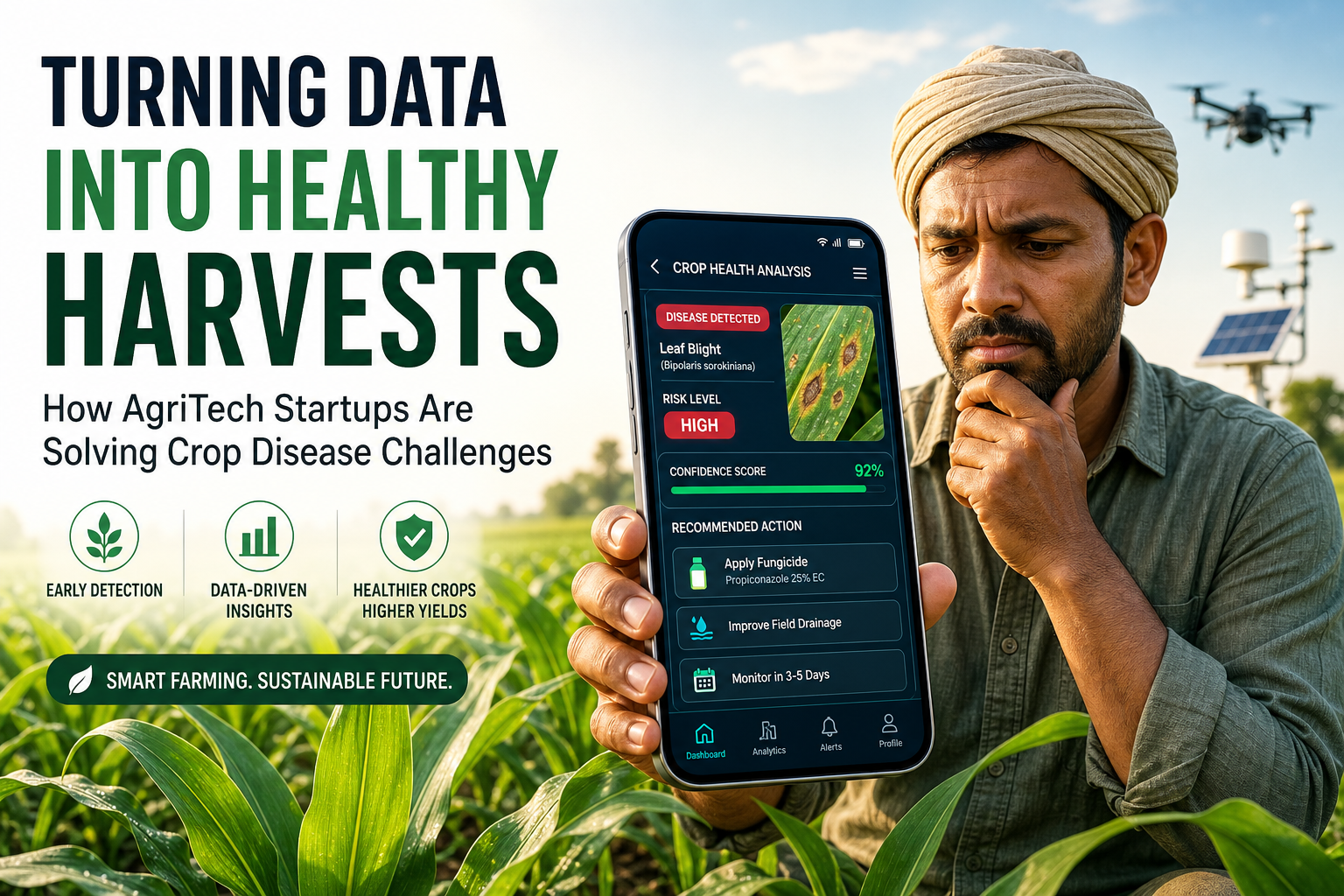
In a move that has left investors scratching their heads and farmers swiping their tea leaves, AgriCultureTech has announced a staggering $300 million strategic investment to develop an AI capable of detecting fake corporate culture and early-stage crop diseases. The funding follows a recent spate of corporate scandals fueled by dubious workplace practices and an alarming surge in crop failures attributed to unrecognized diseases.
Why Fake Tea and Real Crops?
According to AgriCultureTech's CEO, Jane Sipper, the dual focus on corporate culture and agricultural health is crucial in today’s climate. “Farmers and corporations alike are trying to drink from the same cup. We’re just here to ensure it’s not filled with something artificially flavored,” Sipper quipped during a press conference.
As absurd as it sounds, the intersection of AI technology, corporate authenticity, and agricultural wellness seems ripe for disruption—if only to test the limits of investors’ patience and skepticism.
Market Context: A Brew of Opportunities and Risks
The global agricultural technology market is expected to hit $22 billion by 2027, with AI-driven solutions representing a significant portion of this growth. Coupled with the ongoing corporate reckoning surrounding workplace environments, the demand for AI tools that discern genuine culture from facade could be significantly lucrative—if they can actually work.
- Global AgTech market: $22 billion by 2027
- Investment raised: $300 million
- Projected annual growth rate: 15% over the next five years
Investor Sentiment: Sipping Cautiously
The investment community is divided. “This is not just about crop diseases or company morale; it’s about capitalizing on the delusions of both farmers and Fortune 500 CEOs,” remarked Tom D. Capper, an analyst at FundItAll. “If something as trivial as fake tea can spark this level of investment, I’m wondering what’s next: an AI to detect corporate jargon?”
While some investors remain bullish, others highlight the inherent risks. “The reality is, we might just end up with an expensive tea set and a field full of dead plants,” observed Linda Green, a skeptical venture capitalist, who noted the potential for technological overreach and the pitfalls of overlaying AI on human complex behaviors.
The Risks of Relying on Tech for Authenticity
As the startup attempts to decode authenticity, critics warn of several constraints. Can a machine genuinely grasp the nuances of corporate culture? More importantly, can it accurately diagnose crop ailments that have plagued generations of farmers without a personality to back it up?
“The danger here is relying too heavily on technology to interpret what has traditionally been a human experience. It’s like asking an AI to taste tea—it may know the ingredients, but it can’t appreciate the flavor,” stated Dr. Anne Melange, a senior agricultural researcher.
Conclusion: Will This Tea Brew or Steep?
As AgriCultureTech embarks on this audacious journey, the merger of fake tea detection and crop disease analysis will undoubtedly stir the pot. Whether this venture becomes a steaming success or a lukewarm novelty remains to be seen. For now, investors are raising their cups—filled with both optimism and caution—as they await the next brew of updates.
The irony is palpable; in an age where authenticity is paramount, it seems the best we can hope for is a machine to tell us how real our corporate tea truly is. Here’s to hoping it doesn’t steep too long.
What's Your Reaction?
 Like
0
Like
0
 Dislike
0
Dislike
0
 Love
0
Love
0
 Funny
0
Funny
0
 Angry
0
Angry
0
 Sad
0
Sad
0
 Wow
0
Wow
0