


The Rise of Household Labor Exchanges: Analyzing Market Trends and Business Models
The Rise of Household Labor Exchanges: Analyzing Market Trends and Business Models By Startup Korea Research Desk | May 22, 2026 The concept of household labor exchanges is gaining traction as a novel approach to managing domestic responsibiliti...

The Rise of Household Labor Exchanges: Analyzing Market Trends and Business Models
By Startup Korea Research Desk | May 22, 2026
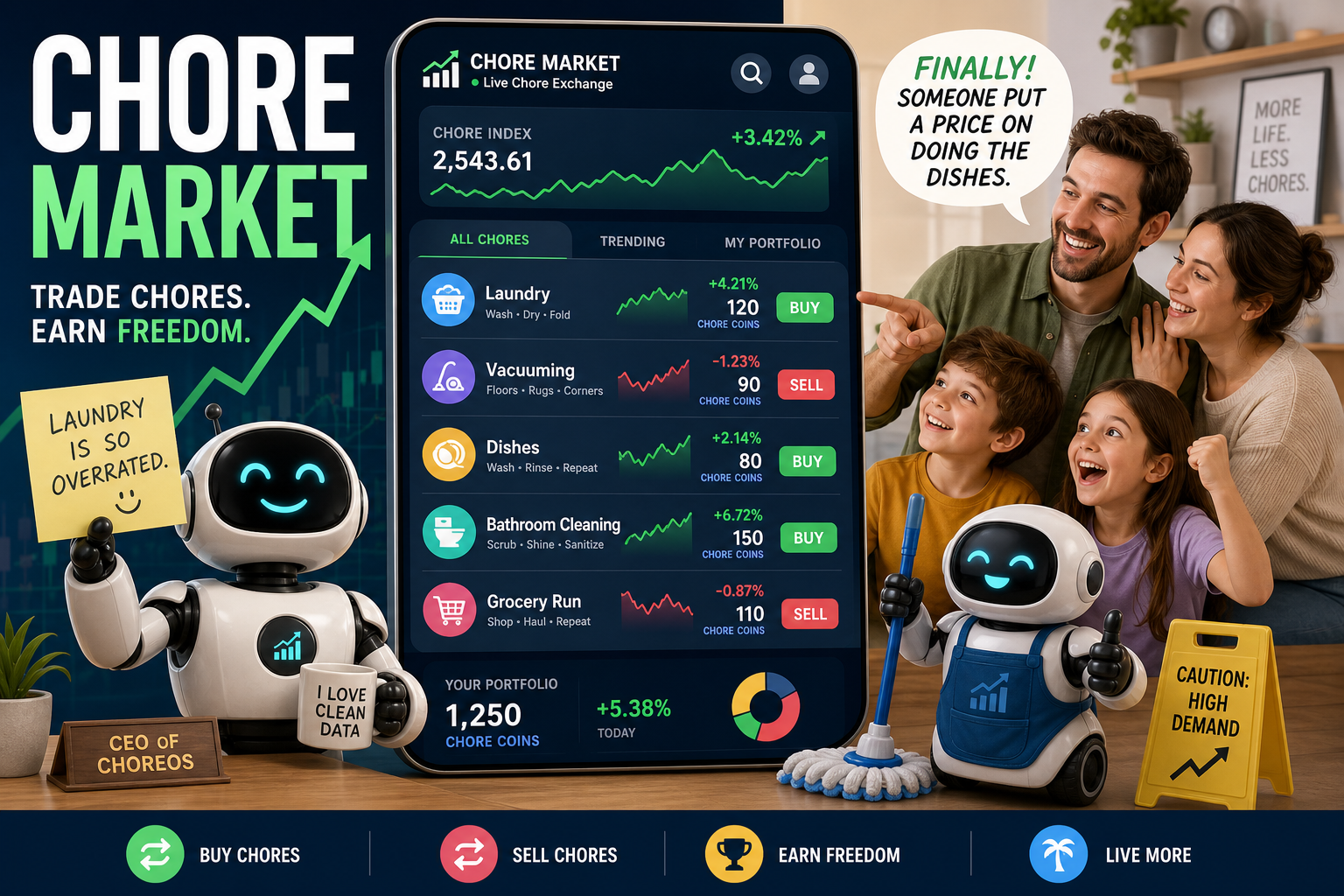
The concept of household labor exchanges is gaining traction as a novel approach to managing domestic responsibilities. This emerging market leverages the gig economy's principles, allowing individuals to trade services related to household chores. As this trend develops, it is essential to analyze the potential market dynamics, business models, and the associated risks for both users and investors.
Market Dynamics and Growth Potential
The household labor exchange market is positioned for significant growth, with projections indicating a potential valuation of $1 billion by 2028. This growth is fueled by several factors, including the increasing acceptance of gig economy platforms, the rising value placed on time savings, and the evolving perception of household chores as tradable commodities.
As more individuals seek flexible work opportunities, platforms that facilitate the exchange of household labor could attract a substantial user base. Estimates suggest that up to 30% of American households may participate in such exchanges within the next five years. This potential user engagement underscores the need for platforms to effectively address user needs and preferences.
Business Model Considerations
The core business model of household labor exchanges typically revolves around a point-based system where users earn points for completing chores, which can then be traded for services provided by others. This model not only incentivizes participation but also creates a community-driven ecosystem where users can benefit from each other's skills and availability.
- Incentives: The success of this model hinges on creating compelling incentives for users to engage consistently. Points must be perceived as valuable, and the platform should facilitate easy trading and redemption processes.
- User Experience: A seamless user experience is critical for adoption. Platforms must invest in user-friendly interfaces and robust algorithms that match users efficiently based on their preferences and availability.
- Trust and Safety: Establishing trust within the community is paramount. Platforms should implement verification processes and user ratings to ensure safety and reliability in transactions.
Adoption Risks and Challenges
While the potential for household labor exchanges is promising, several risks and challenges could impede widespread adoption:
- Market Saturation: As more platforms enter the market, competition may intensify, leading to price wars and reduced profitability for operators.
- User Engagement: Maintaining user engagement over time can be challenging. Platforms must continuously innovate and provide value to keep users active.
- Regulatory Considerations: As with any gig economy platform, regulatory scrutiny may arise, particularly concerning labor laws and taxation. Platforms must be prepared to navigate these complexities.
Investor Diligence and Strategic Insights
For investors considering opportunities in the household labor exchange market, due diligence is essential. Understanding the competitive landscape, evaluating the scalability of the business model, and assessing the management team's capability to execute the vision are critical factors.
Investors should also consider the long-term sustainability of the platform. This includes analyzing user retention strategies, potential revenue streams beyond point trading (such as subscription models or premium services), and the ability to adapt to changing market dynamics.
Founder Strategy and Vision
Founders of household labor exchange platforms must articulate a clear vision that resonates with potential users. This vision should encompass not only the operational aspects of the platform but also the broader social implications of facilitating chore exchanges.
Effective marketing strategies will be crucial in attracting initial users and building a community around the platform. Founders should leverage social media, partnerships, and community engagement to foster awareness and encourage participation.
Conclusion
The rise of household labor exchanges represents a significant shift in how individuals approach domestic responsibilities. As this market evolves, stakeholders must navigate the complexities of user engagement, competition, and regulatory considerations. By focusing on robust business models, fostering trust within the community, and maintaining a clear strategic vision, household labor exchanges have the potential to redefine the gig economy landscape.
Editor's note: This analysis is original market research and does not constitute investment advice.
What's Your Reaction?
 Like
0
Like
0
 Dislike
0
Dislike
0
 Love
0
Love
0
 Funny
0
Funny
0
 Angry
0
Angry
0
 Sad
0
Sad
0
 Wow
0
Wow
0