


The Intersection of AI and Fragrance: Market Trends and Investment Considerations
The Intersection of AI and Fragrance: Market Trends and Investment Considerations By Startup Korea Research Desk | May 24, 2026 The fragrance industry is experiencing a notable transformation, driven by technological advancements and innovative...

The Intersection of AI and Fragrance: Market Trends and Investment Considerations
By Startup Korea Research Desk | May 24, 2026
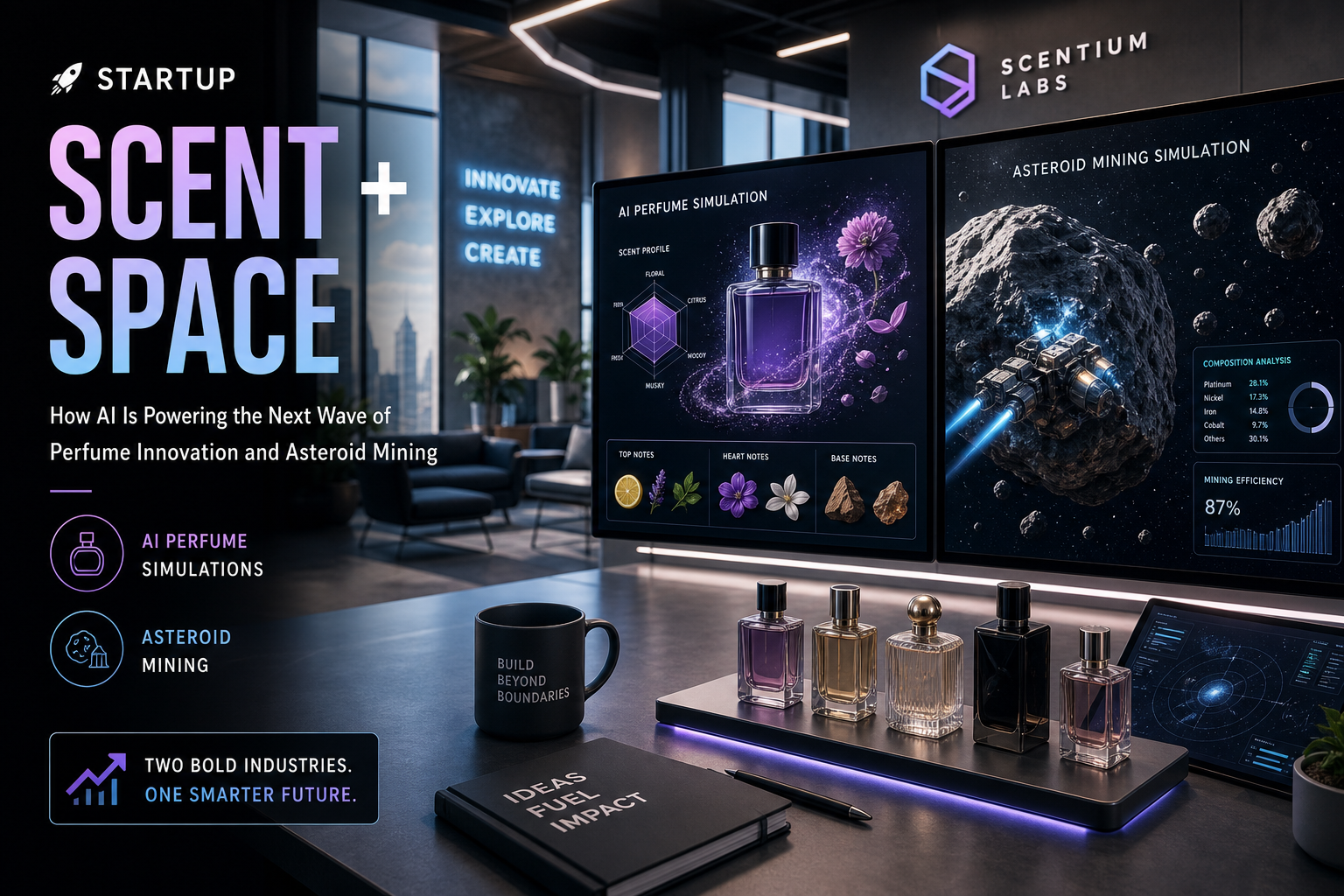
The fragrance industry is experiencing a notable transformation, driven by technological advancements and innovative business models. One of the latest entrants into this space is a startup that combines artificial intelligence (AI) with artisan perfume crafting, aiming to redefine consumer experiences in the olfactory market. This analysis explores the implications of such innovations, the current market landscape, and the potential risks and rewards for investors and founders alike.
Market Dynamics in the Fragrance Industry
As of 2025, the global fragrance market is valued at approximately $52 billion and is projected to grow at an annual rate of 14%. This growth is fueled by increasing consumer demand for personalized products and the integration of technology in the creation and marketing of fragrances. The rise of AI in various sectors, including personal care, is expected to account for around 30% of the fragrance market by 2030. This presents a significant opportunity for startups that can effectively leverage AI to enhance consumer engagement and product customization.
Innovative Business Models
Startups in the fragrance sector are exploring various business models that prioritize customer interaction and personalization. One such model involves platforms that allow users to co-create fragrances using AI tools tailored to their preferences. This approach not only democratizes the fragrance creation process but also fosters a deeper emotional connection between consumers and their chosen scents.
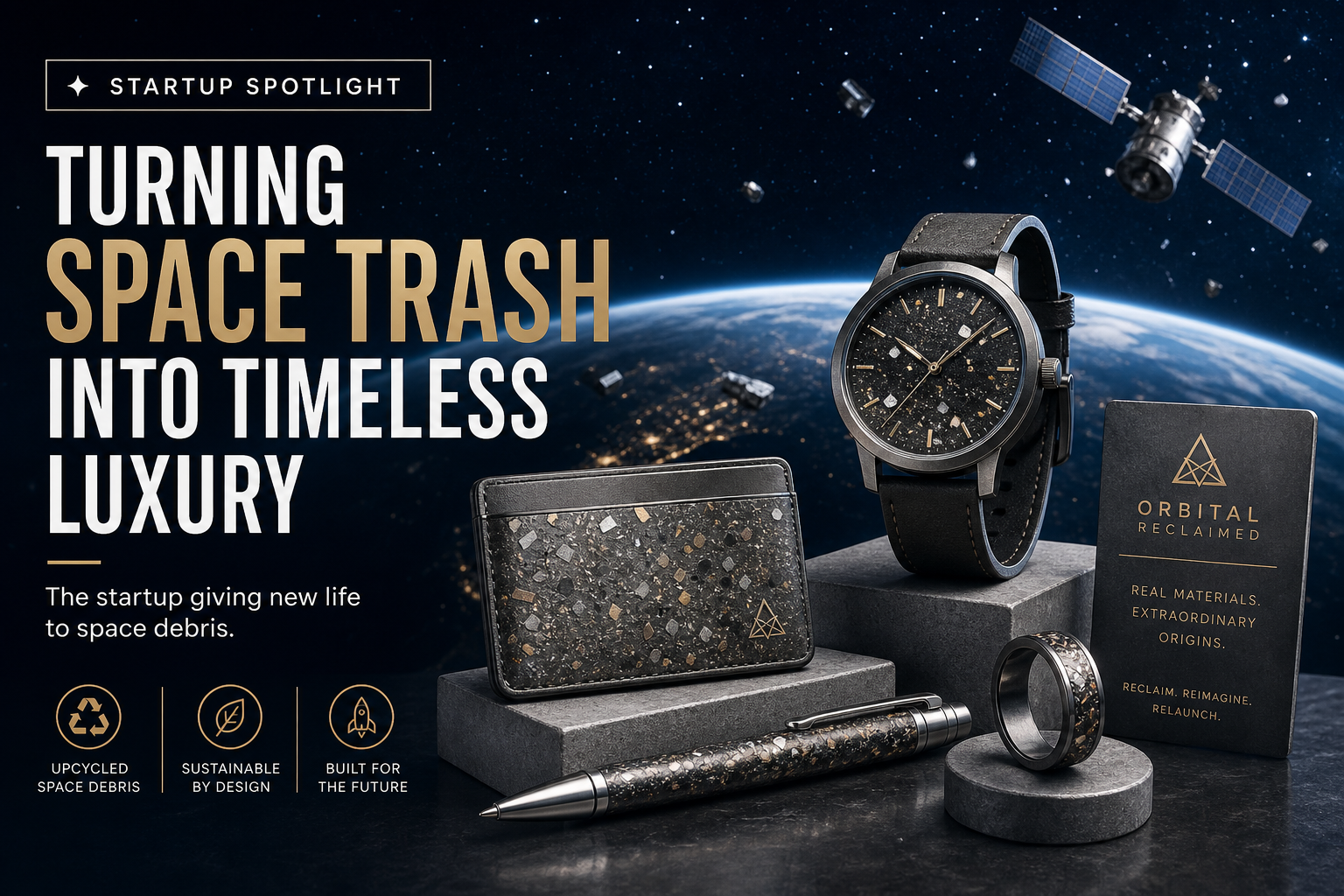
Moreover, the integration of advanced technologies such as simulation engines for resource extraction—though ambitious—highlights a trend where startups seek to differentiate themselves through unique value propositions. By proposing to source materials from unconventional avenues, such as asteroid mining, these companies aim to create a narrative that captivates consumers and investors alike. However, the feasibility of such ventures raises questions about practicality and execution.
Investment Landscape and Opportunities
The intersection of AI and fragrance has garnered significant attention from investors, particularly as the market shows signs of disruption. Investors are increasingly looking for opportunities that combine traditional industries with cutting-edge technology. The potential for high returns in the fragrance market, coupled with the allure of space-related ventures, makes this a compelling area for investment.
However, investor diligence is crucial. While the concept of merging AI with fragrance creation is innovative, it is essential to evaluate the underlying business model's sustainability and scalability. Investors must consider whether the proposed technologies can be effectively implemented and whether the market is ready to embrace such radical changes.
Adoption Risks and Challenges
Despite the excitement surrounding AI-driven fragrance platforms, there are inherent risks associated with technology adoption in this sector. One of the primary concerns is the practicality of sourcing materials from space. The logistics involved in asteroid mining, including cost, environmental impact, and regulatory hurdles, could pose significant challenges that may outweigh the potential benefits.
Additionally, consumer acceptance of AI-generated fragrances remains uncertain. While personalization is a key trend, there is a segment of the market that values traditional craftsmanship and the artisanal aspect of perfume creation. Striking the right balance between innovation and tradition will be critical for startups aiming to capture a broad audience.
Founder Strategy and Vision
The success of startups in the fragrance industry will largely depend on the vision and strategy of their founders. Entrepreneurs must not only possess a deep understanding of the fragrance market but also be adept at navigating the complexities of technology integration. Building a strong brand narrative that resonates with consumers and investors is essential.
Furthermore, founders should prioritize transparency and sustainability in their operations. As consumers become more conscious of environmental issues, demonstrating a commitment to ethical practices will be vital for long-term success. Engaging with stakeholders and fostering a community around the brand can also enhance loyalty and drive growth.
Conclusion
The fragrance industry is at a pivotal juncture, with technology playing an increasingly prominent role in shaping consumer experiences. Startups that successfully integrate AI into their business models have the potential to disrupt traditional practices and capture significant market share. However, the path to success is fraught with challenges, including practical implementation, consumer acceptance, and environmental considerations. Investors and founders alike must approach this evolving landscape with a balanced perspective, weighing the potential rewards against the inherent risks.
Editor's note: This article is original market analysis and not investment advice.
What's Your Reaction?
 Like
0
Like
0
 Dislike
0
Dislike
0
 Love
0
Love
0
 Funny
0
Funny
0
 Angry
0
Angry
0
 Sad
0
Sad
0
 Wow
0
Wow
0