


The Emergence of Technology-Driven Hangover Solutions: Market Analysis
The Emergence of Technology-Driven Hangover Solutions: Market Analysis By Startup Korea Research Desk | May 23, 2026 The intersection of health technology and consumer wellness has given rise to innovative solutions aimed at addressing common li...

The Emergence of Technology-Driven Hangover Solutions: Market Analysis
By Startup Korea Research Desk | May 23, 2026
The intersection of health technology and consumer wellness has given rise to innovative solutions aimed at addressing common lifestyle challenges. One of the more intriguing developments in this space is the emergence of specialized products designed for hangover recovery. As nightlife culture continues to thrive, particularly among younger demographics, startups are exploring the potential of technology to alleviate the discomfort associated with hangovers.
Market Demand and Growth Potential
Recent industry research indicates that the global hangover remedy market is projected to reach $1.4 billion by 2028, with an impressive annual growth rate of 12%. This growth is largely driven by the increasing participation of millennials and Generation Z in nightlife activities, which has heightened the demand for effective recovery solutions. As these consumers seek convenient and efficient ways to manage the aftereffects of social drinking, the market for hangover remedies is poised for significant expansion.
Innovative Technologies in Hangover Recovery
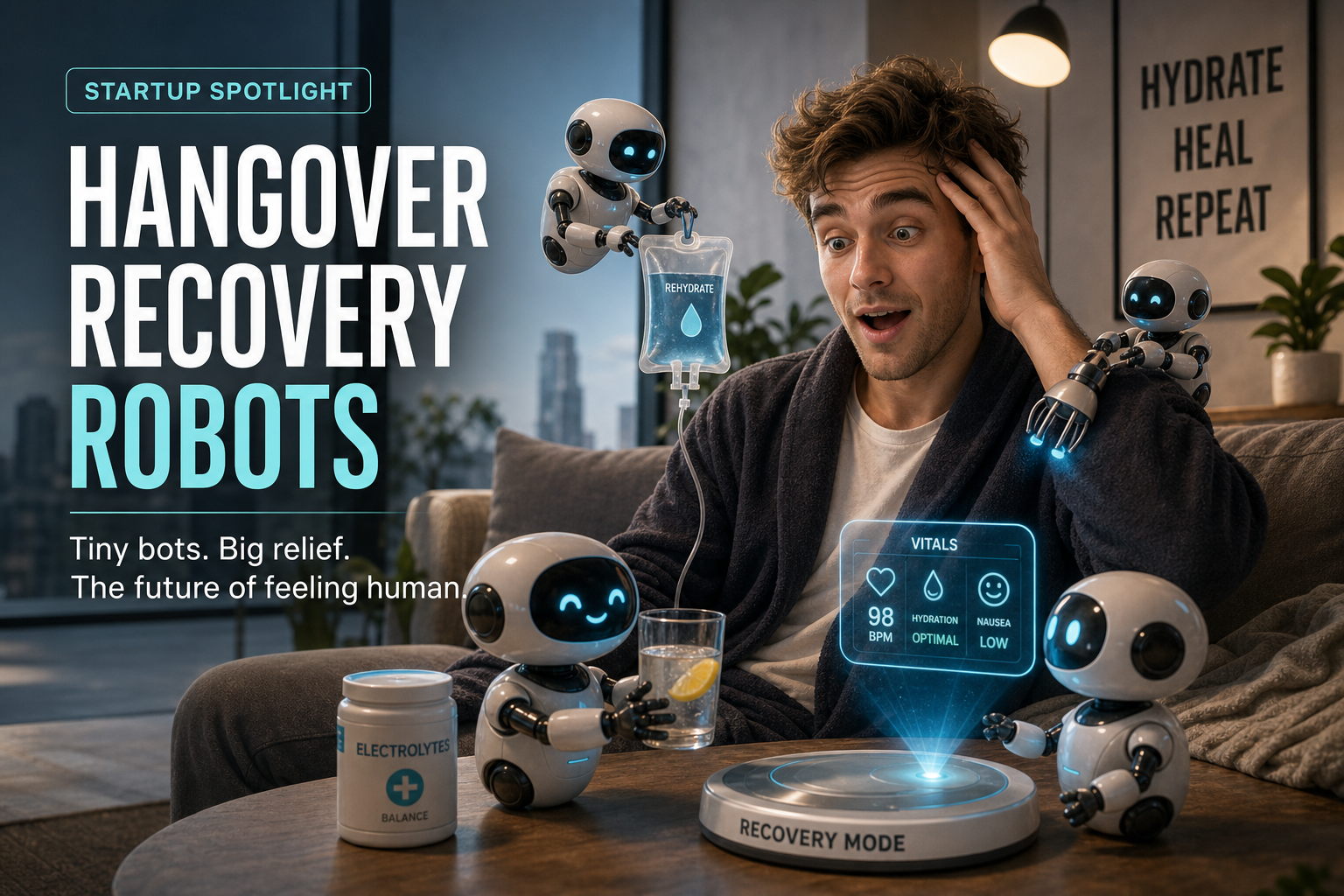
One notable approach within this market is the development of micro-robotics aimed at delivering targeted hydration and nutrients. Startups are exploring the feasibility of deploying small robotic systems that can administer remedies directly to consumers, potentially enhancing the recovery experience. These micro-robots, designed to be minimally invasive, could offer a new level of personalization in health management, catering to individual needs based on specific hangover symptoms.
Business Model Viability
The business models surrounding these innovations are varied, with some companies focusing on direct-to-consumer sales, while others may explore partnerships with event organizers, bars, and wellness centers. The potential for subscription services also exists, allowing consumers to receive regular deliveries of hangover recovery products tailored to their lifestyle. As with any emerging market, the success of these business models will depend on the ability to effectively communicate value to consumers and establish trust in the efficacy of the products offered.
Investor Interest and Market Skepticism
The concept of technology-driven hangover solutions has garnered attention from venture capitalists and investors. The novelty of integrating robotics into personal health management presents a compelling narrative for funding. However, investor enthusiasm is tempered by skepticism regarding the practical implementation of these technologies. Experts emphasize the importance of rigorous testing and validation to ensure that these solutions are both safe and effective.
Challenges in Execution
While the idea of using micro-robots for hangover recovery is innovative, the execution of such technology presents several challenges. Key considerations include regulatory compliance, consumer acceptance, and the technical feasibility of deploying such systems in real-world scenarios. Startups must navigate these hurdles while also addressing the broader concerns surrounding health technology, such as data privacy and user experience.
Strategic Considerations for Founders
For founders entering this niche market, a clear strategy is essential. Understanding consumer behavior and preferences will be critical in shaping product development and marketing efforts. Additionally, establishing partnerships with health professionals and industry stakeholders can lend credibility to the product and enhance its market positioning. Founders should also remain agile, adapting their strategies based on feedback and market trends to ensure long-term sustainability.
Conclusion
The rise of technology-driven hangover solutions reflects broader trends in health and wellness, where consumers increasingly seek innovative ways to manage their well-being. As startups explore the potential of micro-robotics and other advanced technologies, the market for hangover recovery is likely to evolve. However, the path to success will require careful consideration of market demands, execution challenges, and the establishment of viable business models.
Editor's note: This is original market analysis and not investment advice.
What's Your Reaction?
 Like
0
Like
0
 Dislike
0
Dislike
0
 Love
0
Love
0
 Funny
0
Funny
0
 Angry
0
Angry
0
 Sad
0
Sad
0
 Wow
0
Wow
0