



The Emergence of AI-Driven Content Generation: Trends and Implications
The Emergence of AI-Driven Content Generation: Trends and Implications By Startup Korea Research Desk | May 24, 2026 In recent years, the startup ecosystem has witnessed a significant rise in companies leveraging artificial intelligence (AI) for...

The Emergence of AI-Driven Content Generation: Trends and Implications
By Startup Korea Research Desk | May 24, 2026
In recent years, the startup ecosystem has witnessed a significant rise in companies leveraging artificial intelligence (AI) for content generation. This trend is particularly evident in sectors that prioritize creativity, such as marketing and entertainment. As AI technologies evolve, they are increasingly capable of producing content that resonates with audiences, raising questions about the future of human creativity and the viability of AI-driven business models.
Market Dynamics and Growth Potential
The global market for AI-driven content generation is projected to reach approximately $2.7 billion by 2028. This growth is fueled by the increasing demand for engaging and relevant content, particularly among younger demographics. As brands strive to connect with these audiences, the need for innovative content solutions has never been more pressing.
Startups that focus on automating content creation are positioning themselves at the forefront of this trend. By utilizing advanced algorithms and machine learning techniques, these companies can produce high volumes of content quickly and efficiently. This capability not only enhances productivity but also allows for a level of personalization that traditional content creation methods may struggle to achieve.
Business Model Viability
While the potential for AI-driven content generation is substantial, the sustainability of these business models warrants careful examination. Many startups in this space are exploring various monetization strategies, including subscription models, pay-per-use services, and partnerships with brands seeking to enhance their marketing efforts.
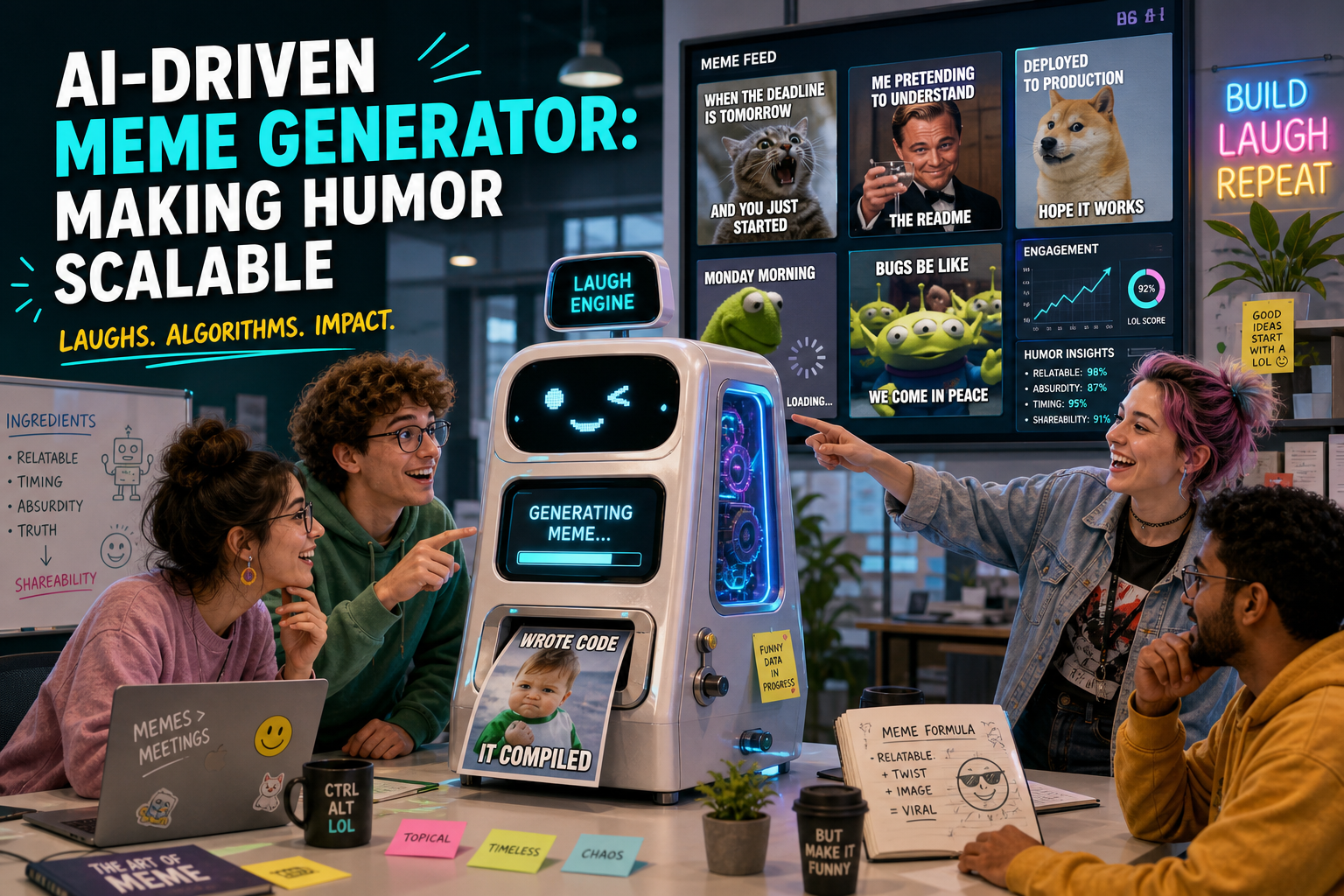
However, the commodification of creativity raises important questions. Can humor, for example, be effectively automated? Will audiences respond positively to content generated by algorithms, or will they prefer the authenticity of human-created material? These uncertainties highlight the need for startups to remain agile and responsive to market feedback as they refine their offerings.
Adoption Risks and Challenges
As with any emerging technology, the adoption of AI-driven content generation comes with inherent risks. One significant concern is the potential for oversaturation in the market. As more companies enter the space, the uniqueness of AI-generated content may diminish, leading to a decline in consumer interest.
Additionally, there are ethical considerations surrounding the use of AI in creative fields. Issues such as intellectual property rights, the potential for bias in algorithmic outputs, and the implications for employment in creative industries must be addressed. Startups that proactively engage with these challenges may be better positioned to gain the trust of consumers and investors alike.
Investor Diligence and Market Sentiment
Investor interest in AI-driven content generation is on the rise, with venture capitalists eager to support innovative startups in this space. However, due diligence is essential. Investors must evaluate not only the technology behind these startups but also the founders' vision and strategy for navigating the complexities of the market.
Successful founders will need to demonstrate a clear understanding of their target audience and the evolving landscape of digital content consumption. They must also be prepared to pivot their business models in response to changing market dynamics and consumer preferences.
Strategic Considerations for Founders
For founders in the AI-driven content generation space, developing a robust strategy is crucial. This includes identifying key differentiators that set their offerings apart from competitors. Whether through unique algorithms, specialized content niches, or innovative user experiences, startups must carve out a distinct position in the market.
Moreover, fostering partnerships with established brands can provide valuable insights and enhance credibility. Collaborations can also serve as a testing ground for new ideas, allowing startups to refine their products based on real-world feedback.
Conclusion
The rise of AI-driven content generation represents a significant shift in the creative landscape. While the potential for growth is substantial, startups must navigate a complex array of challenges, including market saturation, ethical considerations, and the need for continuous innovation. By remaining adaptable and responsive to market demands, founders can position their companies for success in this evolving sector.
Editor's note: This is original market analysis and not investment advice.
What's Your Reaction?
 Like
0
Like
0
 Dislike
0
Dislike
0
 Love
0
Love
0
 Funny
0
Funny
0
 Angry
0
Angry
0
 Sad
0
Sad
0
 Wow
0
Wow
0