
Startup Revolutionizes Work-Life Balance with $300 Million 'Anti-Burnout' Robot Hand Initiative
By StartupKorea Business Desk | Apr 19, 2026 A New Era of Employee Wellness?In a move that could redefine workplace dynamics, tech startup WorkHand has announced a staggering $300 million investment to develop a groundbreaking operating sys...

By StartupKorea Business Desk | Apr 19, 2026
A New Era of Employee Wellness?
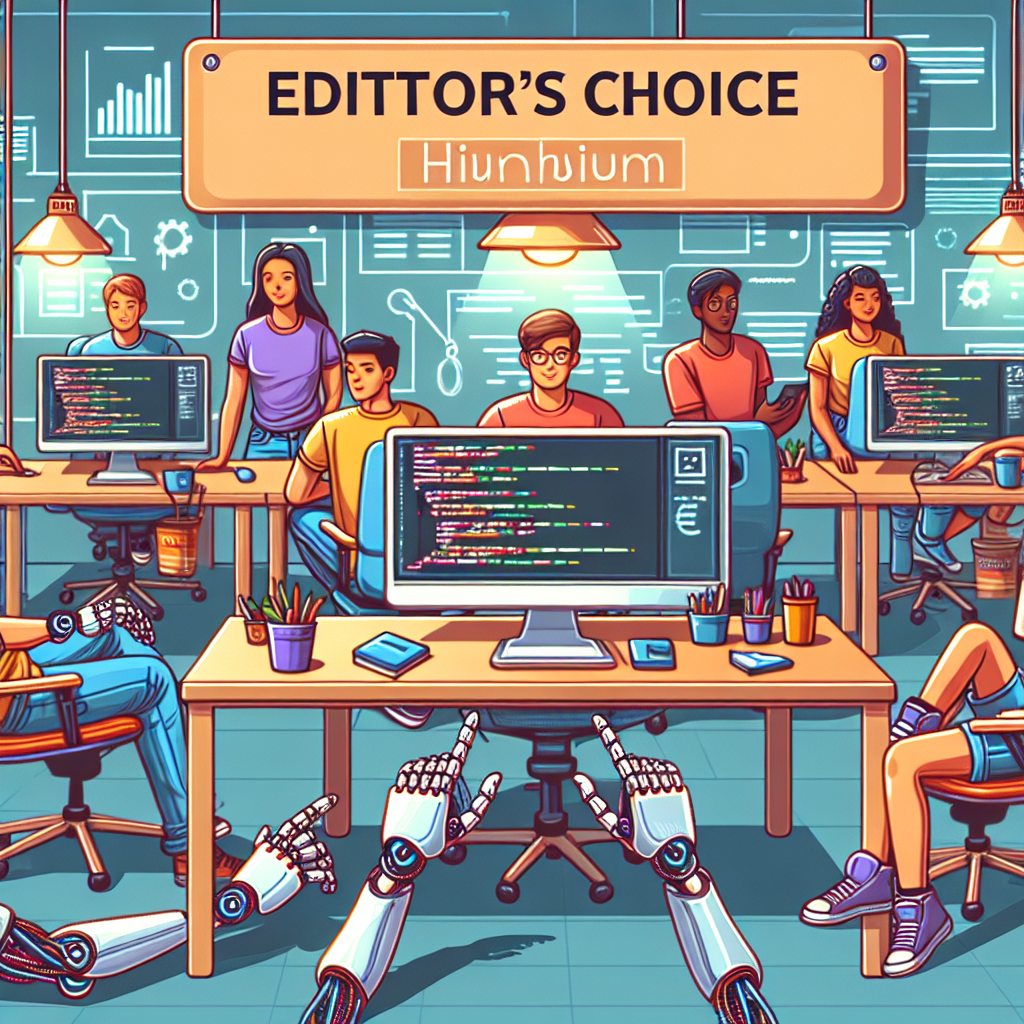
In a move that could redefine workplace dynamics, tech startup WorkHand has announced a staggering $300 million investment to develop a groundbreaking operating system designed to prevent developer burnout. This ambitious initiative promises to leverage cutting-edge robotic hand technology to deliver tactile feedback during long coding sessions, ensuring that employees remain engaged—while simultaneously redefining the meaning of 'hands-on' work.
Why Now?
The timing of this investment is as impeccable as the startup’s name suggests. With a reported 76% of developers experiencing burnout in the last year, according to a survey by the International Developer Association, the demand for solutions is higher than the latest Silicon Valley coffee trends. “We’re not just building code; we’re building a future where developers can touch their work without losing their minds,” stated WorkHand’s CEO, Jane D. Programmer.
What’s the Plan?
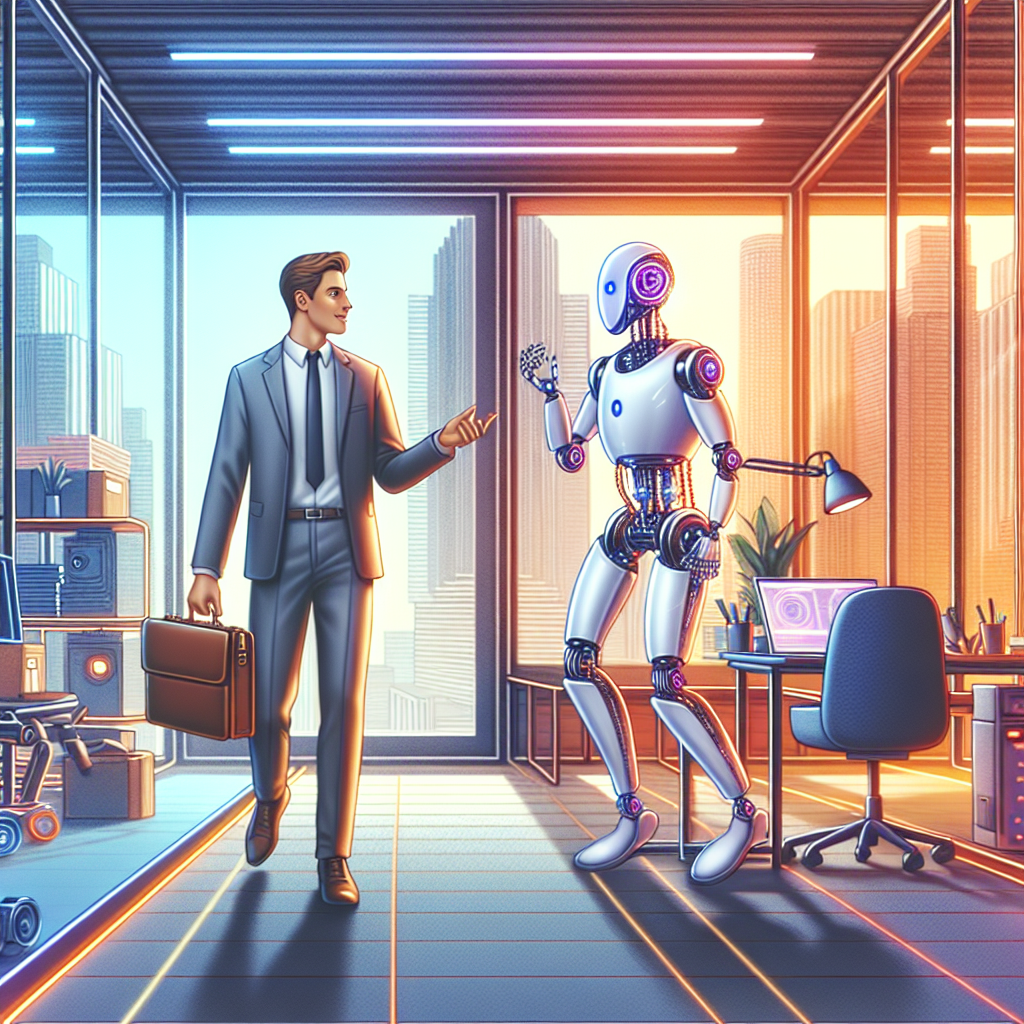
WorkHand’s strategy involves the deployment of robotic hands that simulate human touch, allowing developers to feel the code as they write it. “Finally,” quipped Programmer, “programmers can experience the joy of errors and bugs in a tangible way—who doesn’t want to feel that delightful dread?”
The system is expected to be integrated into existing development environments by late 2027, with beta testing scheduled for early next year. Investors have already expressed enthusiasm, with venture capitalist Bill Cashflow remarking, “This is a game-changer. If we can prevent burnout, we can increase productivity without the need for actual human interaction—what’s not to love?”
The Market Context
The investment comes at a time when the global employee wellness technology market is projected to reach $100 billion by 2026, driven by increasing awareness of mental health issues in the workplace. Companies across various sectors have begun to recognize that a healthy employee is a productive employee, leading to a surge in funding for wellness initiatives.
- 76% of developers report burnout
- Global employee wellness market: $100 billion by 2026
- Investment in employee wellness tech surging at 30% annually
The Risks and Rewards
However, not everyone is convinced of the efficacy of robotic hands in combating burnout. Industry analyst Amy Sceptic warns, “Investing hundreds of millions in a robotic hand solution risks oversimplifying the issue. Burnout is about more than just the tactile experience; it’s entrenched in workplace culture.”
Moreover, human workers might find themselves overshadowed by their robotic counterparts. “What happens when the robotic hands start demanding coffee breaks?” joked Programmer. Alluding to fears that robots might soon overshadow human interaction, she assured stakeholders that employees would never be fully replaced—at least until the next funding round.
Opposing Viewpoints
Critics have raised concerns that the project could divert attention from more holistic approaches to employee wellness, such as flexible work hours and mental health days. “A robotic hand isn’t a replacement for genuine empathy,” stated wellness advocate, Dr. Mindy Care. “You can’t code compassion into a machine.”
While WorkHand’s endeavor is undoubtedly ambitious, some view the initiative as a high-tech distraction from the pressing need for systemic change in corporate culture. “Robots can’t solve the problem of overwork,” added Care, “They can only help you feel the strain more acutely.”
Conclusion: A Future of Touch?
As WorkHand prepares for its beta launch, the startup invites both skepticism and hope. Will robotic hands usher in a new age of tech-savvy wellness, or are they simply an elaborate distraction from the real issues at play? For now, one thing is clear: the future of work may one day be in our hands—or at least, in our robotic hands.
What's Your Reaction?
 Like
0
Like
0
 Dislike
0
Dislike
0
 Love
0
Love
0
 Funny
0
Funny
0
 Angry
0
Angry
0
 Sad
0
Sad
0
 Wow
0
Wow
0