




Startup Revolutionizes Study Habits with Autonomous Robot Labs—For a Whopping $500 Million
By StartupKorea Business Desk | Apr 11, 2026 Welcome to the Future: Your Study Routine Just Went AutonomousIn a move that will make your high school guidance counselor weep, the newly launched startup, EduBotics, has announced a staggering...

By StartupKorea Business Desk | Apr 11, 2026
Welcome to the Future: Your Study Routine Just Went Autonomous
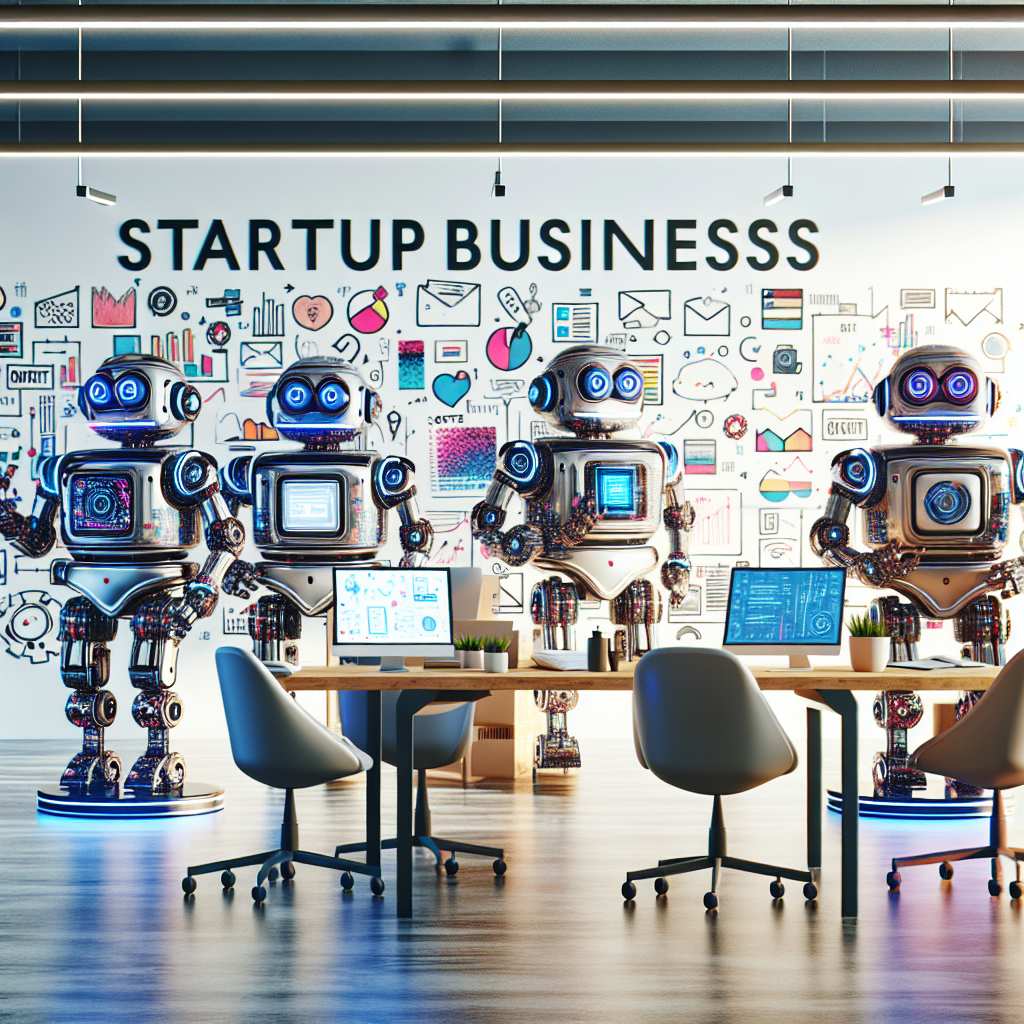
In a move that will make your high school guidance counselor weep, the newly launched startup, EduBotics, has announced a staggering Series A funding round of 500 billion won ($455 million) to roll out its latest innovation: an autonomous laboratory robot designed to automate study routines. With a technology that promises to eliminate the need for tedious human effort—like actually reading a textbook—EduBotics aims to revolutionize education as we know it.
It's Not Just Automation; It's a Movement
“We’re not just creating a product; we’re creating a mindset,” said CEO Jane Doe, who, undeterred by the skepticism surrounding her startup, insists that the future of learning lies in the hands of robots. “Imagine a world where students no longer have to study but can simply download knowledge directly to their brains. We’re that close.”
The Numbers Speak—Or Do They?
The global education technology market is projected to reach $404 billion by 2025, according to industry analysts. With an increasing demand for innovative and efficient learning solutions, EduBotics is looking to capture a significant share of this lucrative pie—one robotic arm at a time. But will students really prefer to be taught by metal over mentors?
- Series A funding: 500 billion won ($455 million)
- Projected global edtech market size: $404 billion by 2025
- Market share target: 10% by 2027
Risks on the Horizon
Of course, not all investors are throwing money into the robotic study routine bonanza. Analyst John Smith expressed his doubts: “The idea that students will forego traditional methods for robotic tutors is as questionable as the market for self-tying shoelaces. There’s a significant risk that this is just another shiny tech gadget.”
Moreover, with the increasing reliance on technology in education, there’s concern about the long-term effects on students’ cognitive development. Critics argue that substituting traditional study methods for automated processes could hinder critical thinking skills—a trend that seems to be growing more alarming by the day.
Education Meets Automation: A Match Made in Somewhere?
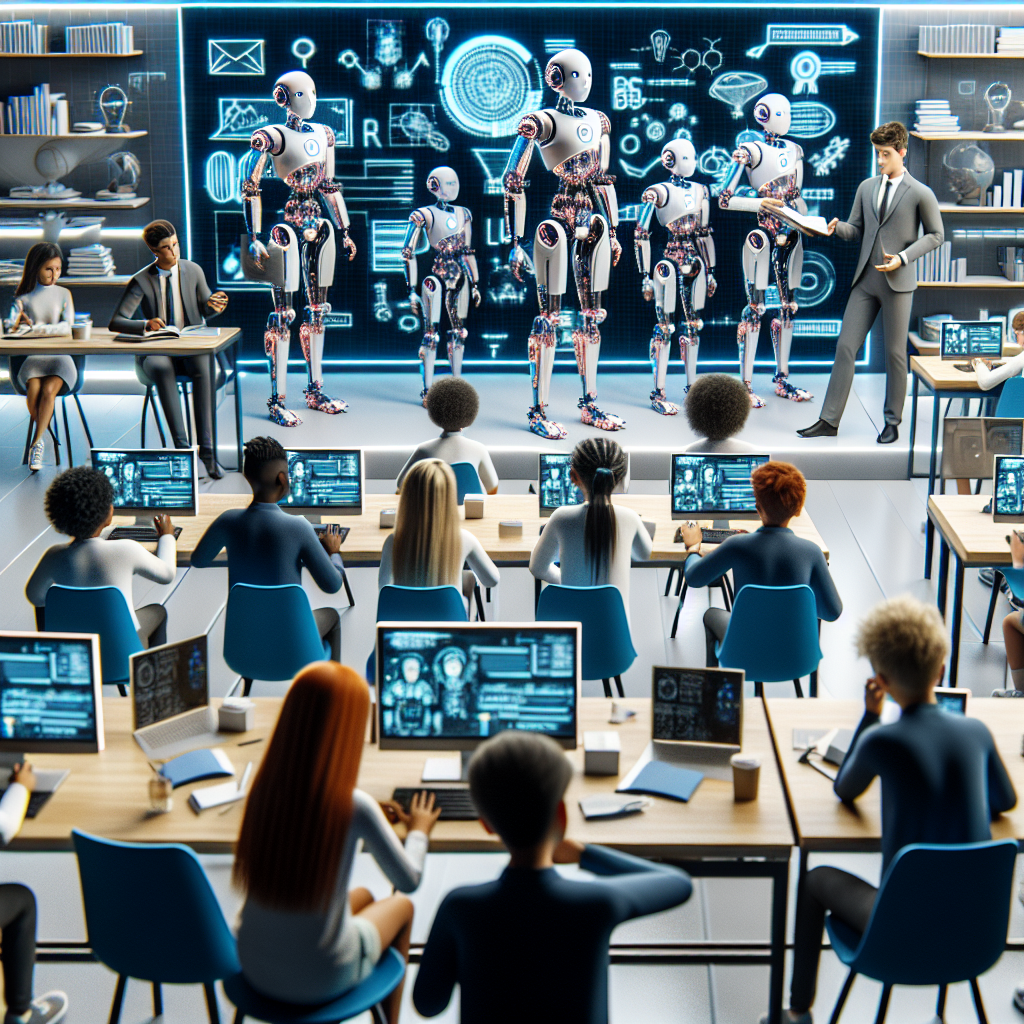
EduBotics plans to deploy its robots in schools, libraries, and even coffee shops, believing that regardless of the environment, students will gravitate toward the allure of a soulless, metal teacher. “It’s only a matter of time before we see robots grading papers,” quipped one anonymous investor, “and then they’ll start negotiating for better working conditions.”
The Automation Paradox: Reshaping Learning or Just More Distraction?
While study routine automation might sound appealing, it raises questions about the value of human interaction in learning environments. Who is to say that a robot can inspire creativity as effectively as a charismatic teacher? EduBotics seems to think that their autonomous lab bots will strike that perfect balance between efficiency and engagement, but industry experts remain skeptical.
As EduBotics gears up for a full-scale rollout, the market awaits with bated breath—or perhaps it’s a yawn. Only time will tell if this ambitious endeavor results in a technological triumph or just another brief fad in the ever-volatile world of education.
The Final Word
In summary, EduBotics has set the stage for an intriguing blend of education and automation, but whether it will succeed in replacing traditional study methods remains to be seen. For now, students can look forward to trading in their highlighters for a robot assistant that may or may not understand the nuances of Shakespeare’s prose.
What's Your Reaction?
 Like
0
Like
0
 Dislike
0
Dislike
0
 Love
0
Love
0
 Funny
0
Funny
0
 Angry
0
Angry
0
 Sad
0
Sad
0
 Wow
0
Wow
0