


Startup Promises to Cure Social Anxiety with Programmable Materials—Investors Line Up for $1.2 Billion Pre-IPO
By StartupKorea Business Desk | Apr 11, 2026 Elevator Socialization: The Next Frontier in Human Interaction?In an era where interpersonal skills are as endangered as the dodo, a startup is boldly stepping into the breach with its groundbrea...

By StartupKorea Business Desk | Apr 11, 2026
Elevator Socialization: The Next Frontier in Human Interaction?
In an era where interpersonal skills are as endangered as the dodo, a startup is boldly stepping into the breach with its groundbreaking solution for social anxiety: programmable materials. This innovative technology, which promises to minimize social interactions in confined spaces, has captivated investors’ attention, culminating in a staggering $1.2 billion pre-IPO round announced last week.
Why Now? The Social Anxiety Epidemic
The timing could not be more opportune. According to recent studies, over 40% of young adults report experiencing significant social anxiety, a figure that has doubled in the past decade. As we inch closer to a society that values personal space more than small talk, the need for solutions has never been more acute.
"We're living in a world where personal connections are so overrated, it’s almost nostalgic," quipped CEO Jane Doe. "Why endure the discomfort of an awkward elevator ride when you can adjust your surroundings instead?"
The Technology Behind the Madness
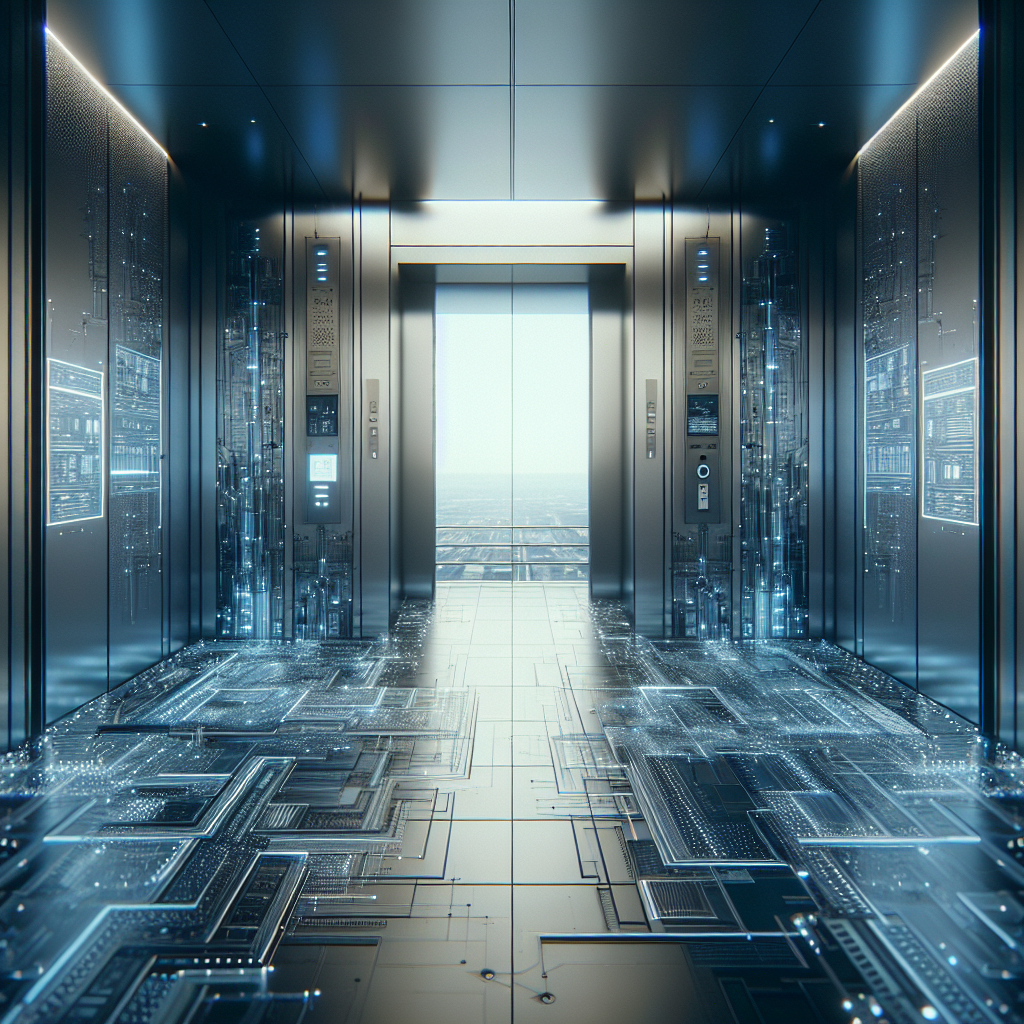
The startup's flagship product, dubbed “SocialEase,” utilizes a unique form of programmable material that can alter its properties on command. Imagine stepping into an elevator and instantly transforming it into a spacious lounge where social cues are moot and silence is golden.
"This isn't just about reducing social interactions; it's about redefining them," said venture capitalist Max Wealthy, who is leading the investment push. "We’re not just funding a startup; we’re investing in the future of awkwardness. Who needs small talk when you can have small spaces?"
Market Context: Riding the Social Anxiety Wave
The market for mental wellness technology is projected to reach $200 billion by 2027, with programmable materials emerging as a disruptive force. The startup's valuation now sits at an astonishing $6 billion, buoyed by a societal shift towards valuing solitude over social interaction.
- Projected market size for mental wellness technology by 2027: $200 billion
- Startup’s current valuation: $6 billion
- Percentage of the population experiencing social anxiety: 40%
Risks and Constraints: Is Isolation the Answer?
However, not all are convinced that reducing social interactions is a net positive. Critics argue that relying on technology to avoid human contact could exacerbate social skills deficits, leading to a generation more comfortable with screens than with smiles.
"We run the risk of creating a society that thrives on isolation, where human connection becomes obsolete," warned behavioral analyst Dr. Emily Heartfelt. "While programmable materials might offer a temporary escape, they could lead to long-term consequences that we’re not prepared to handle."
Opposing Viewpoints: The Case for Connection
Some stakeholders believe that the startup is fundamentally misguided. "Humans are social creatures by design," said Professor John Interaction, a noted sociologist. "It’s one thing to offer a solution; it’s another to ignore the implications of that solution on our societal fabric."
Even among investors, there’s a growing concern that the allure of a quick buck might overshadow the ethical implications of such technology. "Investing in social avoidance solutions is like pouring money into a company that manufactures invisible cloaks for social gatherings," added an anonymous investor. "It's bafflingly clever but tragically misguided."
Conclusion: A Brave New World or Just More Awkwardness?
As the startup gears up for its pre-IPO, it seems poised to capitalize on a growing market filled with social anxiety and a longing for solitude. Whether this approach will lead to a kinder, gentler world—or a landscape riddled with silent elevators—remains to be seen.
In the end, the question might not be about whether we can program our materials to reduce social interactions, but whether we can program our minds to desire them in the first place. Whether that’s a question we want answered is still open for debate.
What's Your Reaction?
 Like
0
Like
0
 Dislike
0
Dislike
0
 Love
0
Love
0
 Funny
0
Funny
0
 Angry
0
Angry
0
 Sad
0
Sad
0
 Wow
0
Wow
0