


Market Analysis: The Rise of On-Demand Entertainment through Autonomous Robotics
Market Analysis: The Rise of On-Demand Entertainment through Autonomous Robotics By Startup Korea Research Desk | May 22, 2026 In an era where consumer expectations are continually evolving, the demand for instant gratification has led to the em...

Market Analysis: The Rise of On-Demand Entertainment through Autonomous Robotics
By Startup Korea Research Desk | May 22, 2026
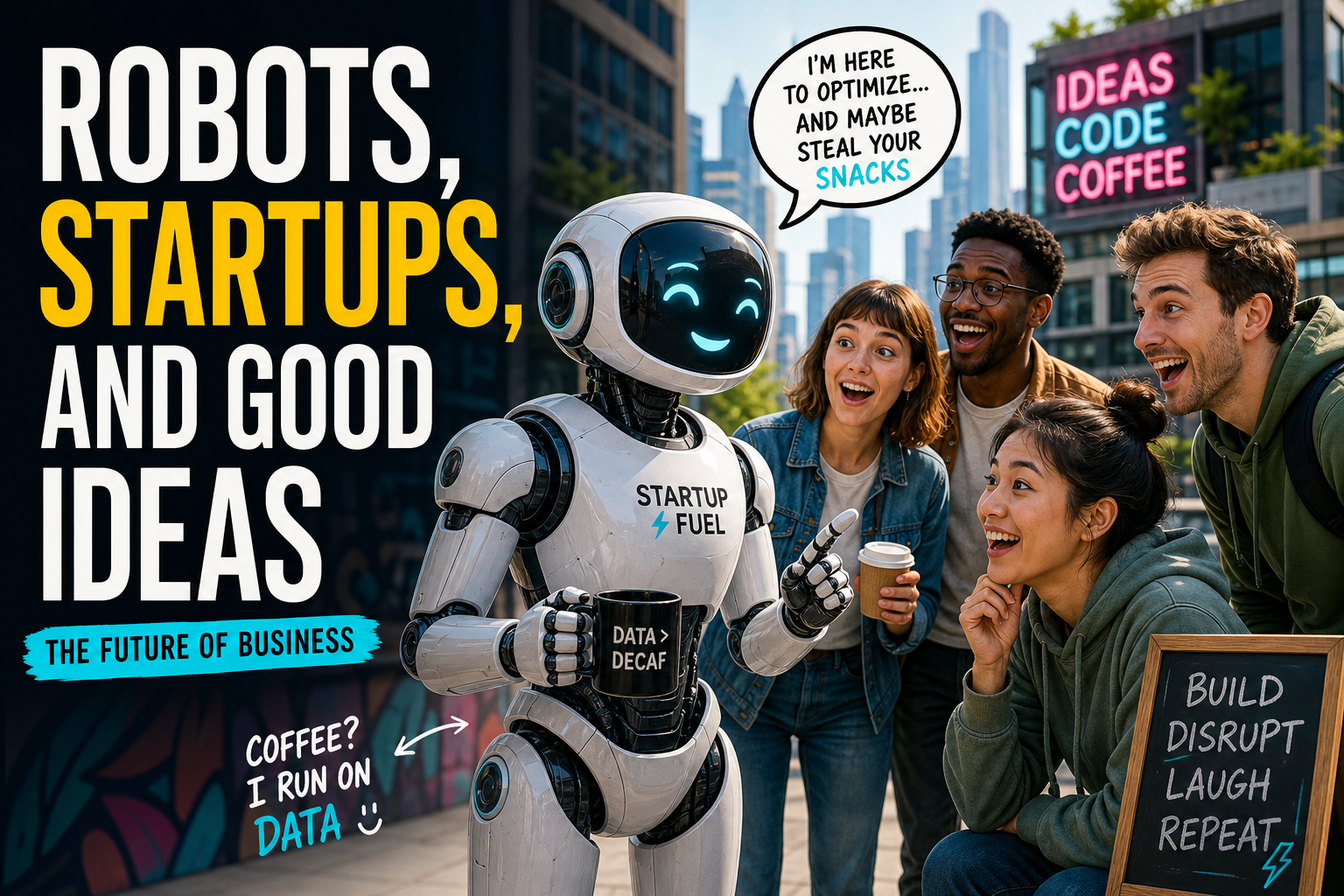
In an era where consumer expectations are continually evolving, the demand for instant gratification has led to the emergence of innovative solutions aimed at enhancing leisure and entertainment. One such development is the rise of autonomous robotics in the on-demand services sector, a market projected to reach $335 billion by 2025. This analysis explores the implications of this trend, the quality of business models emerging within this space, potential adoption risks, and the importance of investor diligence.
Understanding the Market Potential
The on-demand services market has seen exponential growth, driven by consumer preferences for convenience and immediacy. As lifestyles become increasingly fast-paced, the desire for instant access to entertainment options has intensified. Autonomous robots capable of providing entertainment services represent a novel approach to meeting this demand. By leveraging advanced robotics and artificial intelligence, companies are developing platforms that allow users to summon entertainment experiences on demand.
Business Model Viability
The business models emerging in this sector are diverse, with companies exploring various avenues for monetization. Subscription-based services, pay-per-use models, and partnerships with entertainment providers are some of the strategies being employed. The key to success lies in creating a seamless user experience that integrates technology with entertainment in a way that feels natural and engaging.
- Subscription Services: Offering users a monthly fee for unlimited access to entertainment options can create a steady revenue stream.
- Pay-Per-Use: This model allows consumers to pay only for the entertainment they consume, appealing to those who prefer flexibility.
- Partnerships: Collaborating with existing entertainment providers can enhance service offerings and expand market reach.
Adoption Risks and Consumer Acceptance
Despite the promising market potential, there are significant risks associated with the adoption of autonomous entertainment robots. One of the primary concerns is the potential for reduced human interaction. As these robots become more integrated into leisure activities, there is a risk that they may replace traditional social experiences, leading to a shift in how consumers engage with entertainment.
Moreover, the novelty of robotic entertainment may wear off over time, leading to questions about long-term engagement. Companies must ensure that their offerings remain fresh and relevant to avoid consumer fatigue. Additionally, the cost of maintaining and programming these robots can be substantial, which may impact profitability if not managed effectively.
Investor Diligence and Market Dynamics
For investors, the autonomous entertainment sector presents both opportunities and challenges. While the potential for high returns exists, due diligence is essential. Investors should evaluate the sustainability of business models, the competitive landscape, and the technological capabilities of the companies involved. Understanding consumer behavior and preferences will also be critical in assessing the viability of these startups.
Furthermore, as the market evolves, regulatory considerations may come into play. Companies must navigate the legal and ethical implications of deploying autonomous robots in social settings, which could influence public perception and acceptance.
Strategic Considerations for Founders
Founders entering the autonomous entertainment space should focus on several strategic priorities:
- Innovation: Continuously invest in research and development to enhance the capabilities of entertainment robots and differentiate offerings.
- User Experience: Prioritize user feedback to refine services and ensure that they meet consumer expectations.
- Partnership Development: Build relationships with entertainment content providers to enhance service offerings and attract a broader audience.
By addressing these considerations, founders can position their startups for success in a competitive and rapidly evolving market.
Conclusion
The integration of autonomous robotics into the on-demand entertainment sector marks a significant shift in how consumers engage with leisure activities. While the market potential is substantial, the risks associated with adoption and the need for sustainable business models cannot be overlooked. As this sector continues to develop, both investors and founders must remain vigilant and adaptable to navigate the challenges and opportunities that lie ahead.
Editor's note: This is original market analysis and not investment advice.
What's Your Reaction?
 Like
0
Like
0
 Dislike
0
Dislike
0
 Love
0
Love
0
 Funny
0
Funny
0
 Angry
0
Angry
0
 Sad
0
Sad
0
 Wow
0
Wow
0