




From Space Junk to Cash Cow: How Upcycled Cosmic Trash is Reshaping Investment Strategies
By StartupKorea Business Desk | Jun 02, 2026 Out of This World: The Next Frontier in Upcycled CommerceIn a surprising twist of fate, a startup focused on upcycling space debris has landed a staggering $50 million investment from a consortiu...

By StartupKorea Business Desk | Jun 02, 2026
Out of This World: The Next Frontier in Upcycled Commerce
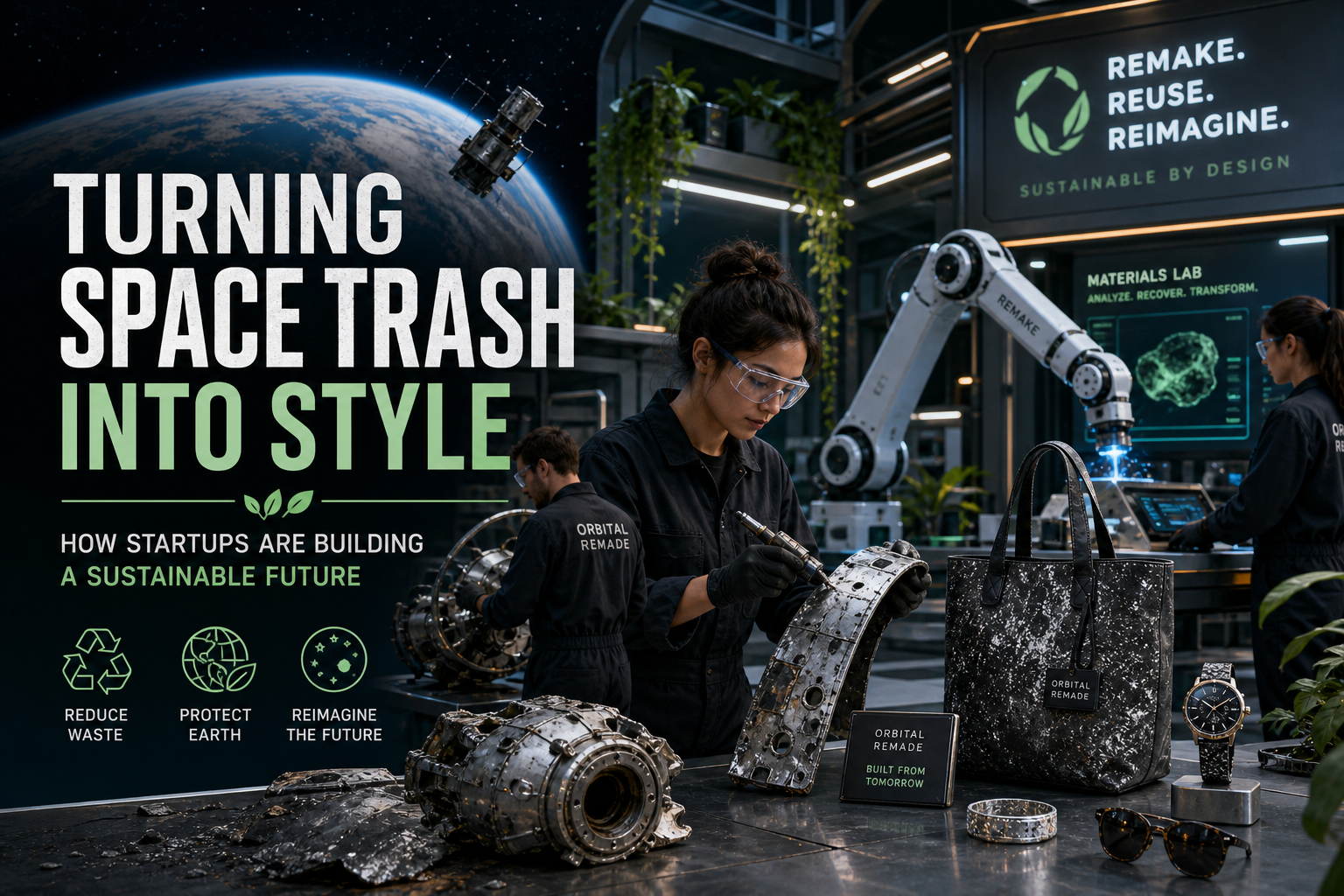
In a surprising twist of fate, a startup focused on upcycling space debris has landed a staggering $50 million investment from a consortium of corporate venture capitalists. The new venture, dubbed Galactic Greens, aims to turn the universe's trash into tomorrow's treasure, cashing in on both environmental concerns and the burgeoning market for sustainable products. With more than 100 million pieces of debris orbiting Earth, the startup promises that 'one person's trash is another person's eco-friendly handbag.'
What’s All the Buzz About?
Galactic Greens is not just riding the coattails of the sustainable fashion wave; it’s also creating an innovative marketplace for space debris-derived products. CEO Elara Comet, known for her avant-garde visions, proclaimed, "Why let satellites and spent rocket stages go to waste when they can be reimagined as luxury items?" The company’s offerings range from jewelry made from recycled satellite metals to furniture crafted from old spacecraft components. The ambition is as limitless as the cosmos—if they can dodge the space debris themselves.
The Investment Landscape
In a market that is increasingly interested in sustainability, the venture capital floodgates have opened. According to recent reports, investments in green tech have surged by 35% this past year alone, indicating a growing appetite for companies that marry profit with purpose. Galactic Greens’ hefty $50 million investment is emblematic of this trend, showcasing the financial community's willingness to gamble on the quirky and the bizarre.
Voice Cloning: A Hidden Tech Advantage?
As if turning space junk into chic accessories wasn’t enough, Galactic Greens has also integrated voice cloning technology into its business model, a move that left many industry analysts scratching their heads. The startup claims that this technology will enhance security measures in transactions and improve customer engagement. “We believe in having a personal touch, even if that touch comes from a computer-generated voice,” Comet explained, clearly unfazed by the absurdity.
Market Context: The Numbers Speak
According to the Space Debris Mitigation Guidelines, over 80% of space debris is due to human activity, raising ethical questions that Galactic Greens is cleverly sidestepping. The market for eco-friendly products is projected to reach $150 billion by 2027, making the timing seem serendipitous for entrepreneurs with a flair for the dramatic.
- Investment Surge: 35% increase in green tech funding
- Projected eco-friendly market value: $150 billion by 2027
- Space debris: Over 100 million pieces orbiting Earth
Risks and Constraints
However, not all that glitters is gold—or in this case, recycled aluminum. Critics argue that the upcycling of space debris might not be as feasible as it sounds. Dr. Orion M. Space, a leading expert in space law, stated, “While the idea of upcycling is commendable, the logistics of retrieving and processing space debris present significant challenges. It's not just about environmentally friendly products but also about legal and safety concerns.”
The Opposition: A Galactic Dilemma
Moreover, some venture capitalists remain skeptical. “Investing in space debris upcycling feels a bit like putting money into a perpetual motion machine,” offered one anonymous investor. “It sounds great, but where's the proven business model?” The question lingers ominously, much like the debris that orbits Earth, defying gravity and common sense alike.
Conclusion: Cosmic Opportunism or Stellar Madness?
As Galactic Greens prepares to launch its first product line next quarter, the business world waits with bated breath. Is this the future of sustainable commerce, or is it merely a clever marketing ploy wrapped in a shiny, space-age bow? As we contemplate the fate of our planet and the cosmos, one thing is abundantly clear: in the age of absurdity, even the stars are not off-limits for entrepreneurial escapades.
What's Your Reaction?
 Like
0
Like
0
 Dislike
0
Dislike
0
 Love
0
Love
0
 Funny
0
Funny
0
 Angry
0
Angry
0
 Sad
0
Sad
0
 Wow
0
Wow
0