



Dining in the Future: How a SaaS Startup and AI Battery Tech Are Reshaping the Restaurant Landscape—For Better or Worse
By StartupKorea Business Desk | May 01, 2026 Gourmet Bytes and Electric Delights: The Business of Food and Tech ConvergesOn May 1, 2026, the culinary world is set to be shaken to its core as a bold startup, SensoryBite, announces its ground...

By StartupKorea Business Desk | May 01, 2026
Gourmet Bytes and Electric Delights: The Business of Food and Tech Converges
On May 1, 2026, the culinary world is set to be shaken to its core as a bold startup, SensoryBite, announces its groundbreaking SaaS platform designed to revolutionize the dining experience through multi-sensory engagement. Coupled with this culinary innovation is the parallel advancement in AI-driven diagnostics for solid-state batteries, promising to power everything from delivery drones to your favorite artisanal avocado toast. SensoryBite has secured a staggering 1,200 billion KRW (approximately $1 billion) in pre-IPO funding, signaling investor confidence in a future where taste and technology collide—albeit in ways that may be more entertaining than edible.
Where Gourmet Meets Gimmick
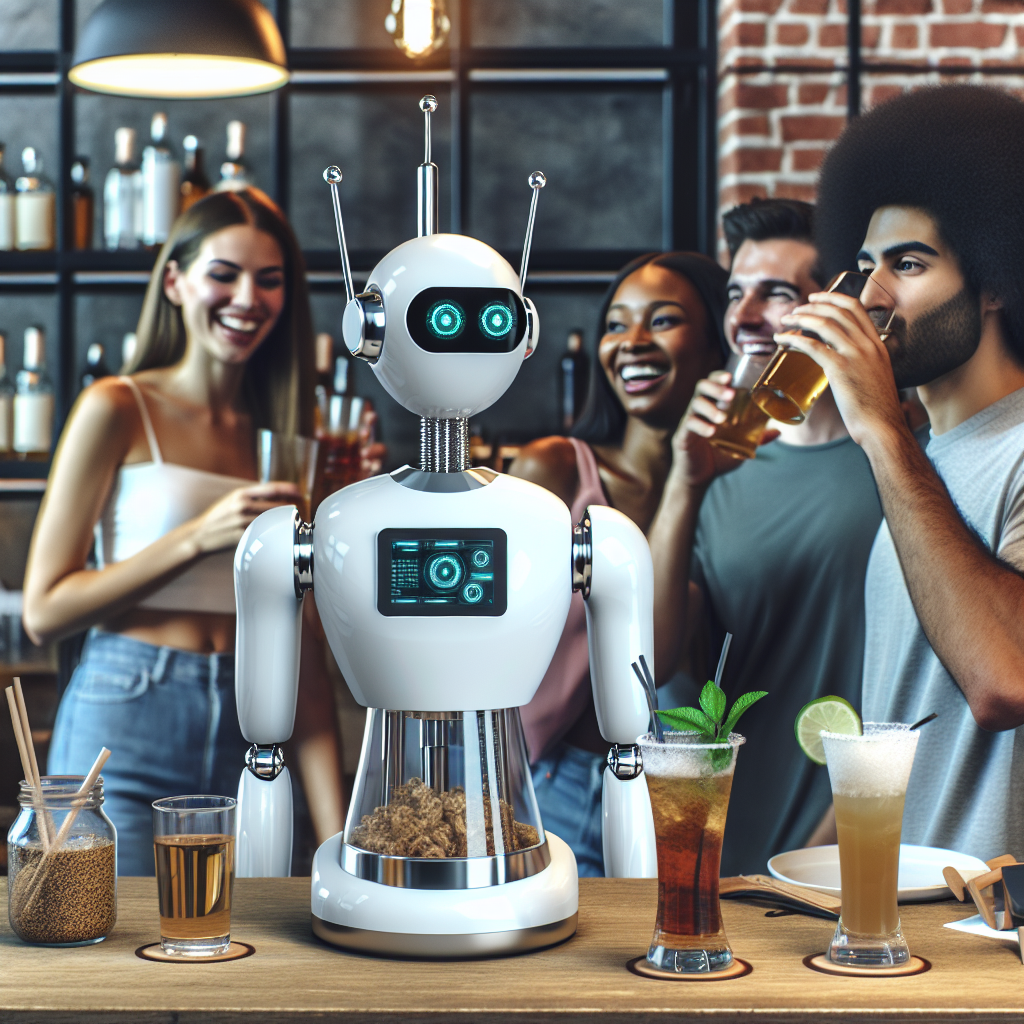
SensoryBite, led by the whimsically optimistic CEO, Delia S. Fry, claims that its software will enhance the dining experience by integrating olfactory, visual, and tactile feedback directly into the restaurant’s digital interface. “Imagine a world where your meal not only tantalizes your taste buds but also caresses your sense of smell and sight—who wouldn’t pay for that?” Fry exclaimed, seemingly unaware that culinary purists might prefer their food without a side of sensory overload.
According to industry analysts, the market for food tech is projected to reach $15 billion by 2028, a figure that could quickly spiral upwards in the hands of enterprising startups. However, with so many players vying for a slice of the pie, the question remains: is SensoryBite’s fusion of SaaS and gastronomy more than just a well-packaged gimmick?
The Perils of Palate Technology
Despite the promise of innovation, experts warn of the potential pitfalls associated with such ambitious culinary technology. Barry Soulman, a seasoned investor with a penchant for startups that toe the line between genius and absurdity, remarks, “While I appreciate the artistry of a well-prepared dish, I’m not sure that an algorithm can replicate the soul of a chef.”
Critics argue that SensoryBite’s reliance on technology could detract from the authenticity of dining experiences. “There’s only so much you can sprinkle on top of a dish before it becomes an inedible masterpiece,” notes Francesca Gusto, a food critic and self-proclaimed purist. “I fear this could lead to a new era of pretentious dining, where the experience is more about the app than the appetizer.”
A Shocking Charge in Battery Technology
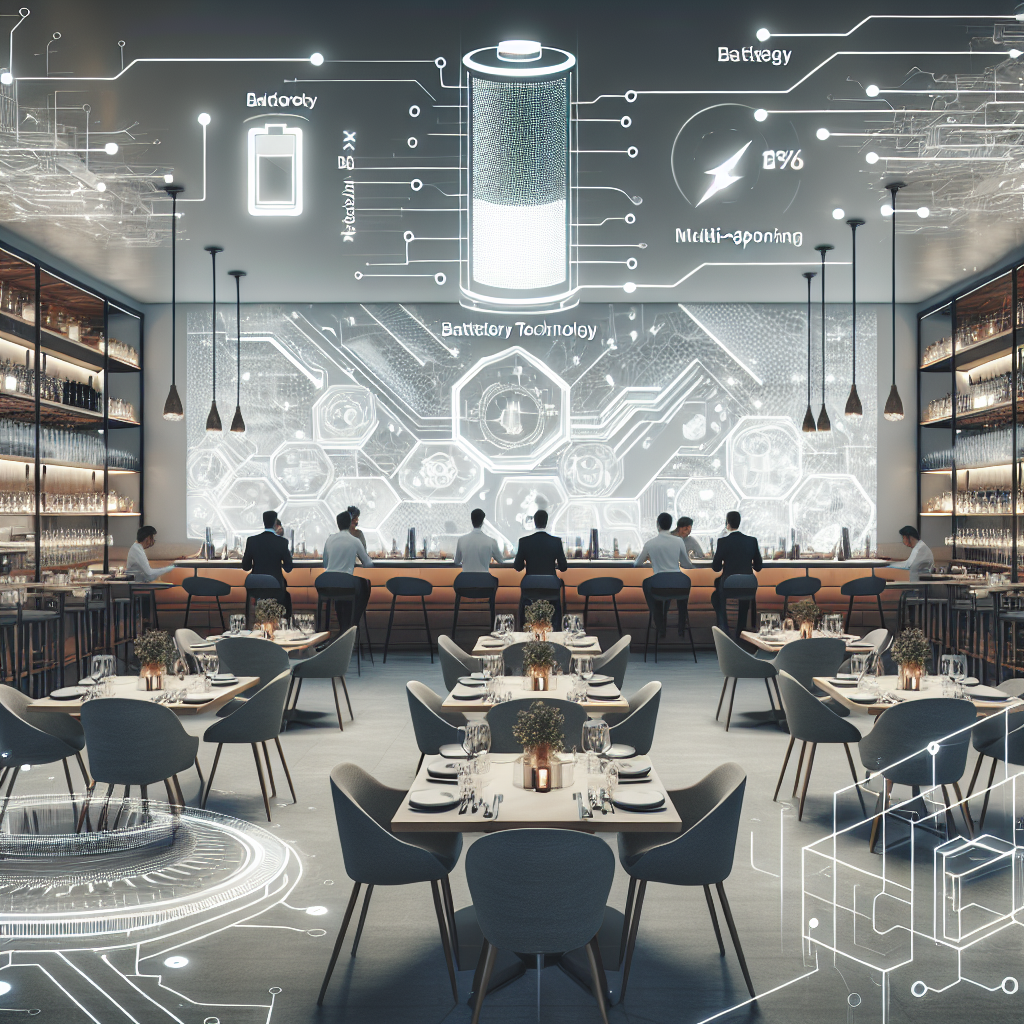
Meanwhile, in a parallel universe of electrical engineering, advancements in AI-driven diagnostics for solid-state batteries are expected to streamline operations for food delivery services, possibly even optimizing routes based on customer dining preferences. Investors are buzzing about the implications of this technology, with many suggesting that future food deliveries could be made with drones powered by AI-monitored batteries. “We’re living in a sci-fi novel,” quips industry analyst, Alan Hu. “It’s time to embrace your future overlords, or at least your future delivery drones.”
However, the prognosis for solid-state battery technology isn’t all fried ice cream and unicorns. The market faces significant challenges, including high production costs and the ongoing quest for effective recycling solutions. “Solid-state batteries offer incredible potential, but we’re still stuck figuring out how to make them affordable and eco-friendly,” warns energy analyst, Rebecca Watts.
The Investment Equation: Too Good to Be True?
SensoryBite’s hefty pre-IPO valuation raises eyebrows and questions about whether this investment is a visionary leap or simply a mirage shimmering in the desert of overhyped tech. With the food tech sector already flooded with similar ideas, some investors are adopting a wait-and-see approach. “We need to see real-world applications before we bet the farm on sensory experiences,” advises veteran investor, Paul Realman. “After all, no one wants to be the last to invest in a restaurant that serves Wi-Fi as a main course.”
- Current valuation of food tech market: $15 billion (projected by 2028)
- Pre-IPO funding for SensoryBite: 1,200 billion KRW ($1 billion)
- Projected growth in AI battery diagnostics market: 25% CAGR by 2025
As SensoryBite gears up for its IPO, its fate—much like the taste of a dish garnished with a molecular foam—remains uncertain. Will consumers embrace a dining experience dictated by algorithms, or will they cling to the artisanal roots of culinary tradition? Only time will tell if we are indeed on the brink of a gastronomic renaissance or just another tech-fueled mirage in the desert of our dinner plates.
What's Your Reaction?
 Like
0
Like
0
 Dislike
0
Dislike
0
 Love
0
Love
0
 Funny
0
Funny
0
 Angry
0
Angry
0
 Sad
0
Sad
0
 Wow
0
Wow
0