
Analyzing the Market Potential of Emotional AI in Fashion Technology
Analyzing the Market Potential of Emotional AI in Fashion Technology By Startup Korea Research Desk | May 22, 2026 The intersection of technology and fashion has given rise to innovative solutions aimed at enhancing consumer experiences. One of...

Analyzing the Market Potential of Emotional AI in Fashion Technology
By Startup Korea Research Desk | May 22, 2026
The intersection of technology and fashion has given rise to innovative solutions aimed at enhancing consumer experiences. One of the latest developments in this space is the emergence of emotional artificial intelligence (AI) tools designed to assist consumers in making clothing choices. This analysis explores the market trends, potential business models, and the associated risks of adopting emotional AI in the fashion industry.
Understanding Closet Decision Paralysis
Closet decision paralysis refers to the phenomenon where consumers feel overwhelmed by the multitude of choices available in their wardrobes. With the average consumer owning a significant number of clothing items, the paradox of choice often leads to frustration and indecision. This psychological barrier presents a unique opportunity for startups to leverage technology to simplify the decision-making process.
The Role of Emotional AI
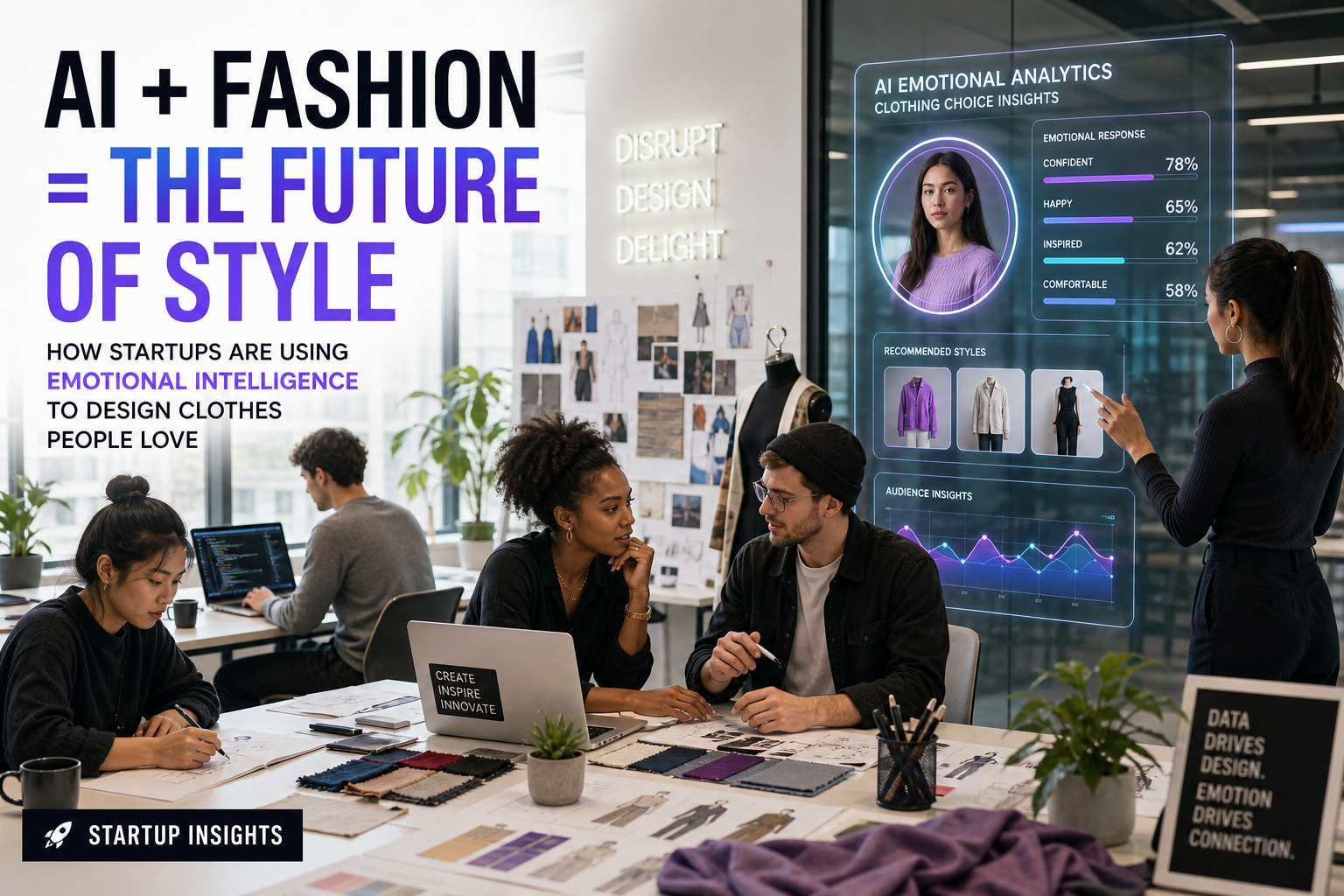
Emotional AI, which encompasses technologies that can recognize and respond to human emotions, is gaining traction across various sectors, including fashion. By integrating emotional intelligence into clothing selection, startups can create personalized experiences that resonate with consumers' moods and preferences. This approach not only enhances user engagement but also fosters brand loyalty.
Market Trends and Growth Potential
The fashion technology sector is poised for significant growth, with projections estimating the market could reach $15 billion by 2030. Emotional AI is expected to capture a substantial share of this market, potentially accounting for 35% of the overall fashion tech landscape. As consumers increasingly seek personalized shopping experiences, the demand for emotional AI solutions is likely to rise, presenting a fertile ground for startups in this niche.
Investor Interest and Funding Landscape
The potential of emotional AI in fashion has attracted the attention of venture capitalists and investors. Funding for startups in this domain is indicative of a growing belief in the viability of emotional AI as a transformative tool. Investors are keen to support ventures that promise to redefine consumer interactions with fashion, particularly those that can demonstrate a clear understanding of market needs and consumer behavior.
Evaluating Business Models
Startups entering the emotional AI space must carefully consider their business models. A successful model should not only focus on technology but also on creating value for consumers. Subscription-based services, personalized styling consultations, and partnerships with fashion retailers are potential avenues for monetization. However, it is crucial for these companies to ensure that their offerings are sustainable and can adapt to changing consumer preferences.
Challenges and Adoption Risks
While the prospects for emotional AI in fashion are promising, several challenges and risks must be addressed. One primary concern is the sustainability of a business model that relies heavily on emotional dependency. Consumers may be wary of placing their trust in AI systems to make personal decisions, particularly in a domain as subjective as fashion.
Moreover, the effectiveness of emotional AI hinges on its ability to accurately interpret emotions and preferences. Misinterpretations could lead to unsatisfactory recommendations, potentially damaging consumer trust and brand reputation. Startups must invest in robust algorithms and user feedback mechanisms to refine their offerings continually.
Strategic Considerations for Founders
For founders looking to navigate this emerging market, a clear strategy is essential. This includes understanding the target audience, developing a strong value proposition, and establishing partnerships with fashion brands to enhance credibility. Additionally, ongoing research into consumer behavior and emotional responses will be vital for refining AI algorithms and improving user experiences.
Conclusion
The integration of emotional AI into the fashion industry represents a significant opportunity for innovation and growth. As consumer preferences evolve, startups that can effectively harness emotional intelligence to enhance the shopping experience are well-positioned for success. However, it is imperative for these companies to remain vigilant about the challenges and risks associated with this technology.
Editor's note: This analysis is original market research and does not constitute investment advice.
What's Your Reaction?
 Like
0
Like
0
 Dislike
0
Dislike
0
 Love
0
Love
0
 Funny
0
Funny
0
 Angry
0
Angry
0
 Sad
0
Sad
0
 Wow
0
Wow
0