



Your Neighbor's Electricity Bill: The New High-Stakes Casino in Home Energy Trading
By StartupKorea Business Desk | Mar 26, 2026 A New Era of Home Energy TradingIn an audacious pivot towards domestic energy self-sufficiency, thousands of households across the U.S. have begun participating in a burgeoning electricity tradin...

By StartupKorea Business Desk | Mar 26, 2026
A New Era of Home Energy Trading
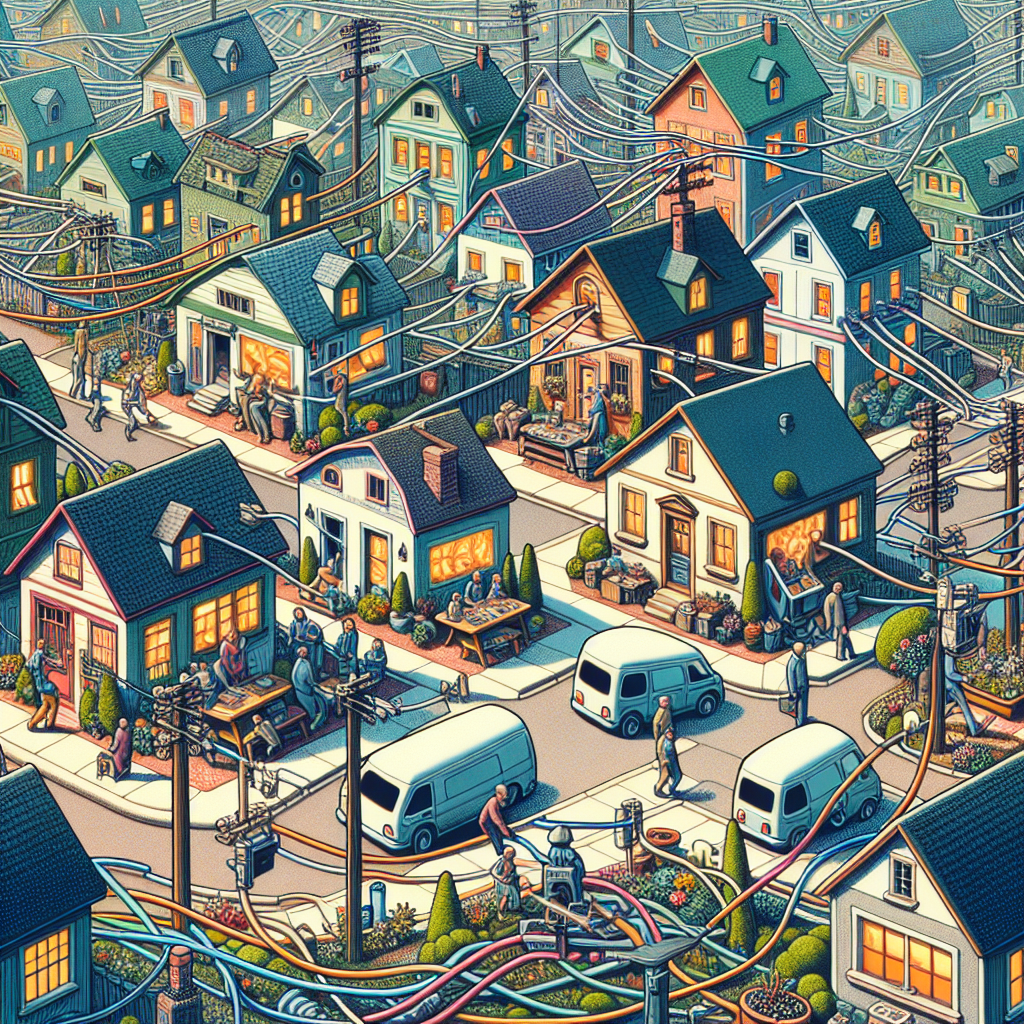
In an audacious pivot towards domestic energy self-sufficiency, thousands of households across the U.S. have begun participating in a burgeoning electricity trading market, sparking both excitement and trepidation among investors, policymakers, and energy regulators.
As of March 2026, a staggering 48% of American households are reportedly engaged in trading excess power generated from their solar panels, grid storage systems, or, for the particularly adventurous, their neighbor’s energy reserves. The market is projected to exceed $50 billion by 2028, driven by rising consumer demand for renewable energy and innovative trading technologies.
Investment Surge Amidst Digital Shenanigans
Fueling this financial frenzy are corporate venture capital deals that have seen a 200% increase in the past year alone. Deepfake technology, once relegated to meme culture and political chaos, is now being harnessed to ensure the authenticity of energy transactions.
“The potential here is tremendous,” stated Bill Everbright, CEO of the startup, PowerPlay, which raised $100 million in a Series B funding round last month. “We’re enabling consumers to cash in on their own electricity—finally an opportunity to monetize what was once just a monthly bill.”
The Curious Case of Deepfake Energy Authentication
Enter the deepfake verification engines designed to prevent unscrupulous homeowners from selling phantom energy. These engines analyze energy usage patterns, ensuring that the kilowatts traded are as real as your neighbor’s questionable online personality.
“We’re essentially using advanced algorithms to ensure that what you see is what you actually get—much like social media, but without the threat of your mother-in-law knowing you bought a new car,” remarked Lisa Vex, a tech analyst at Future Power Ventures.
Market Context and Growing Pains
Despite the promising predictions, challenges abound in this nascent market. With approximately 17 million households already trading electricity, the Federal Energy Regulatory Commission (FERC) has expressed concern over regulatory chaos and potential fraud.
- Projected market size by 2028: $50 billion
- Percentage of households participating: 48%
- Increase in corporate venture capital deals: 200%
Moreover, the volatility of energy prices, compounded by seasonal variations, raises questions about the sustainability of household trading. “One month you’re a solar energy mogul, and the next, you’re merely a participant in a very expensive game of roulette,” warns energy economist Dr. Walter Yates.
Risks and Opposing Viewpoints
Critics argue that the electricity trading model may disproportionately benefit affluent households, leaving lower-income families behind in the energy race.
“It’s another example of the wealthy getting wealthier while the rest of us are left to fend for ourselves under a flickering fluorescent light,” noted community organizer Juanita Fields.
Further complicating matters, the integration of deepfake technology raises ethical concerns about privacy and security. With every transaction potentially scrutinized by AI, one must wonder: will your power trading lead to a power struggle over privacy?
Conclusion: Bright Future or Blackout?
As America embraces this bizarre revolution in home energy trading, one cannot help but marvel at the absurdity of it all. What was once a mundane utility bill has transformed into the newest gambling table—complete with deepfakes and family feuds.
Whether this market will thrive or falter remains to be seen, but one thing is clear: in the wild world of energy trading, the stakes have never been higher. And as your neighbor cashes in on solar savings, one can only hope they don’t start charging admission for the view.
What's Your Reaction?
 Like
0
Like
0
 Dislike
0
Dislike
0
 Love
0
Love
0
 Funny
0
Funny
0
 Angry
0
Angry
0
 Sad
0
Sad
0
 Wow
0
Wow
0