



Virtual Real Estate Agents and Microfactories: The Unlikely Duo Poised to Revolutionize the Property Market
By StartupKorea Business Desk | Feb 17, 2026 The Future of Real Estate: Your Avatar Just Became a RealtorIn a move that could only be described as the intersection of absurdity and progress, the startup V-Estates has announced it will raise...


By StartupKorea Business Desk | Feb 17, 2026
The Future of Real Estate: Your Avatar Just Became a Realtor
In a move that could only be described as the intersection of absurdity and progress, the startup V-Estates has announced it will raise 1.2 trillion won in a pre-IPO funding round this June. This ambitious capital infusion is set to fuel its audacious venture into the realm of virtual human real estate agents powered by a microfactory operating engine. Just when you thought Silicon Valley had exhausted all possible iterations of tech absurdity, V-Estates arrives like a knight in shining algorithmic armor.
Why Now? The Perfect Storm of Innovation and Irrationality
The decision comes at a time when the real estate market is feeling the pinch of a generation reluctant to commit to anything more than a monthly subscription. With homeownership rates among millennials stagnating at 38%, according to recent data from the National Association of Realtors, the need for convenient, virtual interactions has never been more pressing. It appears V-Estates has identified a lucrative niche where avatars—yes, avatars—are positioned to step in where traditional agents have failed, primarily by not being digital.
Voices from the Virtual Frontlines
“We believe this investment could redefine what it means to be a real estate agent,” said CEO Maxine Bitz, whose confidence seems unshakeable despite the inherent ridiculousness of her product. “Who needs a physical presence when you can have a virtual human who looks stunningly similar to Ryan Gosling guide you through a 3D home tour?”
Investors are equally excited, with venture capitalists lining up to throw money at the next big thing. “It’s like investing in the future,” said eager investor Walt D. Moneybags. “I mean, who wouldn’t want to buy a house from a virtual avatar? It’s just like giving your money to a video game character, which is basically the same thing.”
Microfactories: The Secret Sauce
The crux of V-Estates’ strategy lies in its use of a microfactory operating engine, a concept that would make even the most fervent tech enthusiast pause. By deploying small-scale, high-efficiency factories, V-Estates aims to create customizable virtual properties tailored to the whims of its tech-savvy clientele. These microfactories are designed to churn out digital homes like a fast-food joint cranking out burgers—quick, customizable, and slightly unsettling.
The Market Context: A Glaring Paradox
Despite the glaring absurdity of this venture, the potential rewards could be enormous. The global real estate technology market was valued at $3.4 billion in 2022 and is projected to grow at a compound annual growth rate (CAGR) of 12.5% through 2030. If V-Estates can capture even a fraction of that market, it stands to make a fortune—albeit a fortune in virtual real estate that is probably just as tangible as the imaginary friend you had growing up.
Risks and Contrarian Perspectives
Yet, for all its promise, the venture faces significant risks. Critics argue that the notion of relying on virtual human agents is not just absurd but potentially catastrophic. “There’s a reason we have human agents,” states industry analyst Penny Wise. “What happens when your virtual realtor fails to interpret your emotional needs or accidentally shows you a house that exists only in the metaverse? You can’t exactly fire a digital avatar.”
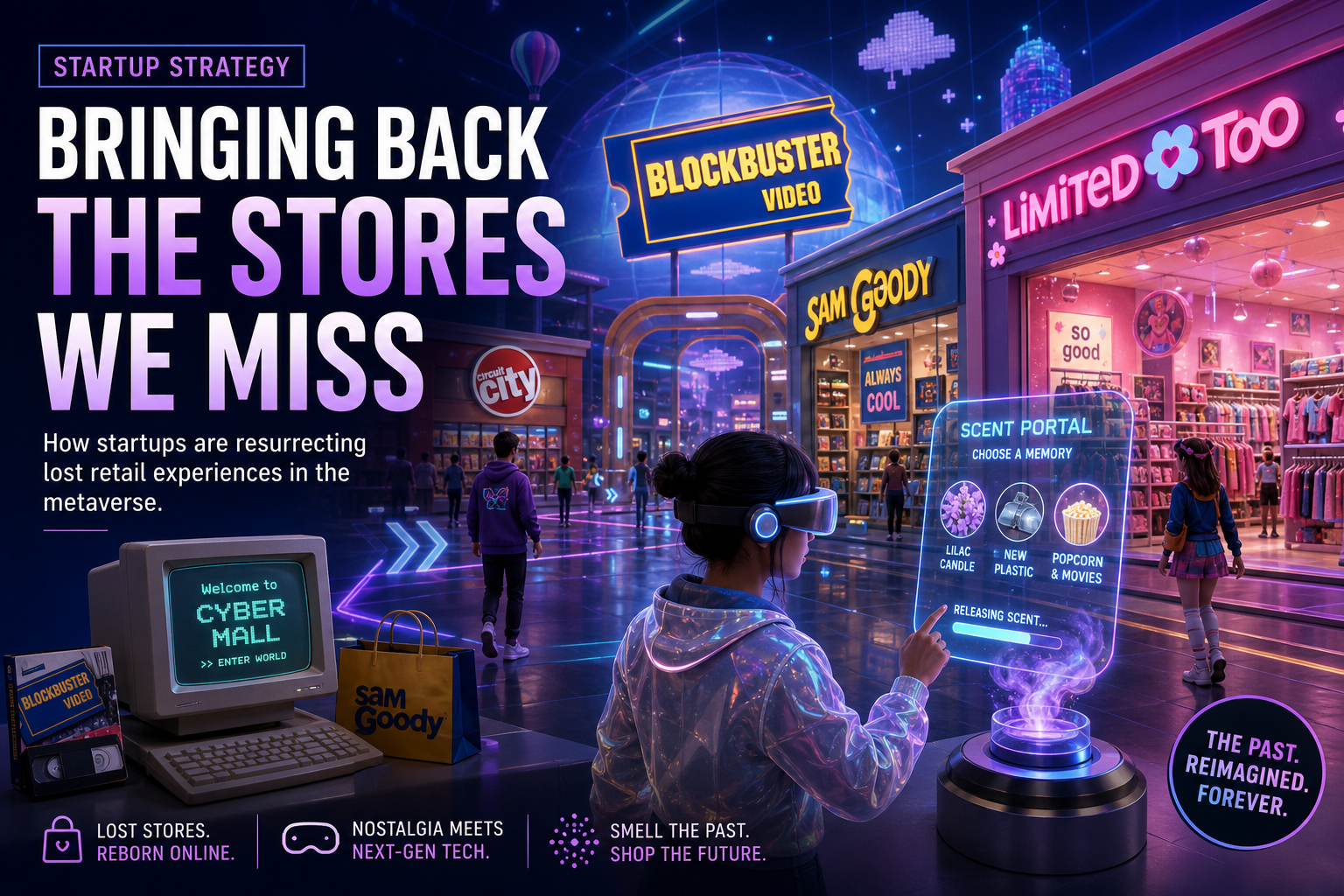
Moreover, as V-Estates prepares for its pre-IPO, analysts are already questioning the sustainability of its business model. With the possibility of avatars becoming as obsolete as Blockbuster video stores, investors might find themselves in a precarious position, wondering if they've just funded an elaborate video game.
The Hypothetical Future of Home Buying
As the countdown to V-Estates' pre-IPO ticks away, one can't help but wonder whether the virtual real estate revolution is truly upon us or merely a well-packaged joke waiting to be revealed. After all, if we can trust a virtual human with our real estate decisions, what’s next? Buying a car from a hologram? Selling stocks to a chatGPT?
V-Estates is betting big on the idea that the future of real estate is a glossy avatar with a penchant for selling houses that may or may not exist. Only time will tell if this will be the groundbreaking success they hope it is, or merely another punchline in the grand narrative of Silicon Valley absurdity.
What's Your Reaction?
 Like
0
Like
0
 Dislike
0
Dislike
0
 Love
0
Love
0
 Funny
0
Funny
0
 Angry
0
Angry
0
 Sad
0
Sad
0
 Wow
0
Wow
0