

Vertical Farming and Augmented Reality: Navigating Investment Opportunities
Vertical Farming and Augmented Reality: Navigating Investment Opportunities By Startup Korea Research Desk | May 03, 2026 As urbanization accelerates and food security becomes a pressing global concern, vertical farming has emerged as a potentia...

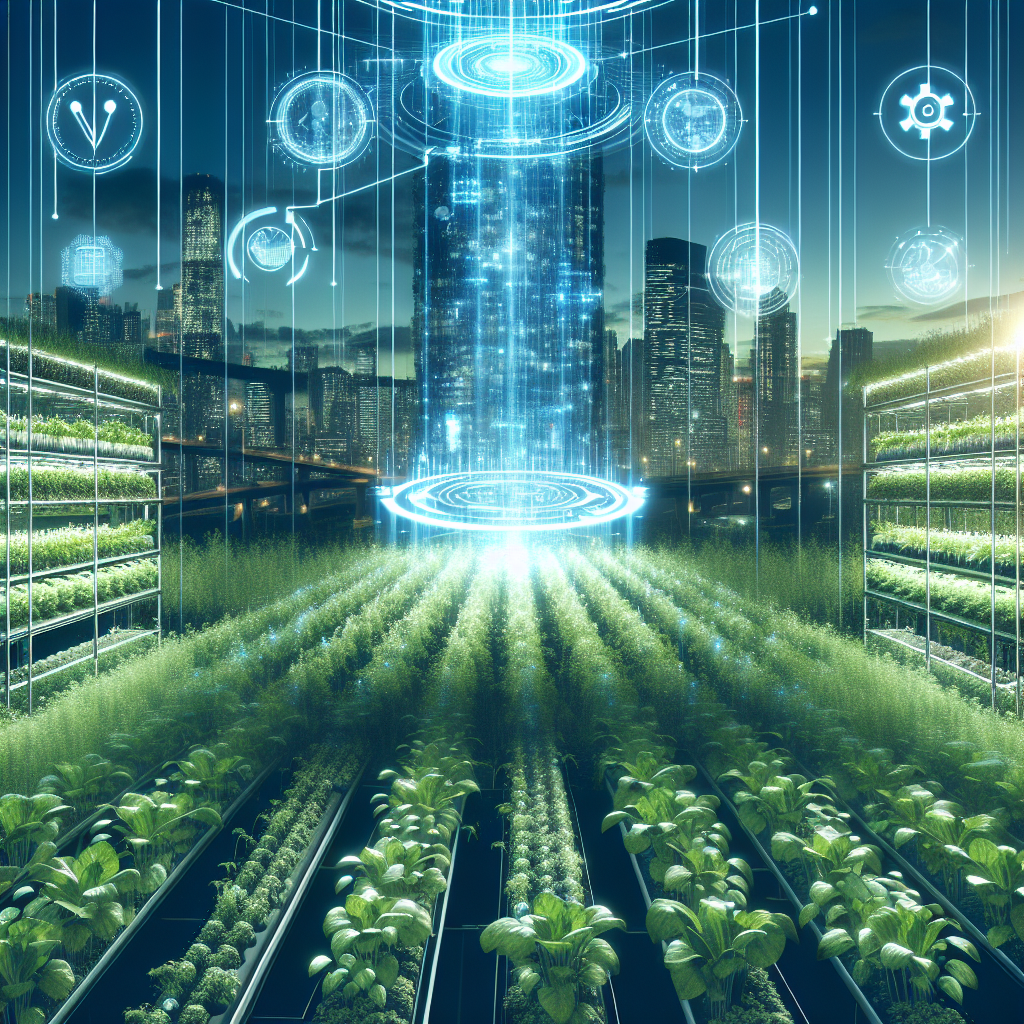
Vertical Farming and Augmented Reality: Navigating Investment Opportunities
By Startup Korea Research Desk | May 03, 2026
As urbanization accelerates and food security becomes a pressing global concern, vertical farming has emerged as a potential solution to these challenges. The integration of advanced technologies, particularly augmented reality (AR), is being explored to enhance the efficiency and accessibility of urban agriculture. This analysis delves into the current landscape of vertical farming, the role of AR, and the implications for investors and entrepreneurs in this evolving market.
The Growth of Vertical Farming
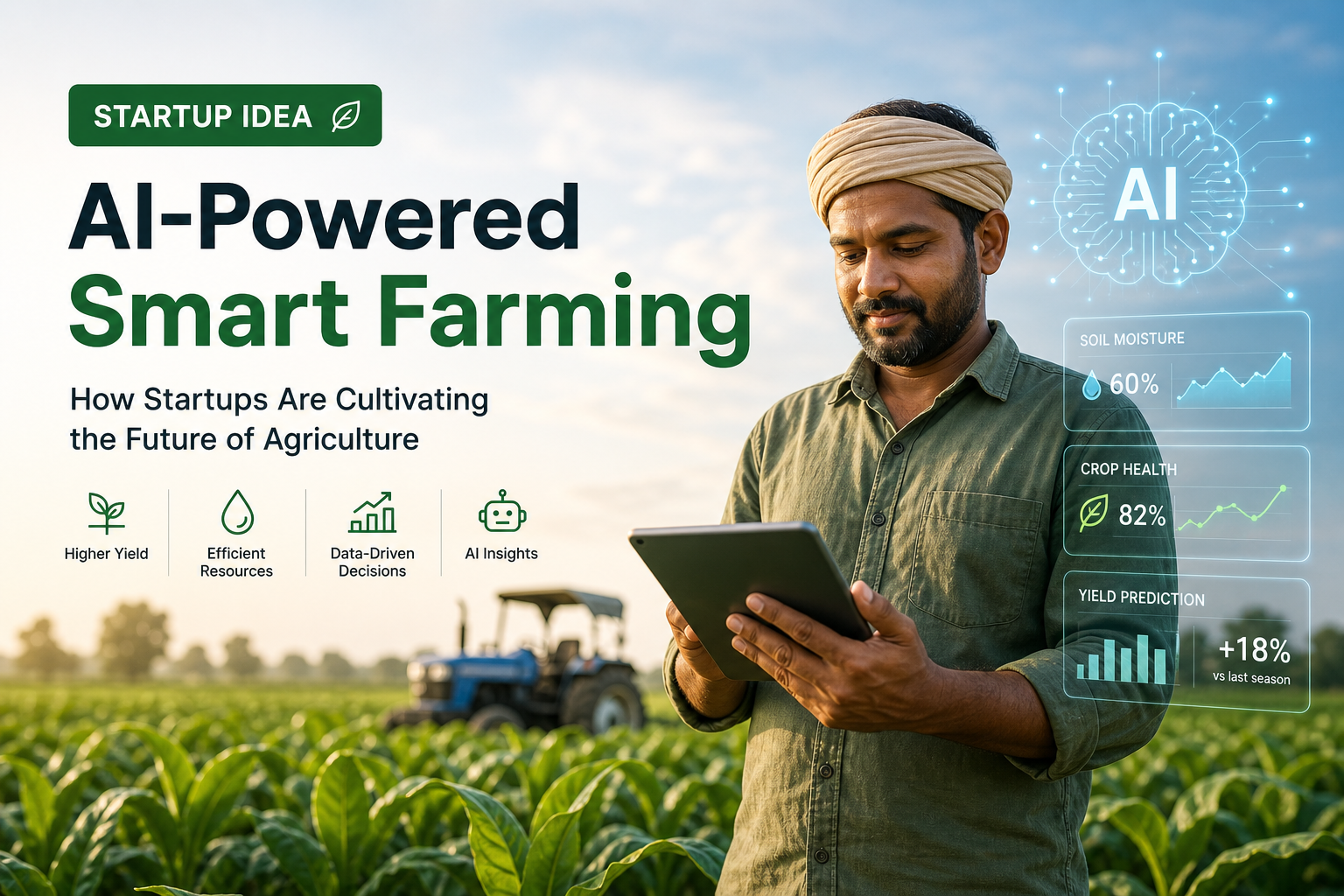
The vertical farming sector is experiencing significant growth, with projections indicating a market value of approximately $25 billion by 2030. This growth is driven by a compound annual growth rate (CAGR) of around 24%, as urban areas seek innovative solutions to meet the rising demand for fresh produce. Vertical farms, which utilize stacked layers to grow crops in controlled environments, offer the potential for year-round production, reduced land usage, and minimized transportation costs.
Augmented Reality: A Tool for Efficiency
Augmented reality is increasingly being integrated into various sectors, including agriculture. In the context of vertical farming, AR can provide users with interactive interfaces that simplify the management of crops. By overlaying digital information onto the physical environment, AR can assist both novice and experienced growers in monitoring plant health, optimizing resource usage, and enhancing overall productivity.
However, the adoption of AR in vertical farming is not without its challenges. While the technology promises to streamline operations, questions remain regarding its scalability and the actual benefits it delivers. Investors must critically assess whether the integration of AR will yield tangible improvements in productivity and cost-effectiveness.
Market Dynamics and Investment Risks
The vertical farming market is attracting considerable interest from investors, drawn by the potential for sustainable food production amid growing concerns about climate change and urbanization. However, the reality of vertical farming is complex. While the technology offers innovative solutions, it also presents several risks that investors should consider:
- Energy Consumption: Vertical farms often require significant energy inputs for lighting, climate control, and irrigation systems. The environmental benefits touted by proponents may be offset by high energy costs, particularly in regions where electricity is expensive.
- Technological Dependence: The reliance on advanced technologies, such as AR and automated systems, raises concerns about the long-term viability of these solutions. If the technology fails or becomes obsolete, the operational efficiency of vertical farms could be compromised.
- Market Saturation: As more players enter the vertical farming space, competition is likely to intensify. Investors must evaluate whether the market can sustain the influx of new entrants and whether established companies can maintain their competitive edge.
- Consumer Acceptance: While vertical farming aims to provide fresh produce, consumer acceptance of these products is crucial. Market research indicates that consumers may have reservations about the quality and taste of produce grown in controlled environments compared to traditional farming methods.
Strategic Considerations for Founders
For entrepreneurs in the vertical farming sector, developing a robust business model is essential. Founders should focus on the following strategic considerations:
- Operational Efficiency: Streamlining operations to minimize energy consumption and optimize resource usage will be critical for long-term sustainability. This may involve investing in renewable energy sources or developing energy-efficient technologies.
- Partnerships and Collaborations: Establishing partnerships with technology providers, research institutions, and local governments can enhance credibility and provide access to valuable resources and expertise.
- Consumer Engagement: Building a strong brand and engaging with consumers through education and marketing initiatives can help foster acceptance and loyalty. Transparency about farming practices and the benefits of vertical farming will be key.
- Scalability: Founders should consider the scalability of their operations and technology. Developing modular systems that can be easily replicated in different urban environments may provide a competitive advantage.
Conclusion
The vertical farming sector, bolstered by advancements in augmented reality, presents both opportunities and challenges for investors and entrepreneurs. As the market continues to evolve, careful consideration of the associated risks and strategic planning will be essential for success. The potential for sustainable urban agriculture is significant, but it requires a balanced approach that acknowledges both the technological innovations and the realities of operational challenges.
Editor's note: This is original market analysis and not investment advice.
What's Your Reaction?
 Like
0
Like
0
 Dislike
0
Dislike
0
 Love
0
Love
0
 Funny
0
Funny
0
 Angry
0
Angry
0
 Sad
0
Sad
0
 Wow
0
Wow
0