


Tiny Nuclear Reactors and IoT Mesh Stacks: The Absurd Future of Energy Investment?
By StartupKorea Business Desk | Feb 27, 2026 Small Modular Reactors: The New Frontier of Finance and FutilityIn a dazzling display of overreaching ambition, an obscure startup has decided that the future of energy lies in the unholy union o...

By StartupKorea Business Desk | Feb 27, 2026
Small Modular Reactors: The New Frontier of Finance and Futility
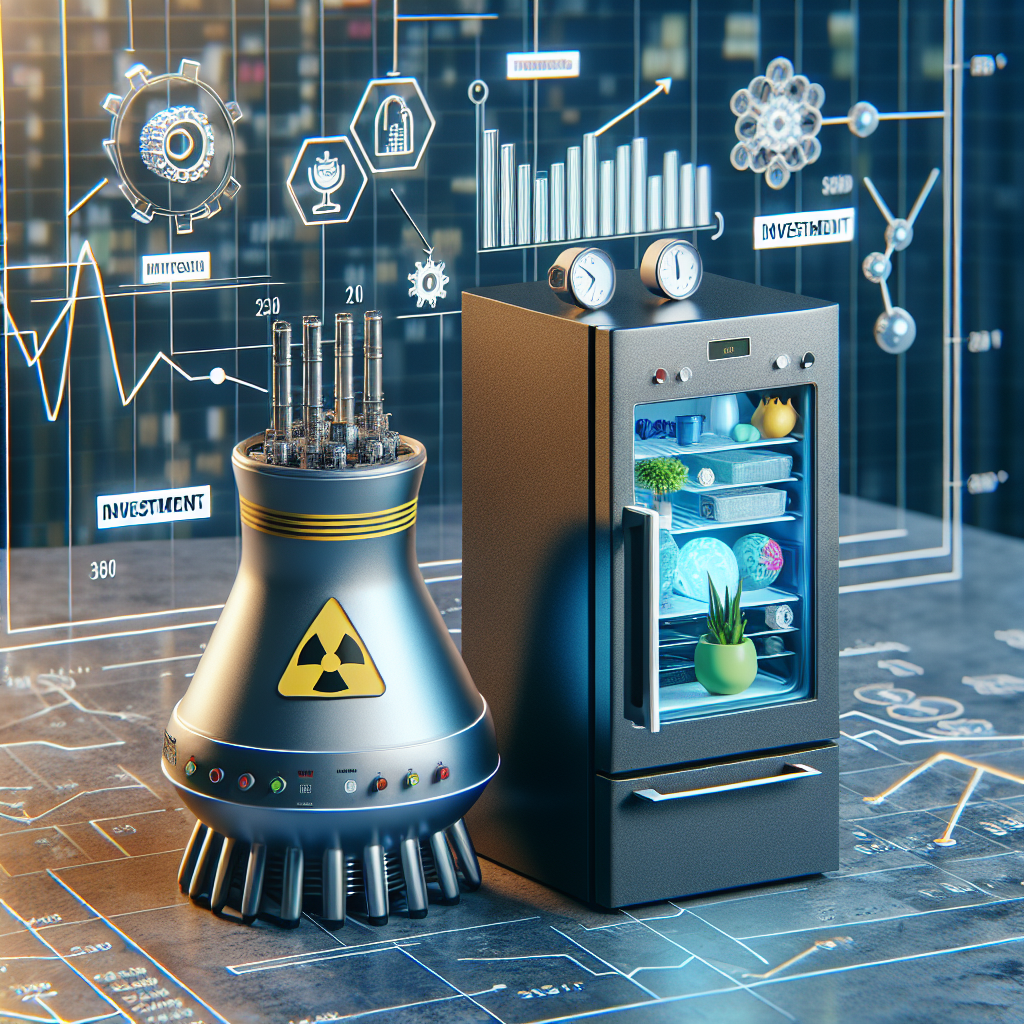
In a dazzling display of overreaching ambition, an obscure startup has decided that the future of energy lies in the unholy union of small modular reactors (SMRs) and ultra-low-power IoT mesh stacks. They’ve just secured a staggering $60 million from a consortium of global investment funds, who presumably all decided to take a break from investing in more sensible ventures like cryptocurrency. The funding comes just as the world collectively raises an eyebrow at the idea of fitting an energy solution into the pocket of a pair of skinny jeans.
The Rise of the Consulting Titans
Leading the charge is CEO Jane Button, a self-proclaimed 'energy visionary', who claims that this venture will revolutionize not just energy consumption but the very fabric of life as we know it. "Imagine a future where your refrigerator can negotiate energy prices with the power grid while simultaneously self-cooling your artisanal mayonnaise," she enthused, perhaps mistaking the concept for a new form of modern art.
Investment Context: When $60 Million Just Isn’t Enough
The investment landscape for energy startups has never been more competitive, with venture capital funding in the energy tech sector reaching $20 billion in 2025. Yet, the market remains riddled with uncertainty, as more than 60% of startups fail to deliver on their outlandish promises. Investors, it seems, are keen to place their chips on the roulette table of innovation, praying that this time the wheel will land on SMRs rather than yet another solar-powered skateboard.
Market Potential or Market Pitfall?
While the promise of tiny nuclear reactors sounds enticing, experts are quick to point out the risks. Energy analyst Bill Moneypenny warns, "The idea of scalable, small-scale nuclear power has been around for decades, but technical challenges are a persistent thorn in the side of optimists. Besides, asking consumers to trust their homes to a microwave-sized reactor is a tall order, even in today’s appliance-obsessed culture."
Furthermore, the iota of potential provided by IoT mesh stacks could easily be overshadowed by cybersecurity risks. “If we can hack a smart toaster, imagine what could happen if someone set their sights on a nuclear reactor controlling a smart toaster,” quips cybersecurity consultant Claire Firewall.
Balancing National Energy Needs with Investor Dreams
The juxtaposition of national energy needs against a backdrop of whimsical investor dreams has led to a growing skepticism in the market. Defense contractors and traditional energy firms are playing a game of high-stakes poker, keeping their cards close to their chests while observing the startup’s every move. With a tumultuous regulatory environment, navigating the energy sector's labyrinth is like playing chess on a rollercoaster.
Opposing Viewpoints: Can Technology Save Us All?
Critics of the startup's vision argue that the notion of combining SMRs with IoT technology is akin to strapping a rocket to a shopping cart—ambitious, but ultimately misguided. “The market is already saturated with half-baked ideas that promise to redefine the energy sector,” states veteran energy investor Sam Pessimist. “This feels more like a circus act than a serious energy solution.”
Conclusion: A Trend That Might Just Blow Up
As the industry watches with bated breath, the question remains: can small modular reactors and ultra-low-power IoT mesh stacks truly deliver the energy revolution we so desperately crave? Or will this be another cautionary tale lost in the annals of startup folklore, alongside the noble attempts to build solar-powered umbrellas? Only time will tell, but for now, investors seem more than willing to take a gamble on this bizarre blend of nuclear futurism and tech utopianism.
- Investment Secured: $60 Million
- Market Growth in Energy Tech: $20 Billion (2025)
- Startup Failure Rate: Over 60%
- Potential Benefits: Ultra-low power consumption
- Risks: Technical challenges, cybersecurity threats
What's Your Reaction?
 Like
0
Like
0
 Dislike
0
Dislike
0
 Love
0
Love
0
 Funny
0
Funny
0
 Angry
0
Angry
0
 Sad
0
Sad
0
 Wow
0
Wow
0