



The Rise of Wearable Technology in Fashion: Market Trends and Investment Insights
By Startup Korea Research Desk | Apr 06, 2026 The Rise of Wearable Technology in Fashion: Market Trends and Investment Insights The intersection of technology and fashion is witnessing a significant transformation, driven by advancements in wear...

By Startup Korea Research Desk | Apr 06, 2026
The Rise of Wearable Technology in Fashion: Market Trends and Investment Insights
The intersection of technology and fashion is witnessing a significant transformation, driven by advancements in wearable technology. As consumer preferences evolve towards more personalized and data-driven solutions, startups in this sector are poised to capitalize on emerging trends. This analysis explores the market dynamics, business models, and investment opportunities within the wearable fashion technology landscape.
Market Dynamics: Growth and Consumer Demand
The wearable technology market is experiencing robust growth, with projections indicating an annual increase of 25%, potentially reaching a valuation of $100 billion by 2030, according to industry research. This growth is fueled by a rising demand for smart solutions that enhance daily life, particularly in the realm of personal style and fashion.
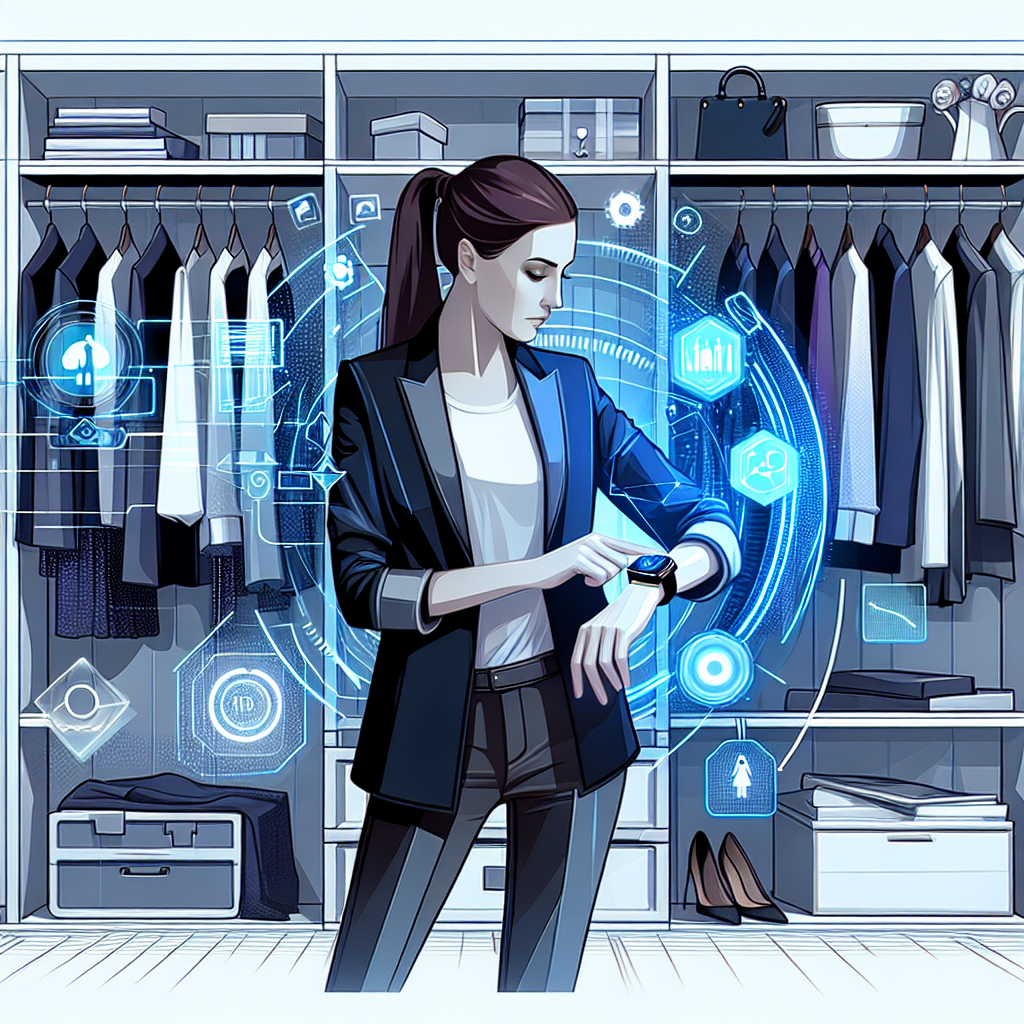
As consumers increasingly seek convenience and personalization, the need for innovative products that simplify decision-making processes becomes paramount. Wearable technology that assists in outfit selection, such as wardrobe decision engines, addresses this need by leveraging data analytics to provide tailored recommendations.
Business Model Quality: Addressing Consumer Pain Points
Startups like DressSense are developing business models that focus on alleviating common consumer pain points, such as decision fatigue when choosing outfits. By integrating advanced algorithms with real-time data analysis, these companies aim to create solutions that not only enhance user experience but also foster brand loyalty.
The effectiveness of these business models hinges on their ability to deliver value. For instance, a wardrobe decision engine that considers factors like weather, social media trends, and personal style preferences can significantly improve the user experience. This approach not only attracts fashion-conscious consumers but also positions the startup as a leader in the evolving wearable tech market.
Adoption Risks: Navigating Consumer Hesitance
Despite the promising outlook, there are inherent risks associated with the adoption of wearable technology in fashion. Consumer hesitance can stem from concerns about privacy, data security, and the reliability of technology. Startups must address these concerns proactively by implementing robust data protection measures and ensuring transparency in how user data is utilized.
Moreover, the success of wearable fashion technology relies on user engagement. Companies must invest in user education and marketing strategies that highlight the benefits of their products. Building a community around the brand can also enhance consumer trust and encourage adoption.
Investor Diligence: Evaluating Opportunities in Wearable Tech
For investors, the wearable technology sector presents a unique opportunity to engage with innovative startups that are reshaping consumer behavior. However, due diligence is essential. Investors should assess the scalability of the business model, the competitive landscape, and the startup's ability to adapt to market changes.
Furthermore, evaluating the founding team’s expertise and vision is critical. A strong leadership team with a clear strategy for growth can significantly influence the startup's trajectory. Investors should also consider the startup's approach to partnerships and collaborations, as these can enhance product offerings and expand market reach.
Founder Strategy: Building a Sustainable Brand
For founders in the wearable fashion technology space, developing a sustainable brand requires a multifaceted approach. This includes not only focusing on product innovation but also cultivating a strong brand identity that resonates with consumers. Engaging storytelling and effective marketing can differentiate a startup in a crowded marketplace.
Additionally, founders should prioritize customer feedback and iterate on their products based on user experiences. This agile approach can lead to continuous improvement and higher customer satisfaction, ultimately driving brand loyalty.
Conclusion: The Future of Wearable Fashion Technology
The wearable technology sector within the fashion industry is on the cusp of significant growth, driven by changing consumer preferences and technological advancements. Startups that effectively address consumer pain points, navigate adoption risks, and engage investors will be well-positioned to thrive in this dynamic market.
Editor's note: This analysis is original market research and does not constitute investment advice.
What's Your Reaction?
 Like
0
Like
0
 Dislike
0
Dislike
0
 Love
0
Love
0
 Funny
0
Funny
0
 Angry
0
Angry
0
 Sad
0
Sad
0
 Wow
0
Wow
0