


The Rise of Virtual Commutes: Analyzing Market Trends and Adoption Risks
The Rise of Virtual Commutes: Analyzing Market Trends and Adoption Risks By Startup Korea Research Desk | May 21, 2026 The concept of virtual commutes has emerged as a notable trend in the evolving landscape of remote work, particularly as organ...

The Rise of Virtual Commutes: Analyzing Market Trends and Adoption Risks
By Startup Korea Research Desk | May 21, 2026
The concept of virtual commutes has emerged as a notable trend in the evolving landscape of remote work, particularly as organizations adapt to hybrid work models. Startups are increasingly exploring innovative solutions that aim to enhance the remote work experience, with a focus on emotional well-being and productivity. This analysis delves into the market dynamics surrounding virtual commutes, examining the business models, potential risks, and the implications for investors and founders.
Market Context: The Shift in Work Dynamics
The shift towards remote work has been accelerated by the global pandemic, with a significant percentage of organizations now adopting hybrid models. According to recent industry reports, around 74% of U.S. companies have embraced this new paradigm. As employees seek to balance work and personal life, the demand for solutions that replicate the office environment has grown.
Understanding Virtual Commutes
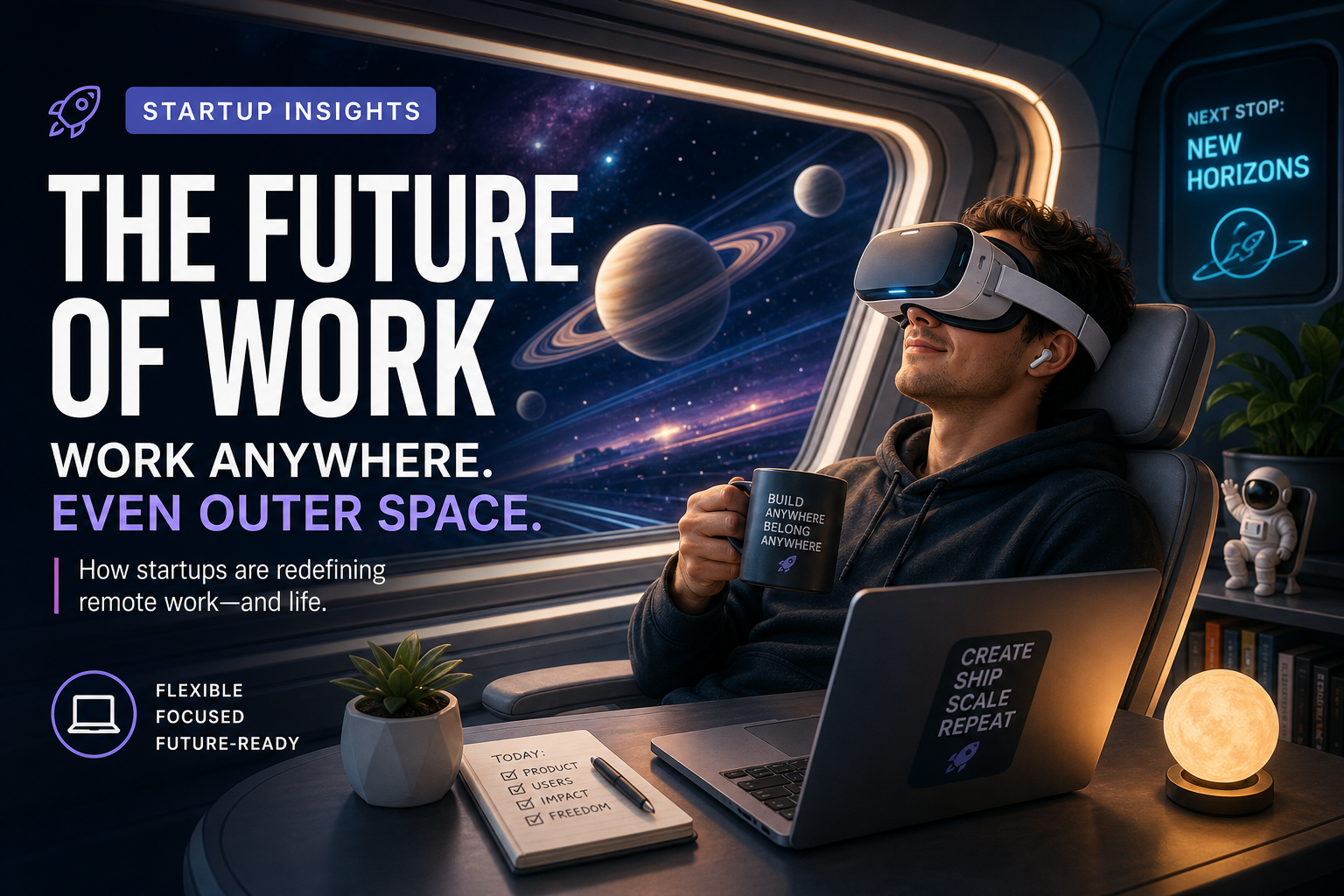
Virtual commutes aim to provide remote workers with a structured transition between work and personal time. By leveraging immersive technologies, such as virtual reality (VR), startups are creating experiences that simulate the act of commuting, allowing users to engage in activities that promote mental well-being. This trend is not merely about entertainment; it reflects a deeper understanding of the psychological aspects of remote work.
Business Models and Value Proposition
Startups in this space are developing platforms that offer unique value propositions. For instance, some platforms provide users with the ability to choose from various environments, ranging from urban landscapes to fantastical settings. This flexibility caters to diverse user preferences and enhances the overall experience. Furthermore, integrating features such as social interaction and gamification can increase user engagement.
- Emotional Well-Being: By offering a break from the monotony of home office life, virtual commutes can help alleviate feelings of isolation and burnout.
- Enhanced Productivity: A well-structured transition can lead to improved focus and productivity during work hours.
- Data Security: Incorporating robust security measures is essential, especially as users engage with digital environments.
Adoption Risks and Challenges
Despite the promising outlook, several challenges may hinder the widespread adoption of virtual commute solutions. One significant concern is the potential for these platforms to be perceived as distractions rather than productivity enhancers. Critics argue that the immersive nature of virtual commutes could lead to procrastination, undermining the intended benefits.
Moreover, the effectiveness of virtual commutes in improving productivity remains to be fully validated. While some users may find value in these experiences, others may struggle to integrate them into their daily routines. This variability in user experience poses a risk for startups as they seek to scale their offerings.
Investor Diligence and Market Viability
For investors, the virtual commute market presents both opportunities and risks. As the remote work trend continues to evolve, there is potential for significant growth in the virtual reality sector, projected to reach $57 billion by 2027. However, due diligence is crucial. Investors should assess the scalability of business models, the competitive landscape, and the startup's ability to adapt to changing user needs.
Furthermore, understanding the target audience is essential. Startups must identify the specific pain points they aim to address and tailor their solutions accordingly. Engaging with potential users during the development phase can provide valuable insights and enhance product-market fit.
Founder Strategy: Navigating the Landscape
For founders venturing into the virtual commute space, a clear strategy is paramount. Establishing partnerships with organizations that prioritize employee well-being can facilitate market entry and enhance credibility. Additionally, leveraging user feedback to iterate on product offerings will be vital for long-term success.
Moreover, founders should remain adaptable, as the remote work landscape is continuously evolving. Monitoring industry trends and competitor movements will enable startups to pivot their strategies in response to changing market demands.
Conclusion
The rise of virtual commutes reflects a broader trend in the remote work landscape, emphasizing the importance of emotional well-being and productivity. While the market presents exciting opportunities for innovation, startups must navigate inherent risks and challenges. By focusing on user experience, data security, and adaptability, founders can position their ventures for success in this emerging sector.
Editor's note: This article is original market analysis and not investment advice.
What's Your Reaction?
 Like
0
Like
0
 Dislike
0
Dislike
0
 Love
0
Love
0
 Funny
0
Funny
0
 Angry
0
Angry
0
 Sad
0
Sad
0
 Wow
0
Wow
0