



The Rise of Smart Mirror Technology: Analyzing Market Trends and Challenges
By Startup Korea Research Desk | Apr 27, 2026 In recent years, the intersection of technology and personal well-being has sparked significant interest among startups and investors alike. One of the latest entrants into this burgeoning market is...


By Startup Korea Research Desk | Apr 27, 2026
In recent years, the intersection of technology and personal well-being has sparked significant interest among startups and investors alike. One of the latest entrants into this burgeoning market is a company that has developed a smart mirror operating system (OS) aimed at enhancing self-esteem through the concept of digital twins. This analysis explores the market trends, business model quality, adoption risks, investor diligence, and founder strategies surrounding this innovative technology.
The Market Landscape for Self-Improvement Technologies
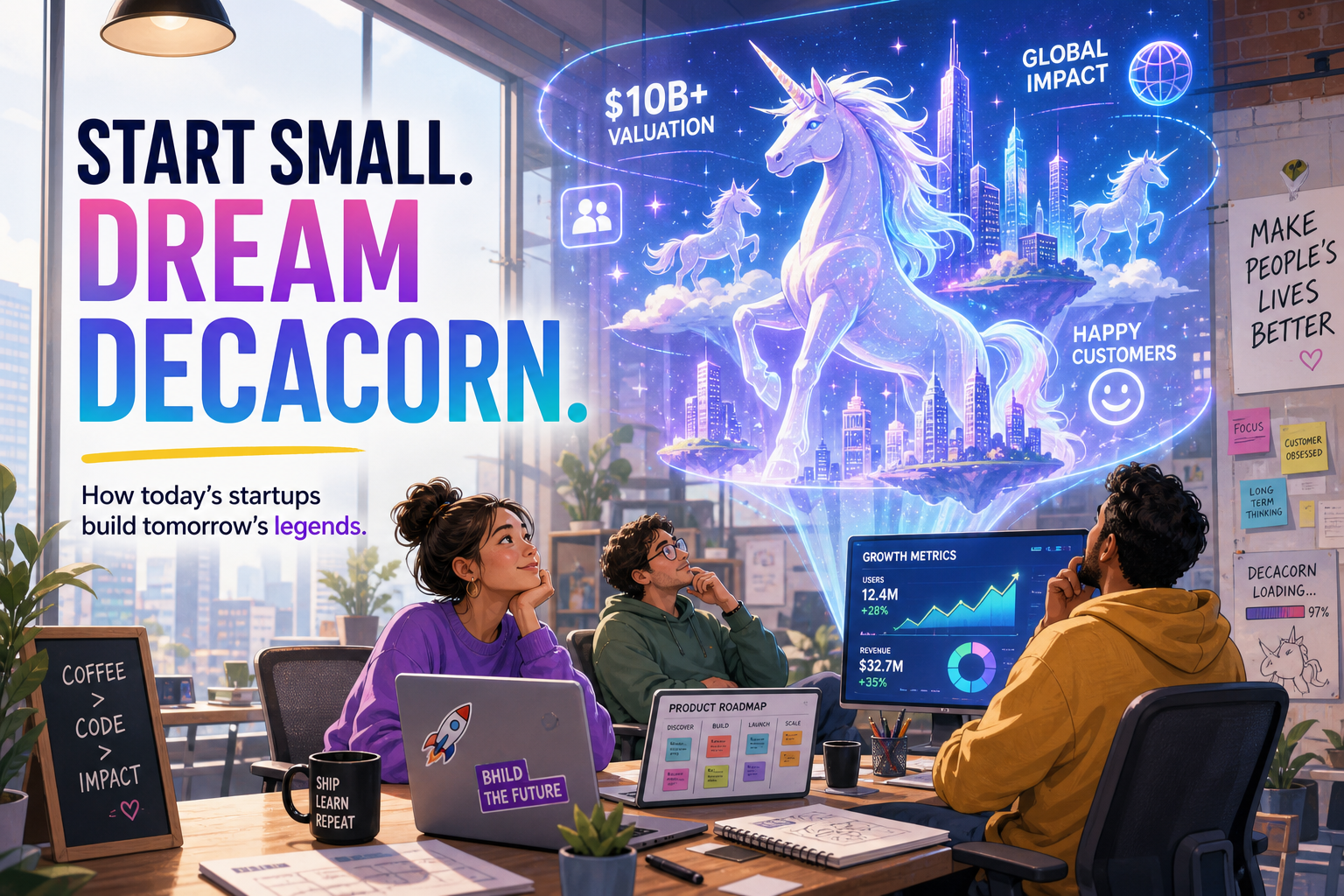
The market for personal self-improvement technologies is projected to experience robust growth, with estimates suggesting an annual increase of 25%, potentially reaching a valuation of $10 billion by 2028. This growth is driven by a rising consumer focus on mental health and self-image, alongside the increasing integration of technology into everyday life. As consumers seek tools that can enhance their self-perception, products that blend technology with personal development are gaining traction.
Understanding the Smart Mirror Concept
The smart mirror OS aims to provide users with not only a reflection of their physical appearance but also a digital representation of their ideal self. By leveraging advanced technologies, such as augmented reality and artificial intelligence, these mirrors can offer personalized feedback and encouragement, potentially transforming the way individuals perceive themselves. However, the effectiveness of such technology in delivering tangible self-esteem benefits remains a topic of debate among market analysts.
Security and Privacy Concerns
While the promise of a digital twin as a security measure is appealing, it raises significant concerns regarding data privacy and security. The complexities involved in protecting personal data in an increasingly surveillance-driven world could pose challenges for companies operating in this space. Experts caution that while the concept of a digital twin may enhance user experience, it also invites scrutiny regarding the potential for data breaches and misuse.
- Data Protection: The implementation of robust encryption and biometric security measures is crucial for addressing user concerns. Companies must prioritize data protection to build trust with their consumers.
- User Trust: Establishing a reliable security framework is essential for gaining user confidence. If consumers perceive the technology as a risk to their privacy, adoption rates may suffer.
- Regulatory Compliance: Navigating the regulatory landscape surrounding data privacy will be critical for startups in this sector. Compliance with laws such as GDPR and CCPA will be necessary to avoid legal pitfalls.
Investor Sentiment and Market Viability
The recent influx of venture capital into the smart mirror sector indicates a strong investor interest in self-improvement technologies. However, while funding can provide the necessary resources for development and marketing, it is essential for investors to conduct thorough due diligence. Understanding the long-term viability of the business model, market demand, and potential risks is critical for making informed investment decisions.
Investors should consider the following factors:
- Market Demand: Assessing consumer interest and demand for smart mirror technology will be vital for determining the potential success of the product.
- Competitive Landscape: Analyzing competitors and their offerings can provide insights into market positioning and differentiation strategies.
- Scalability: Evaluating the scalability of the business model will help investors understand the growth potential and sustainability of the startup.
Founder Strategy and Vision
The success of startups in the smart mirror space will largely depend on the vision and strategy of their founders. A clear understanding of the target market, effective marketing strategies, and the ability to pivot based on consumer feedback will be essential. Founders must also prioritize building a strong brand that resonates with consumers, emphasizing the benefits of their technology in enhancing self-esteem and personal growth.
Conclusion
As the smart mirror technology market evolves, it presents both opportunities and challenges for startups and investors. While the potential for growth is significant, the associated risks, particularly concerning data privacy and security, cannot be overlooked. A balanced approach that prioritizes user trust, effective marketing, and a robust business model will be crucial for success in this competitive landscape.
Editor's note: This is original market analysis and not investment advice.
What's Your Reaction?
 Like
0
Like
0
 Dislike
0
Dislike
0
 Love
0
Love
0
 Funny
0
Funny
0
 Angry
0
Angry
0
 Sad
0
Sad
0
 Wow
0
Wow
0