





The Rise of Robotic Companions: Market Trends and Adoption Challenges
The Rise of Robotic Companions: Market Trends and Adoption Challenges By Startup Korea Research Desk | May 19, 2026 The intersection of technology and companionship is evolving, with startups exploring innovative solutions to enhance the pet own...

The Rise of Robotic Companions: Market Trends and Adoption Challenges
By Startup Korea Research Desk | May 19, 2026
The intersection of technology and companionship is evolving, with startups exploring innovative solutions to enhance the pet ownership experience. One such development is the emergence of robotic pets, which aim to replicate the emotional connection traditionally associated with living animals. This analysis examines the market trends, business models, adoption risks, and strategies that founders in this niche must navigate.
Market Context: A Growing Industry
The global pet ownership market is on a trajectory of significant growth, projected to reach approximately $231 billion by 2028. This expansion is driven by factors such as increasing disposable incomes, changing lifestyles, and a growing awareness of the benefits of pet ownership. However, while traditional pet ownership remains robust, the adoption of robotic alternatives is still in its infancy, with only a small percentage of pet owners currently considering these options.
Robotic Pets: A New Frontier
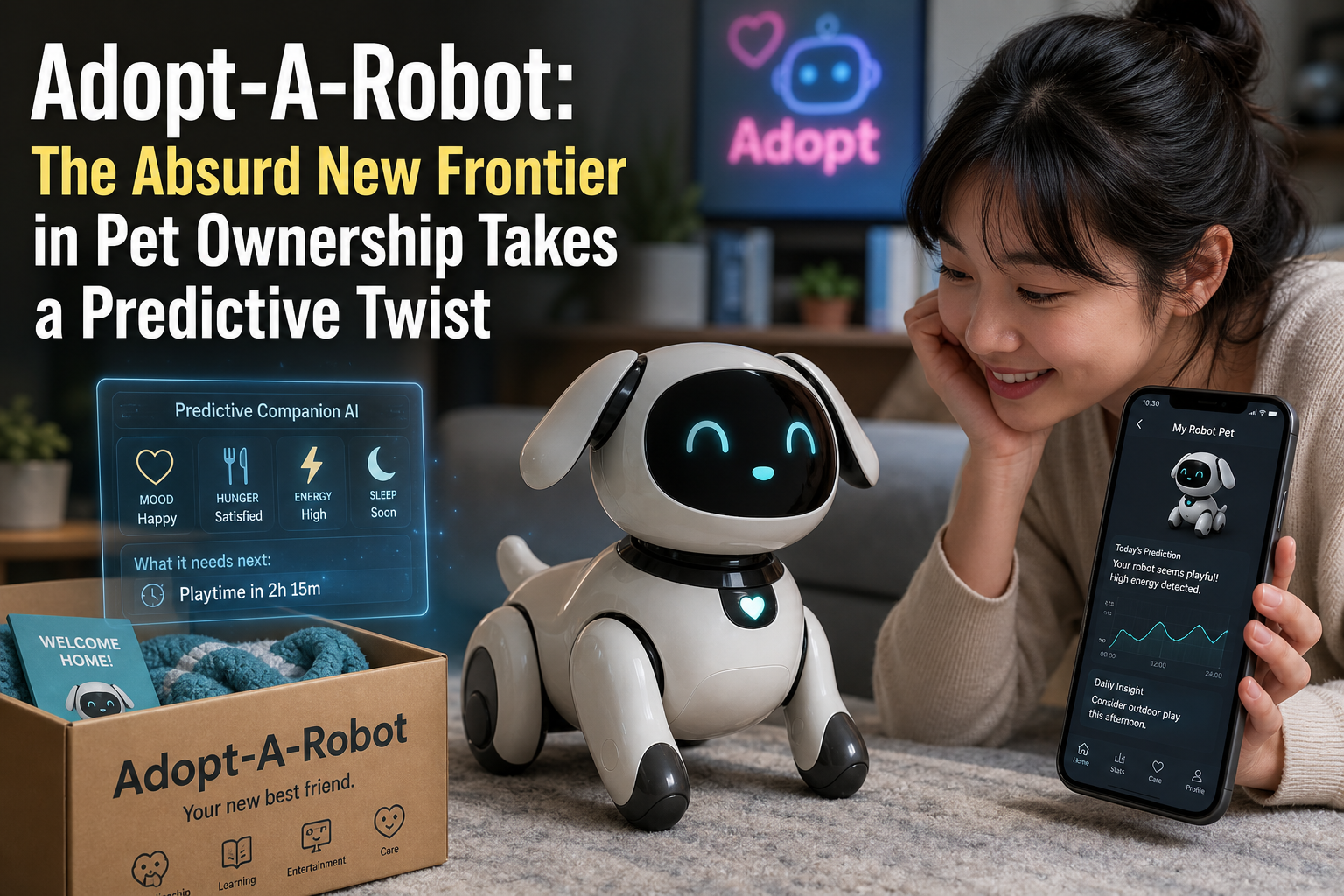
Startups focusing on robotic companions are positioning themselves at the forefront of this evolving market. By leveraging advanced technologies such as artificial intelligence and predictive algorithms, these companies aim to create engaging and interactive experiences for users. For instance, platforms that match users with robotic pets based on their lifestyle and preferences are becoming increasingly popular. This approach not only personalizes the experience but also seeks to predict emotional needs, which could enhance user satisfaction.
Investor Interest and Funding Landscape
Despite skepticism surrounding the practicality of robotic pets, investor interest in this sector is growing. Venture capital firms are recognizing the potential for innovation at the intersection of technology and companionship. The willingness of consumers to invest in high-tech home devices, such as robotic vacuums, suggests a market readiness for similar investments in robotic pets. This trend indicates a shift in consumer behavior, where the novelty and functionality of robotic companions could appeal to a segment of the population seeking companionship without the responsibilities of traditional pet ownership.
Challenges and Adoption Risks
While the prospects for robotic pets are promising, several challenges must be addressed to foster widespread adoption. One significant concern is the emotional connection that traditional pets provide. Critics argue that robotic companions may lack the genuine emotional engagement that comes with living animals, potentially limiting their appeal. Additionally, the reliance on predictive algorithms raises questions about their accuracy and effectiveness in understanding human emotions and preferences.
- Consumer Acceptance: The transition from traditional pets to robotic alternatives requires a shift in consumer mindset. Education and awareness campaigns may be necessary to highlight the benefits and capabilities of robotic pets.
- Technological Reliability: Ensuring that robotic pets function reliably and meet user expectations is crucial for building trust and encouraging adoption.
- Market Competition: As the market for robotic companions grows, competition will intensify. Startups must differentiate themselves through unique features, superior technology, and exceptional user experiences.
Strategic Considerations for Founders
For founders in the robotic pet sector, developing a clear and compelling business model is essential. This includes understanding target demographics, pricing strategies, and potential revenue streams. Subscription models, for example, could provide ongoing revenue through software updates, virtual interactions, or additional features.
Moreover, fostering partnerships with technology firms and pet care companies could enhance product offerings and expand market reach. Collaborations may also facilitate access to valuable data that can inform product development and marketing strategies.
Conclusion
The robotic pet market represents an intriguing frontier in the broader pet ownership landscape. While the potential for growth is significant, it is accompanied by inherent risks and challenges that must be navigated carefully. As technology continues to advance, the ability to create meaningful connections through robotic companions will be a critical factor in determining their success.
Editor's note: This is original market analysis and not investment advice.
What's Your Reaction?
 Like
0
Like
0
 Dislike
0
Dislike
0
 Love
0
Love
0
 Funny
0
Funny
0
 Angry
0
Angry
0
 Sad
0
Sad
0
 Wow
0
Wow
0