
The Rise of Emotional AI in Retail: Market Trends and Challenges
The Rise of Emotional AI in Retail: Market Trends and Challenges By Startup Korea Research Desk | May 09, 2026 The retail landscape is undergoing a significant transformation, driven by advancements in technology and changing consumer expectatio...

The Rise of Emotional AI in Retail: Market Trends and Challenges
By Startup Korea Research Desk | May 09, 2026
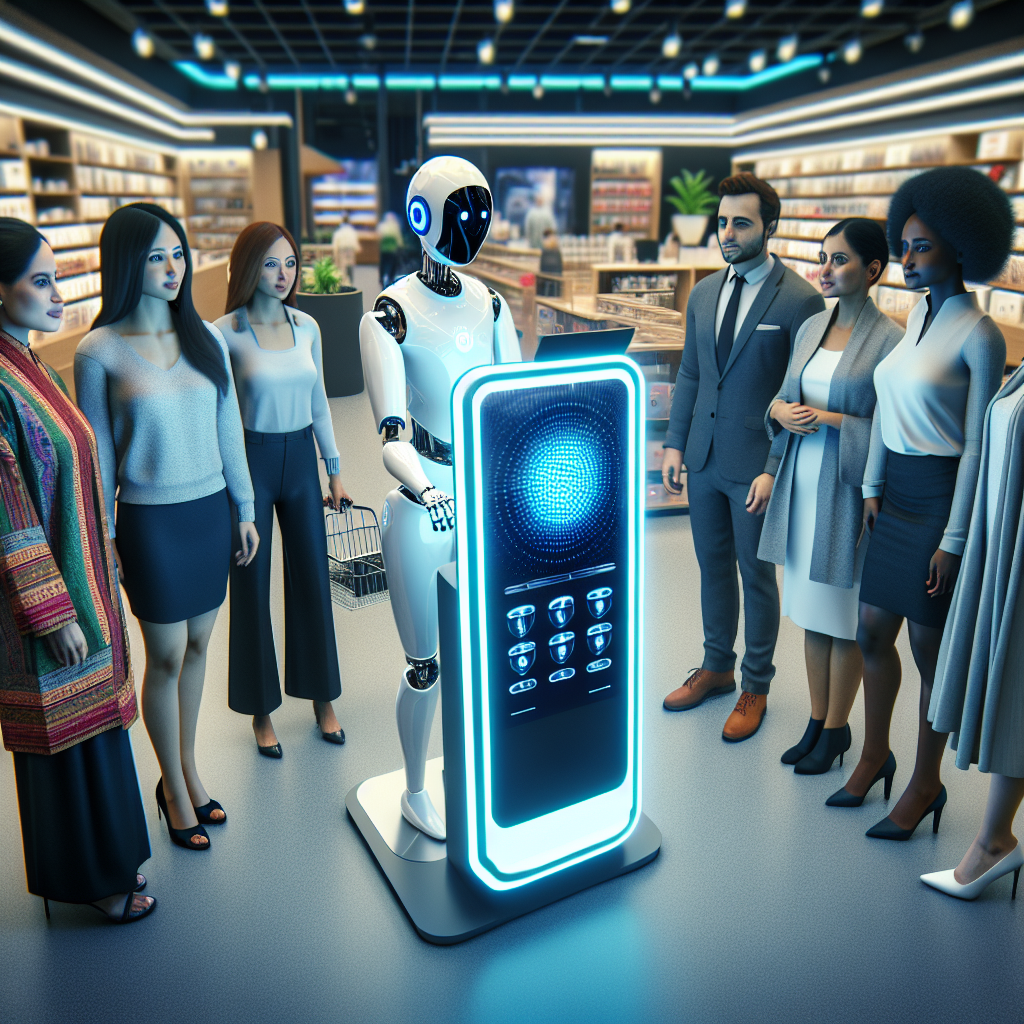
The retail landscape is undergoing a significant transformation, driven by advancements in technology and changing consumer expectations. One of the most intriguing developments is the emergence of Emotional AI, which aims to enhance the shopping experience by creating more human-like interactions in cashierless environments. This analysis explores the market potential, business model quality, adoption risks, and strategic considerations for startups venturing into this space.
Market Potential: A Growing Opportunity
The cashierless store market is projected to grow at an impressive rate of 28% annually, potentially reaching $400 billion by 2028. This growth is fueled by increasing consumer demand for convenience and efficiency in shopping. Companies like Amazon and Walmart have already made significant investments in cashierless technology, setting a competitive landscape that new entrants must navigate carefully.
Startups focusing on Emotional AI, such as those developing advanced customer interaction systems, aim to differentiate themselves by adding a layer of emotional engagement to the shopping experience. This approach seeks to address the often impersonal nature of automated retail, potentially leading to increased customer satisfaction and loyalty.
Business Model Quality: Emotional Engagement as a Differentiator
The core proposition of Emotional AI in retail is to create a more personalized shopping experience. By leveraging data analytics and machine learning, these technologies can tailor interactions based on individual consumer behaviors and preferences. This not only enhances the shopping experience but also opens up new avenues for upselling and cross-selling.
However, the success of this business model hinges on the ability to balance emotional engagement with ethical considerations. Startups must ensure that their AI systems respect consumer privacy and do not manipulate emotions in a way that could lead to consumer backlash.
Adoption Risks: Consumer Readiness and Ethical Concerns
While the concept of Emotional AI is compelling, there are significant risks associated with its adoption. One primary concern is whether consumers are ready to form emotional connections with digital assistants. The effectiveness of Emotional AI relies heavily on consumer acceptance, which varies widely across demographics and cultural contexts.
Moreover, ethical dilemmas arise when considering the potential for manipulation. Critics argue that if AI systems can understand and respond to emotional cues, there is a risk of exploiting this knowledge for commercial gain. Startups must navigate these ethical waters carefully to avoid damaging their reputations and alienating potential customers.
Investor Diligence: Evaluating the Viability of Emotional AI Startups
As interest in Emotional AI grows, investors are increasingly scrutinizing startups in this space. Due diligence is essential to assess the viability of these business models. Investors should consider factors such as the technology's scalability, the startup's understanding of consumer behavior, and the ethical frameworks in place to guide AI interactions.
Furthermore, investors must evaluate the competitive landscape. With established players already investing heavily in cashierless technology, new entrants must demonstrate a clear value proposition and a robust strategy for capturing market share.
Founder Strategy: Navigating the Emotional AI Landscape
For founders looking to enter the Emotional AI market, a well-defined strategy is crucial. This includes not only technological development but also a comprehensive understanding of consumer psychology and ethical implications. Building a diverse team with expertise in AI, retail, and ethics can provide a competitive advantage.
Additionally, fostering partnerships with established retailers can facilitate market entry and provide valuable insights into consumer preferences. Startups should also prioritize transparency in their operations, ensuring that consumers are aware of how their data is used and how emotional interactions are designed.
Conclusion
The integration of Emotional AI into retail presents both significant opportunities and challenges. As the market for cashierless stores continues to expand, startups that can effectively leverage emotional engagement while addressing ethical concerns will be well-positioned for success. However, careful consideration of consumer readiness and investor diligence will be critical in navigating this evolving landscape.
Editor's note: This is original market analysis and not investment advice.
What's Your Reaction?
 Like
0
Like
0
 Dislike
0
Dislike
0
 Love
0
Love
0
 Funny
0
Funny
0
 Angry
0
Angry
0
 Sad
0
Sad
0
 Wow
0
Wow
0