




The Rise of Drone Agriculture: Analyzing Market Trends and Investment Risks
The Rise of Drone Agriculture: Analyzing Market Trends and Investment Risks By Startup Korea Research Desk | Apr 17, 2026 The agricultural sector is undergoing a significant transformation as technology continues to reshape traditional farming p...

The Rise of Drone Agriculture: Analyzing Market Trends and Investment Risks
By Startup Korea Research Desk | Apr 17, 2026
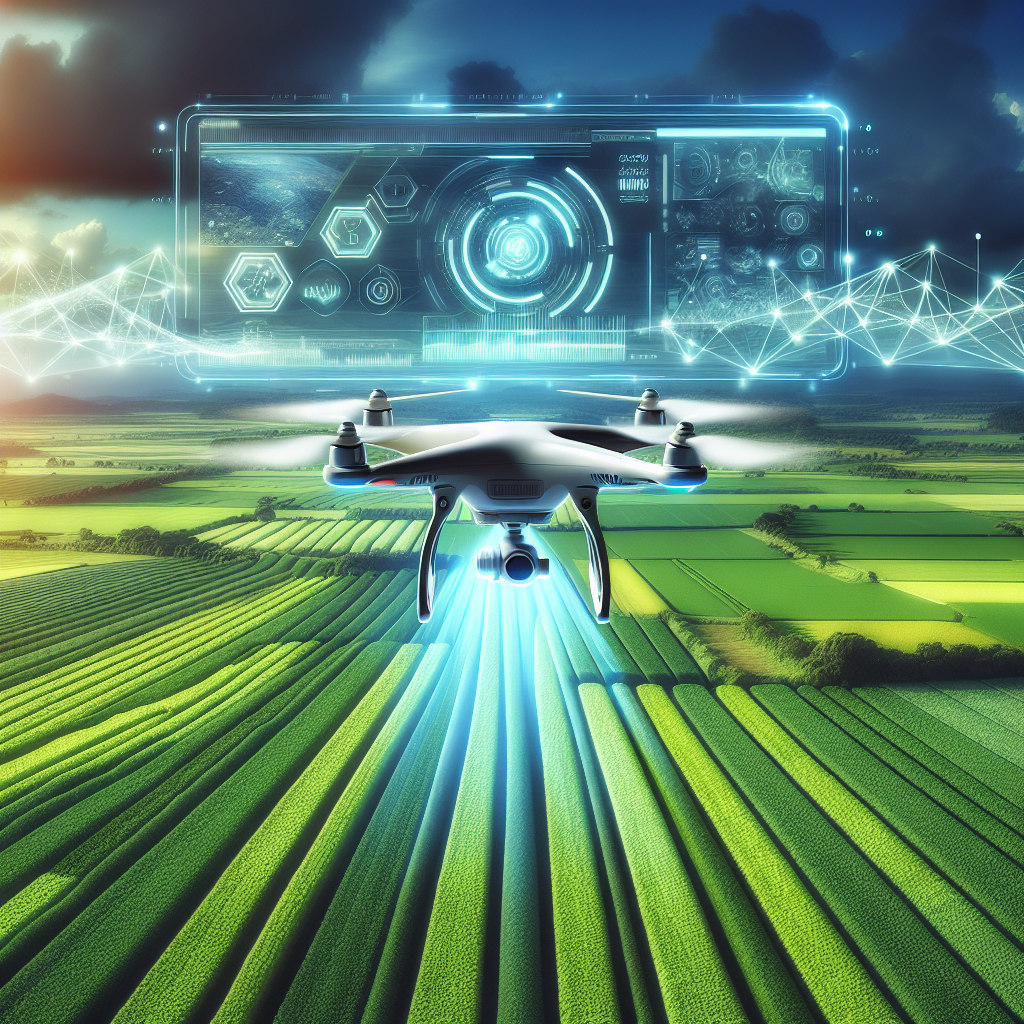
The agricultural sector is undergoing a significant transformation as technology continues to reshape traditional farming practices. Among the most notable advancements is the emergence of drone agriculture, which leverages artificial intelligence (AI) and automation to enhance crop management and yield. As investors increasingly pour capital into this niche, it is essential to analyze the underlying market trends, business models, and potential risks associated with this burgeoning field.
Market Trends in Drone Agriculture
The drone agriculture market has gained momentum due to several factors, including the growing demand for food production, the need for sustainable farming practices, and advancements in drone technology. According to industry reports, the global agricultural drone market is projected to grow significantly over the next decade, driven by the adoption of precision farming techniques.
- Increased Efficiency: Drones equipped with AI can perform tasks such as crop monitoring, soil analysis, and pesticide application more efficiently than traditional methods. This efficiency can lead to reduced labor costs and improved crop yields.
- Sustainability Focus: As environmental concerns rise, farmers are seeking sustainable solutions. Drones can minimize chemical usage and optimize resource allocation, aligning with the industry's shift towards eco-friendly practices.
- Technological Advancements: Continuous improvements in drone technology, including enhanced sensors and AI algorithms, are making these tools more accessible and effective for farmers.
Business Model Quality
Companies in the drone agriculture space are adopting various business models to capitalize on this trend. Some startups focus on providing drone hardware, while others emphasize software solutions that analyze data collected by drones. Subscription-based models for software services are becoming increasingly popular, allowing farmers to access real-time insights and analytics.
Moreover, partnerships with agricultural cooperatives and large farming operations can enhance market penetration. By aligning with established players in the agricultural sector, drone companies can gain credibility and access to a broader customer base.
Adoption Risks and Challenges
Despite the promising outlook, the adoption of drone agriculture is not without its challenges. Farmers may be hesitant to invest in new technology due to the high initial costs and the need for training. Additionally, regulatory hurdles surrounding drone usage in agriculture can create barriers to entry.
Furthermore, the effectiveness of drone technology in improving crop yields is still under scrutiny. While some companies claim significant yield increases, these assertions require rigorous validation through independent studies. Investors must approach such claims with caution, as the market is still evolving.
Investor Diligence
As investment in drone agriculture accelerates, it is crucial for investors to conduct thorough due diligence. This includes evaluating the technology's scalability, the company's financial health, and the competitive landscape. Understanding the regulatory environment and potential market disruptions is also vital for making informed investment decisions.
Investors should be wary of overhyped projections and focus on companies with a clear path to profitability. Engaging with industry experts and farmers can provide valuable insights into the practical applications of drone technology and its impact on agricultural practices.
Founder Strategy and Vision
The success of drone agriculture startups largely depends on the vision and strategy of their founders. Entrepreneurs in this space must not only possess technical expertise but also a deep understanding of the agricultural sector. Building relationships with farmers and stakeholders can facilitate product development that meets real-world needs.
Moreover, a focus on continuous innovation and adaptation to market changes will be essential for long-term success. Founders should prioritize customer feedback and invest in research and development to stay ahead of competitors.
Conclusion
Drone agriculture represents a significant opportunity for innovation within the agricultural sector. While the potential for increased efficiency and sustainability is compelling, stakeholders must navigate various challenges and risks. As the market continues to evolve, a balanced approach to investment and a commitment to understanding the technology's practical applications will be key to success.
Editor's note: This article presents original market analysis and should not be considered investment advice.
What's Your Reaction?
 Like
0
Like
0
 Dislike
0
Dislike
0
 Love
0
Love
0
 Funny
0
Funny
0
 Angry
0
Angry
0
 Sad
0
Sad
0
 Wow
0
Wow
0