
The Rise of Digital Twin Factories: Implications for Corporate Efficiency and Investment Opportunities
The Rise of Digital Twin Factories: Implications for Corporate Efficiency and Investment Opportunities By Startup Korea Research Desk | May 14, 2026 The emergence of digital twin technology represents a significant shift in how corporations appr...

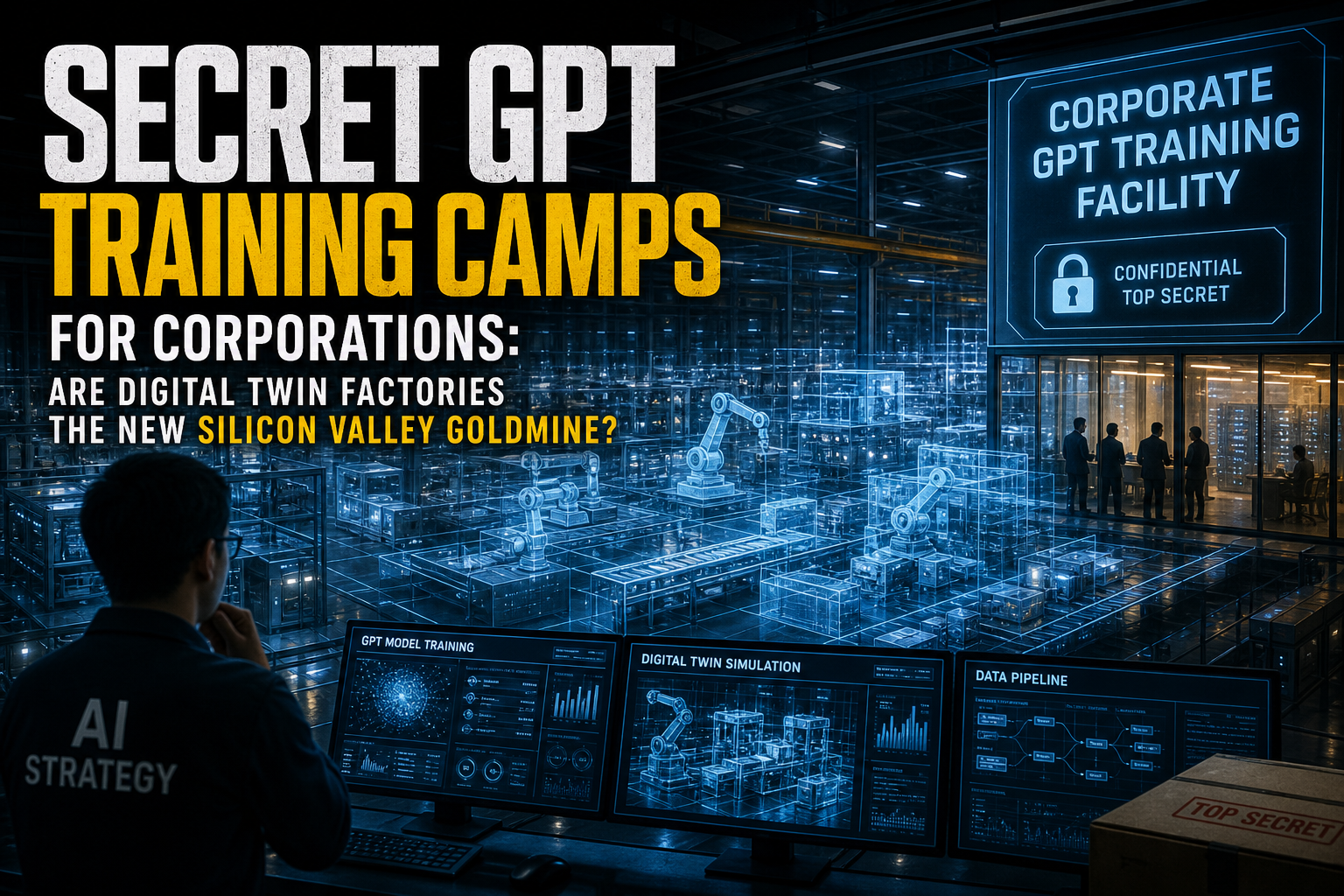
The Rise of Digital Twin Factories: Implications for Corporate Efficiency and Investment Opportunities
By Startup Korea Research Desk | May 14, 2026
The emergence of digital twin technology represents a significant shift in how corporations approach operational efficiency and innovation. This technology allows businesses to create virtual replicas of physical systems, enabling real-time monitoring, analysis, and optimization of manufacturing processes. As the integration of artificial intelligence (AI) continues to evolve, the intersection of digital twins and AI applications, particularly in the context of Generative Pre-trained Transformers (GPT), is garnering considerable attention from both industry leaders and investors.
Market Growth and Investment Potential
As of May 2026, the digital twin technology market is projected to reach a valuation of $35 billion by 2030, driven by a compound annual growth rate (CAGR) of approximately 25%. This rapid growth is largely attributed to the increasing adoption of AI technologies in production settings, where digital twins can enhance decision-making processes and operational efficiencies. Investors are keenly interested in this sector, viewing it as a potential goldmine for future returns.
Corporate Adoption of Digital Twin Technology
Corporations are increasingly recognizing the value of digital twins in streamlining operations and reducing costs. By simulating real-world processes, companies can identify inefficiencies, predict maintenance needs, and optimize resource allocation. This proactive approach not only enhances productivity but also fosters innovation by allowing businesses to experiment with new processes without the risks associated with physical implementations.
- Operational Efficiency: Digital twins enable organizations to monitor and analyze their operations in real-time, leading to improved decision-making and reduced downtime.
- Cost Reduction: By identifying inefficiencies and predicting maintenance needs, companies can significantly lower operational costs.
- Innovation Facilitation: The ability to simulate various scenarios allows businesses to test new ideas and processes without the associated risks of physical trials.
Investor Diligence and Risk Assessment
While the potential for returns in the digital twin market is substantial, investors must exercise diligence in assessing the viability of startups operating in this space. The technology is still relatively nascent, and the success of these ventures hinges on several factors, including the ability to integrate AI effectively and the readiness of industries to adopt such innovations.
Moreover, the reliance on digital twins introduces certain risks. Critics argue that over-dependence on algorithms may overlook the complexities of human error and creativity, potentially leading to unforeseen challenges in operational execution. Investors should be wary of startups that promise overly simplistic solutions without addressing these complexities.
Strategic Considerations for Founders
For founders in the digital twin space, developing a robust business model that addresses both the technological and human aspects of manufacturing is crucial. Startups should focus on building partnerships with established corporations to validate their technology and demonstrate its value in real-world applications. Additionally, fostering a culture of innovation within their teams will be essential for adapting to the rapidly changing landscape of AI and manufacturing.
Furthermore, founders should prioritize transparency in their operations and communicate the limitations of their technology to potential clients and investors. This approach will not only build trust but also manage expectations regarding the capabilities of digital twin solutions.
Conclusion
The integration of digital twin technology with AI applications, particularly in the context of GPT, presents a transformative opportunity for corporations seeking to enhance operational efficiency. As the market continues to grow, both investors and founders must navigate the complexities and risks associated with this innovative technology. By focusing on strategic partnerships, transparency, and a commitment to innovation, stakeholders can position themselves to capitalize on the potential of digital twins in the manufacturing sector.
Editor's note: This article is original market analysis and not investment advice.
What's Your Reaction?
 Like
0
Like
0
 Dislike
0
Dislike
0
 Love
0
Love
0
 Funny
0
Funny
0
 Angry
0
Angry
0
 Sad
0
Sad
0
 Wow
0
Wow
0