



The Rise of Burnout Insurance in the Creator Economy
The Rise of Burnout Insurance in the Creator Economy By Startup Korea Research Desk | Apr 24, 2026 The creator economy has emerged as a significant force in the digital landscape, with projections estimating its value to reach $104 billion by 20...

The Rise of Burnout Insurance in the Creator Economy
By Startup Korea Research Desk | Apr 24, 2026
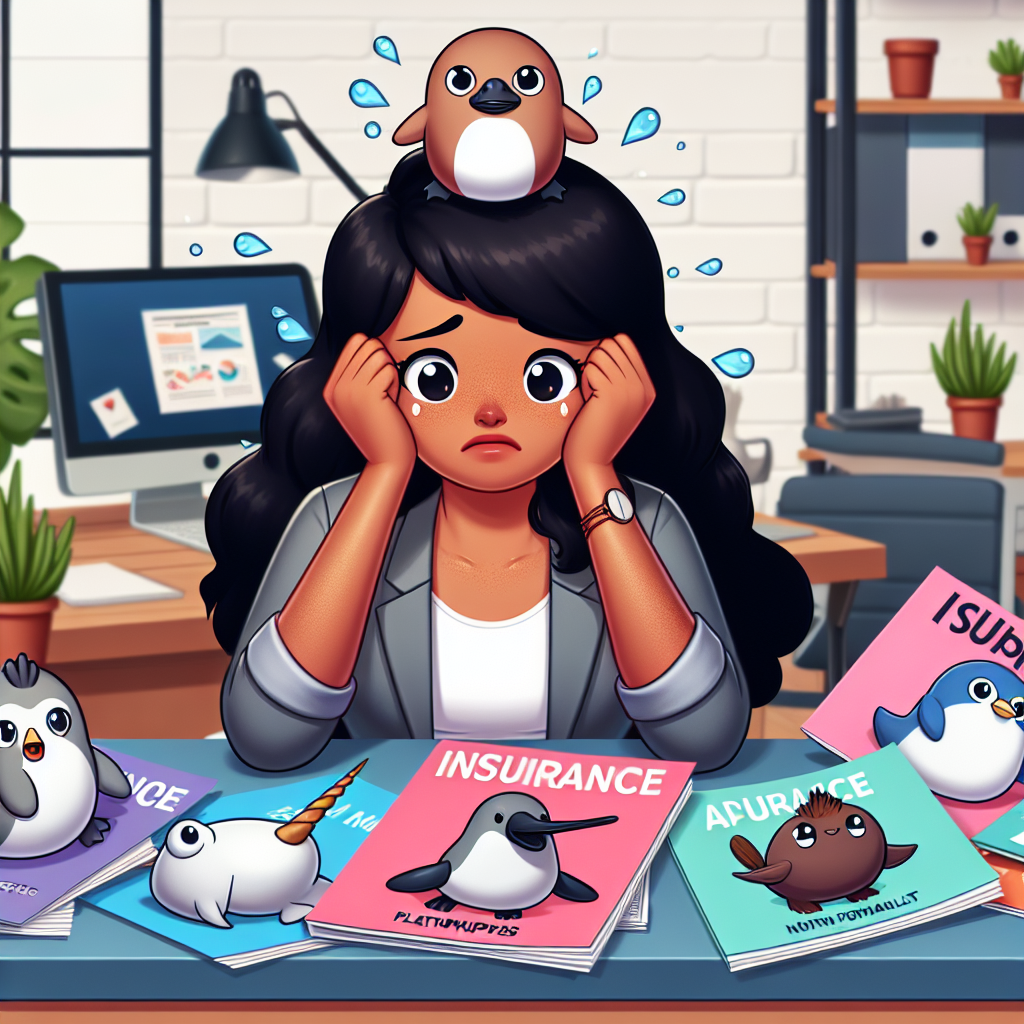
The creator economy has emerged as a significant force in the digital landscape, with projections estimating its value to reach $104 billion by 2025. This growth is driven by platforms such as TikTok, YouTube, and Instagram, which have enabled individuals to monetize their content and build personal brands. However, as the demand for continuous content creation intensifies, the risk of burnout among creators has become a pressing concern.
Understanding Burnout in the Creator Economy
Burnout is increasingly recognized as a prevalent issue within the creator community, with studies indicating that approximately 45% of content creators experience burnout at some point in their careers. The relentless pressure to produce engaging content, coupled with the need to maintain a strong online presence, can lead to significant emotional and mental strain. This has prompted a growing interest in solutions that address the mental health challenges faced by creators.
Emergence of Burnout Insurance
In response to this emerging need, innovative startups are beginning to offer specialized insurance products aimed at mitigating the risks associated with creator burnout. One such company has introduced a burnout prevention policy tailored specifically for digital creators. This product seeks to provide a safety net for individuals engaged in high-stress content creation, allowing them to focus on their craft without the fear of compromising their mental health.
Market Trends and Business Model Viability
The introduction of burnout insurance represents a significant shift in the insurance landscape, particularly as it pertains to the gig economy and freelance work. Traditional insurance models often overlook the unique challenges faced by digital creators, making this niche market ripe for innovation. By offering products that cater specifically to the needs of creators, companies can tap into a growing demographic that values mental health and well-being.
- Target Audience: The primary audience for burnout insurance includes influencers, content creators, and freelancers who rely on digital platforms for income. This demographic is characterized by its diverse range of content types, from video production to social media marketing.
- Revenue Potential: As the creator economy expands, so too does the potential for revenue generation through specialized insurance products. Companies that can effectively market their offerings to this audience stand to benefit from a lucrative market.
- Partnership Opportunities: Collaborations with mental health organizations and digital platforms could enhance the credibility and reach of burnout insurance products, fostering a supportive ecosystem for creators.
Adoption Risks and Investor Diligence
While the concept of burnout insurance is promising, several risks must be considered. The primary challenge lies in the adoption of such products among creators, who may be hesitant to invest in insurance solutions that they perceive as unnecessary or overly complex. Additionally, the insurance industry is heavily regulated, and startups must navigate these complexities to ensure compliance and build trust with potential customers.
Investors looking to fund startups in this space should conduct thorough due diligence, assessing the viability of the business model, the scalability of the product, and the team's expertise in both insurance and the creator economy. Understanding the nuances of the target market will be crucial for success.
Strategic Considerations for Founders
For founders entering the burnout insurance market, a clear strategy is essential. This includes:
- Market Research: Conducting comprehensive research to understand the specific needs and pain points of creators will inform product development and marketing strategies.
- Brand Positioning: Establishing a brand that resonates with creators and emphasizes the importance of mental health can foster loyalty and trust.
- Community Engagement: Building a community around the product, including partnerships with creators and mental health advocates, can enhance visibility and credibility.
Conclusion
The rise of burnout insurance in the creator economy reflects a broader recognition of the mental health challenges faced by individuals in this space. As the demand for content continues to grow, so too does the need for solutions that support creators' well-being. Startups that can effectively address these challenges through innovative insurance products are well-positioned to succeed in a rapidly evolving market.
Editor's note: This article is original market analysis and not investment advice.
What's Your Reaction?
 Like
0
Like
0
 Dislike
0
Dislike
0
 Love
0
Love
0
 Funny
0
Funny
0
 Angry
0
Angry
0
 Sad
0
Sad
0
 Wow
0
Wow
0