
The Rise of Automation in the Fast Food Industry: Analyzing Market Trends and Investment Opportunities
The Rise of Automation in the Fast Food Industry: Analyzing Market Trends and Investment Opportunities By Startup Korea Research Desk | Apr 23, 2026 The fast food industry is undergoing a significant transformation, driven by advancements in aut...

The Rise of Automation in the Fast Food Industry: Analyzing Market Trends and Investment Opportunities
By Startup Korea Research Desk | Apr 23, 2026
The fast food industry is undergoing a significant transformation, driven by advancements in automation and artificial intelligence. As consumer preferences shift towards convenience and efficiency, startups are emerging to capitalize on these trends, promising to redefine the dining experience. One notable player in this space has recently secured substantial funding, signaling strong investor confidence in the future of automated food services.
Market Context: The Growth of Food Tech
The food tech sector is projected to reach $200 billion by 2027, fueled by innovations in robotics and AI. This growth is largely attributed to changing consumer behaviors, particularly among younger demographics. Recent surveys indicate that approximately 70% of millennials prefer food delivery over traditional dining experiences. This shift highlights a growing demand for services that prioritize speed and convenience, creating a fertile ground for automated solutions.
Business Models: Automation in Food Preparation and Delivery
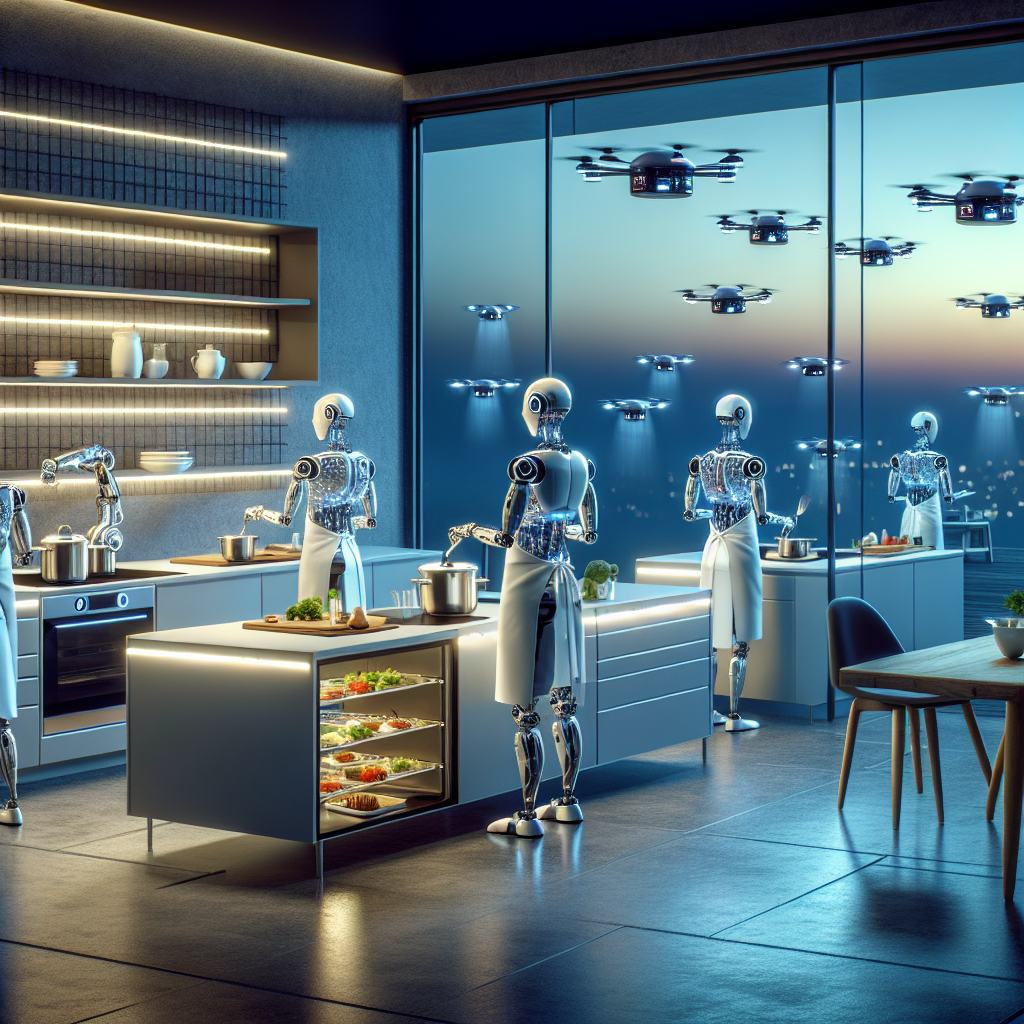
Startups are increasingly exploring the integration of robotics in both food preparation and delivery. Automated kitchen systems are designed to produce a variety of meals with minimal human intervention, promising consistency and efficiency. These innovations not only reduce labor costs but also aim to enhance the overall customer experience by minimizing wait times.
- Robotic Kitchen Systems: These systems can prepare a range of menu items, from burgers to gourmet salads, with precision and speed. The potential for scalability is significant, as these systems can be deployed in multiple locations without the need for extensive training programs for staff.
- AI-Powered Delivery: Automated delivery solutions leverage AI to optimize routes, ensuring timely arrival of meals. This technology can reduce operational costs associated with human drivers, while also addressing challenges related to delivery logistics.
Investment Landscape: Confidence in Automation
The recent influx of funding into automated food service startups reflects a broader trend of investor interest in technology-driven solutions. Investors are increasingly recognizing the potential for automation to disrupt traditional business models in the food industry. However, due diligence is essential, as the market is still in its early stages, and the long-term viability of these business models remains to be seen.
Challenges and Risks: Navigating the Automation Landscape
While the prospects for automation in fast food are promising, several challenges must be addressed. Critics raise concerns about the potential loss of jobs in the food service sector, as automation could lead to significant workforce reductions. Additionally, the reliance on technology introduces risks related to system failures and cybersecurity threats, which could impact service reliability.
Moreover, consumer acceptance of automated services is not guaranteed. While many consumers appreciate the convenience of delivery and automated preparation, there may be resistance to fully automated dining experiences. Understanding consumer sentiment and adapting to their preferences will be crucial for the success of these ventures.
Strategic Considerations for Founders
For founders in the food tech space, developing a robust strategy that addresses both operational efficiency and consumer engagement is vital. Key considerations include:
- Consumer Education: As automation becomes more prevalent, educating consumers about the benefits of these technologies can help alleviate concerns and build trust.
- Partnerships: Collaborating with established food brands or delivery platforms can provide valuable insights and enhance market reach.
- Flexibility: Adapting business models to incorporate both automated and traditional service options may appeal to a broader audience.
Conclusion: The Future of Fast Food
The integration of robotics and AI into the fast food industry represents a significant shift towards automation, driven by changing consumer preferences and technological advancements. While the potential for growth is substantial, navigating the associated risks will require careful planning and execution. As the market evolves, startups that can effectively balance efficiency with consumer engagement are likely to emerge as leaders in this new landscape.
Editor's note: This is original market analysis and not investment advice.
What's Your Reaction?
 Like
0
Like
0
 Dislike
0
Dislike
0
 Love
0
Love
0
 Funny
0
Funny
0
 Angry
0
Angry
0
 Sad
0
Sad
0
 Wow
0
Wow
0