

The Loneliness Economy: Market Trends and the Role of Biomimetic Robotics
The Loneliness Economy: Market Trends and the Role of Biomimetic Robotics By Startup Korea Research Desk | Apr 05, 2026 The concept of the 'Loneliness Economy' has gained significant traction in recent years, particularly in the wake of the COVI...


The Loneliness Economy: Market Trends and the Role of Biomimetic Robotics
By Startup Korea Research Desk | Apr 05, 2026
The concept of the 'Loneliness Economy' has gained significant traction in recent years, particularly in the wake of the COVID-19 pandemic, which has exacerbated feelings of isolation among individuals. This emerging market presents a unique opportunity for innovation, particularly through the development of technologies aimed at alleviating loneliness. One such innovation is the rise of biomimetic robots, which are designed to replicate human interaction and companionship.
Understanding the Loneliness Economy
Recent studies indicate that a substantial portion of the population, particularly in the United States, has reported increased feelings of loneliness. For instance, surveys from 2023 show that nearly 60% of Americans experienced loneliness, a figure that has been on the rise since the pandemic. This trend has led to a burgeoning market for products and services that aim to address social isolation.
From virtual reality experiences to pet therapy, various solutions have emerged to combat loneliness. However, the introduction of biomimetic robots represents a significant leap forward in this sector. These robots are designed not only to mimic human behavior but also to provide companionship that may alleviate feelings of isolation.
Investment Trends in Loneliness-Curbing Technologies
The investment landscape surrounding technologies aimed at reducing loneliness is rapidly evolving. In 2025, the sector attracted over $1.2 billion in funding, marking a 75% increase year-over-year. This surge in investment highlights the growing recognition of loneliness as a pressing social issue and the potential for technology to address it.
Corporate venture capital firms are increasingly interested in diversifying their portfolios by investing in companies that align with this trend. The intersection of loneliness and technological innovation presents a lucrative opportunity for investors, although it also comes with inherent risks.
Biomimetic Robots: A New Frontier
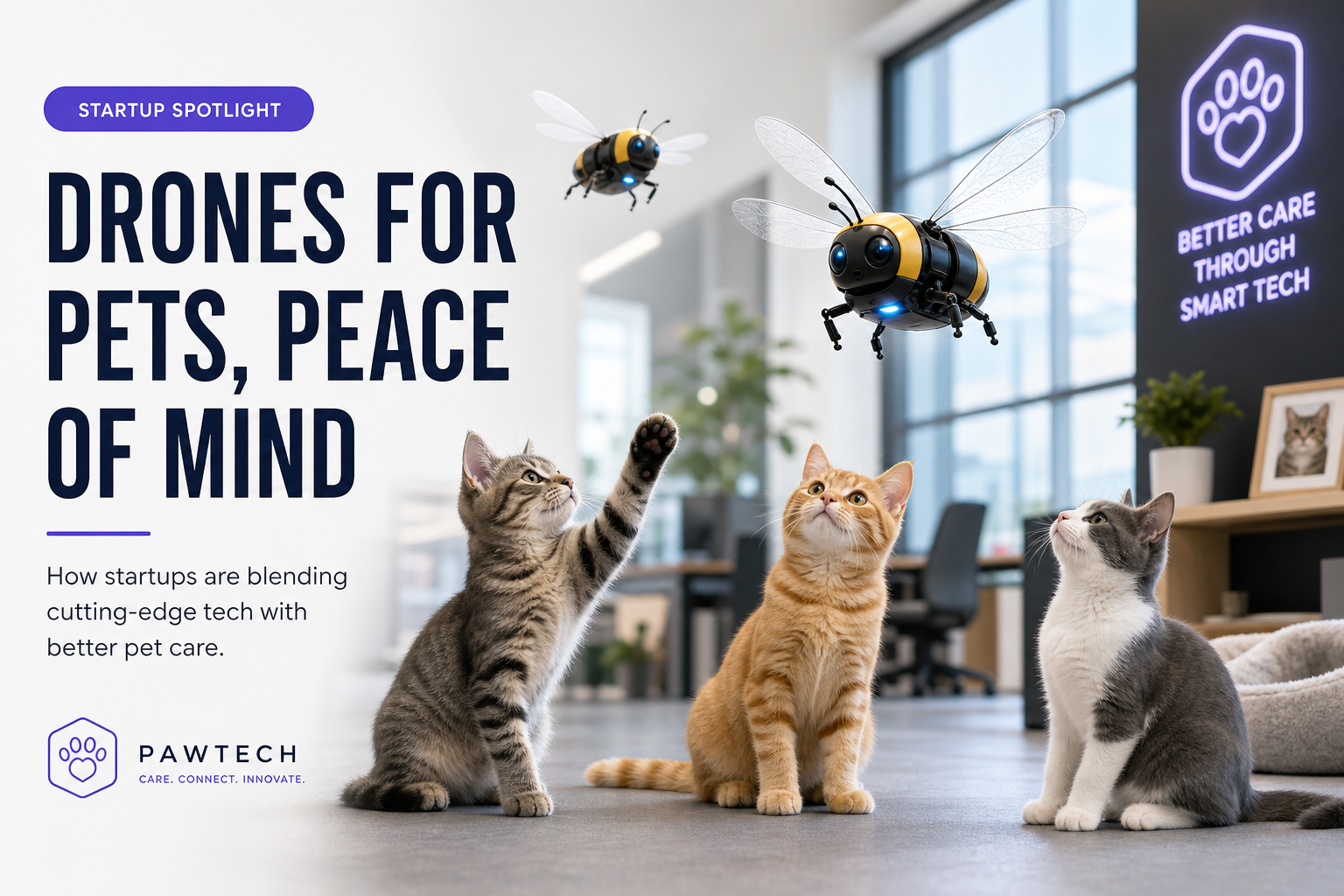
Biomimetic robots are at the forefront of this emerging market. These robots are designed to provide companionship and support, potentially transforming how individuals experience social interaction. By embedding elements of human interaction into robotic companions, companies aim to create products that resonate with users on an emotional level.
However, the adoption of such technology is not without its challenges. While the concept of robotic companionship may appeal to some, there are concerns regarding the emotional and psychological implications of relying on robots for social interaction. Investors must conduct thorough due diligence to assess the viability of these products in the market.
Risks and Considerations for Investors
Investors looking to enter the loneliness economy must consider several factors:
- Market Demand: Understanding the target demographic and their willingness to adopt robotic companions is crucial. While some may embrace the technology, others may resist it due to cultural or personal preferences.
- Technological Feasibility: The development of effective biomimetic robots requires significant investment in research and development. Investors should evaluate the technological capabilities of startups in this space.
- Regulatory Environment: As with any emerging technology, regulatory considerations will play a role in the adoption of biomimetic robots. Investors should stay informed about potential regulations that could impact the market.
- Ethical Implications: The ethical considerations surrounding the use of robots for companionship must be addressed. Investors should consider the long-term societal impacts of such technologies.
Strategic Approaches for Founders
For founders in the biomimetic robotics space, developing a clear strategy is essential. This includes:
- Identifying Target Markets: Founders should focus on specific demographics that may benefit from robotic companionship, such as the elderly or individuals living alone.
- Building Partnerships: Collaborating with healthcare providers, mental health organizations, and technology firms can enhance product development and market reach.
- Emphasizing User Experience: Creating a seamless and emotionally resonant user experience will be critical for adoption. Founders should prioritize user feedback in the development process.
- Addressing Ethical Concerns: Proactively addressing potential ethical concerns can build trust with consumers and investors alike.
Conclusion
The loneliness economy represents a significant opportunity for innovation and investment. As biomimetic robots gain traction, understanding market trends, investment risks, and strategic approaches will be crucial for stakeholders in this emerging sector. While the potential for growth is substantial, careful consideration of the associated challenges will be essential for long-term success.
Editor's note: This article is original market analysis and not investment advice.
What's Your Reaction?
 Like
0
Like
0
 Dislike
0
Dislike
0
 Love
0
Love
0
 Funny
0
Funny
0
 Angry
0
Angry
0
 Sad
0
Sad
0
 Wow
0
Wow
0