




The Intersection of Urban Agriculture and Governance: Analyzing the Market Potential
The Intersection of Urban Agriculture and Governance: Analyzing the Market Potential By Startup Korea Research Desk | Apr 11, 2026 The convergence of urban agriculture and digital governance represents a unique opportunity in the startup ecosyst...

The Intersection of Urban Agriculture and Governance: Analyzing the Market Potential
By Startup Korea Research Desk | Apr 11, 2026
The convergence of urban agriculture and digital governance represents a unique opportunity in the startup ecosystem. Recent investments in innovative platforms that merge these two domains highlight a growing trend among urban dwellers who prioritize sustainability and community engagement. This analysis explores the market dynamics, business model viability, and potential risks associated with this emerging sector.
Market Dynamics: Urban Agriculture Growth
The global urban agriculture market is projected to reach approximately $400 billion by 2030. This growth is driven by increasing consumer awareness regarding food security, sustainability, and the environmental impact of traditional farming practices. Urban agriculture not only addresses food supply concerns but also promotes local economies and reduces carbon footprints associated with food transportation.
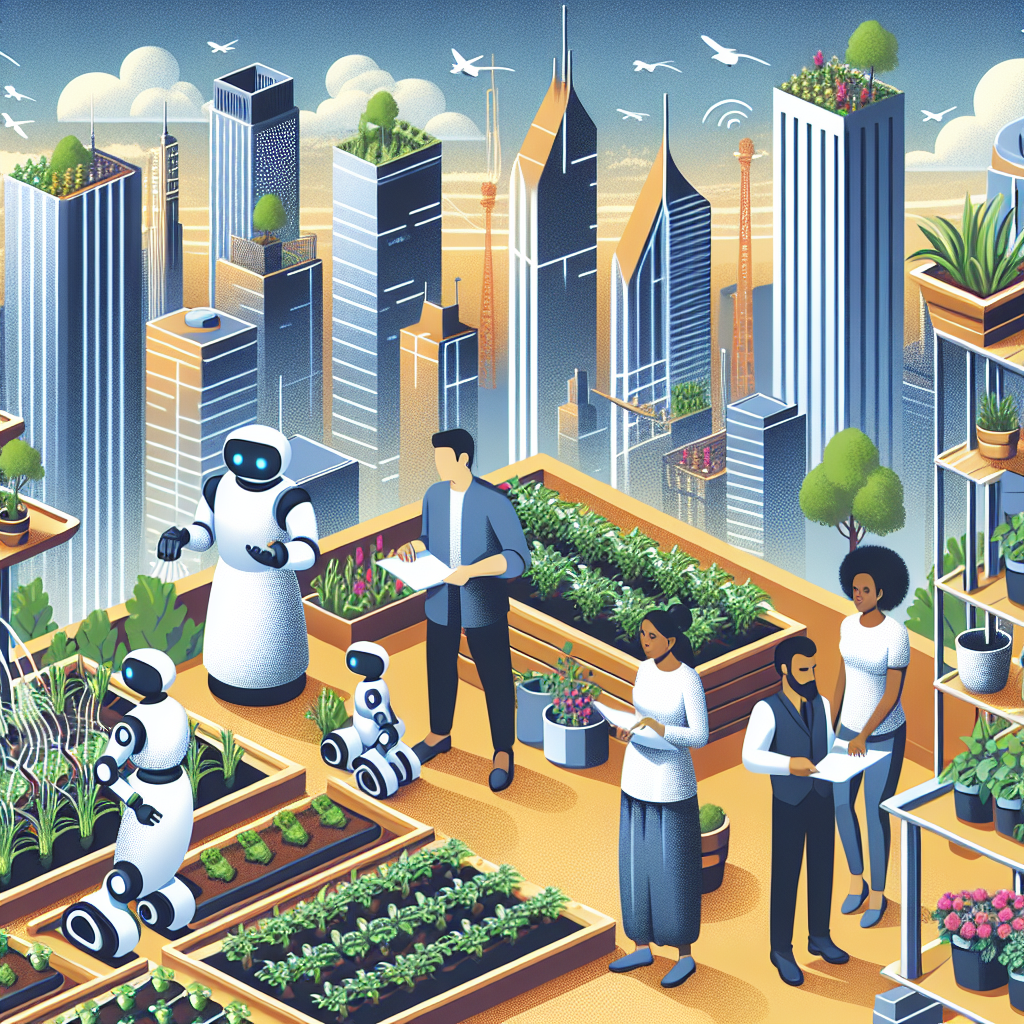
As urban populations continue to swell, the demand for locally sourced food is expected to rise. This trend presents a significant opportunity for startups focused on urban farming solutions, particularly those that leverage technology to enhance productivity and efficiency. Innovations such as vertical farming, hydroponics, and automated farming systems are gaining traction, allowing urban residents to cultivate food in limited spaces.
The Role of Digital Governance
Simultaneously, the concept of digital governance in multi-family housing units is gaining momentum. Platforms that facilitate resident engagement and decision-making processes are becoming increasingly popular. These platforms allow residents to participate in community governance, thereby fostering a sense of ownership and accountability.
The integration of digital governance with urban agriculture can create a unique value proposition. By enabling residents to vote on agricultural choices—such as which crops to grow—startups can enhance community involvement while promoting sustainable practices. This dual focus on food production and democratic engagement resonates with a demographic that values both sustainability and participatory governance.
Investment Trends and Opportunities
Investors are showing a keen interest in startups that combine urban agriculture with digital governance. The recent funding rounds for companies in this space indicate a willingness to back innovative ideas that challenge traditional models. Investors are particularly drawn to the potential for scalable solutions that address pressing urban challenges.
- Market Viability: Startups that can demonstrate a clear path to profitability through subscription models, community engagement, or partnerships with local governments are likely to attract further investment.
- Technological Integration: Companies that leverage technology to streamline operations, enhance user experience, and improve agricultural outcomes will have a competitive edge.
- Social Impact: Startups emphasizing social responsibility and community benefits are more likely to resonate with investors who prioritize ESG (Environmental, Social, and Governance) criteria.
Challenges and Risks
Despite the promising landscape, several challenges and risks must be considered. The feasibility of implementing a democratic voting process within shared housing models raises questions about engagement and participation. Critics argue that the complexity of managing both agricultural decisions and community governance could lead to disengagement among residents.
Moreover, the operational challenges associated with urban farming—such as resource allocation, crop management, and technology integration—can be significant. Startups must navigate these hurdles while ensuring that their business models remain sustainable and scalable.
Additionally, the potential for market saturation in urban agriculture could pose risks for new entrants. As more players emerge, differentiation will be crucial for long-term success. Startups must focus on unique value propositions and effective marketing strategies to stand out in a crowded marketplace.
Strategic Considerations for Founders
For founders looking to enter this space, a clear strategy is essential. Understanding the target demographic and their preferences will be critical in shaping product offerings and marketing approaches. Engaging with potential users early in the development process can provide valuable insights and foster community buy-in.
Furthermore, establishing partnerships with local governments, agricultural organizations, and technology providers can enhance credibility and expand operational capabilities. Founders should also prioritize building a strong team with expertise in both agriculture and governance to navigate the complexities of this dual-focused model.
Conclusion
The intersection of urban agriculture and digital governance presents a compelling opportunity for innovation and investment. As urban populations continue to grow, the demand for sustainable food solutions and community engagement will likely increase. Startups that can effectively merge these two domains while addressing operational challenges will be well-positioned for success in this evolving market.
Editor's note: This analysis is original market research and is not intended as investment advice.
What's Your Reaction?
 Like
0
Like
0
 Dislike
0
Dislike
0
 Love
0
Love
0
 Funny
0
Funny
0
 Angry
0
Angry
0
 Sad
0
Sad
0
 Wow
0
Wow
0