
The Intersection of Nostalgia and Technology: Analyzing the Digital Twin Market in Food Tech
The Intersection of Nostalgia and Technology: Analyzing the Digital Twin Market in Food Tech By Startup Korea Research Desk | May 01, 2026 The food tech industry is undergoing a transformative phase, driven by technological advancements and chan...

The Intersection of Nostalgia and Technology: Analyzing the Digital Twin Market in Food Tech
By Startup Korea Research Desk | May 01, 2026
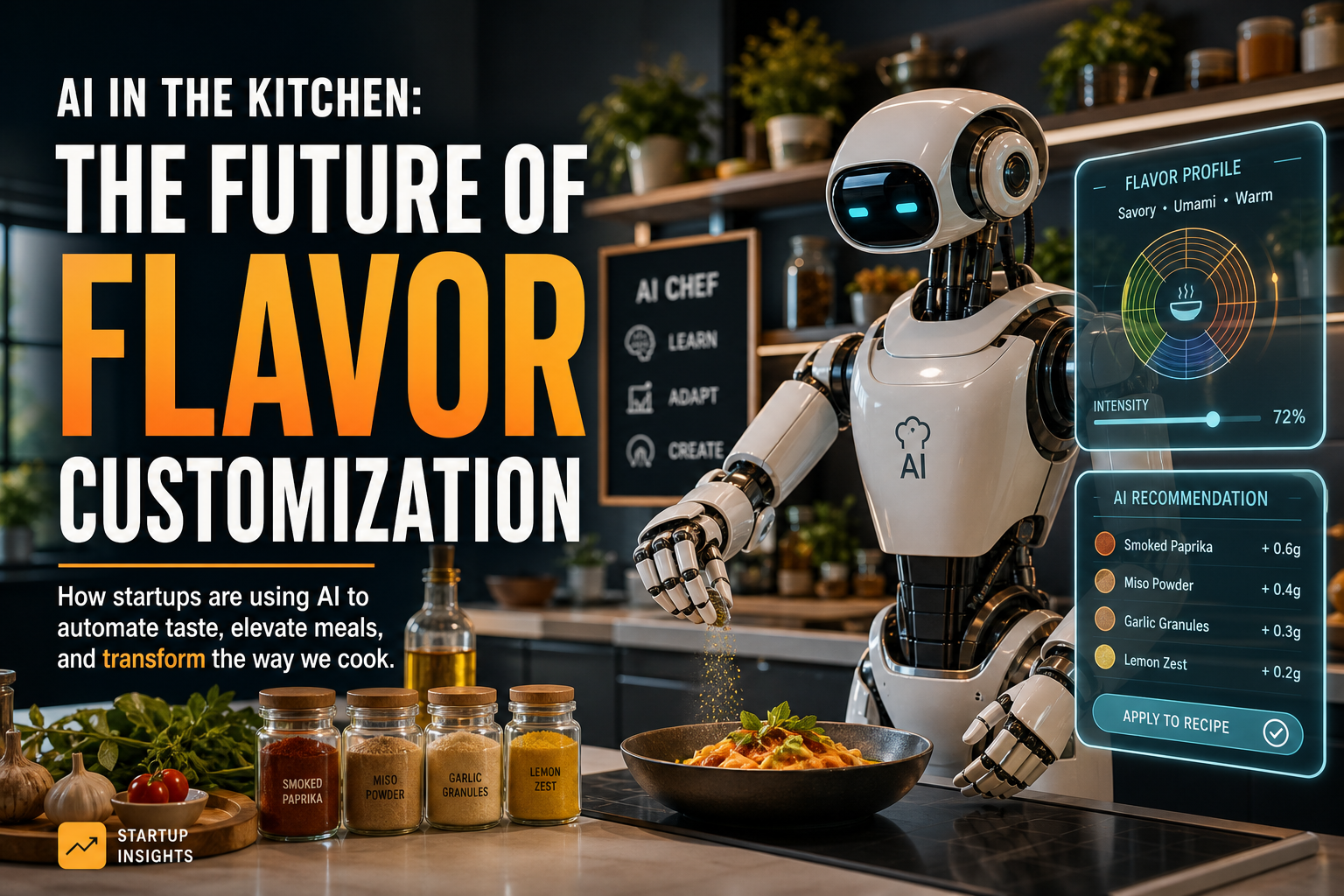
The food tech industry is undergoing a transformative phase, driven by technological advancements and changing consumer preferences. One of the most intriguing developments in this sector is the application of digital twin technology, which has the potential to reshape how culinary experiences are created and consumed. This analysis explores the market trends surrounding digital twins in food tech, the business models emerging from this intersection, and the associated risks and opportunities for investors and founders alike.
Understanding Digital Twin Technology
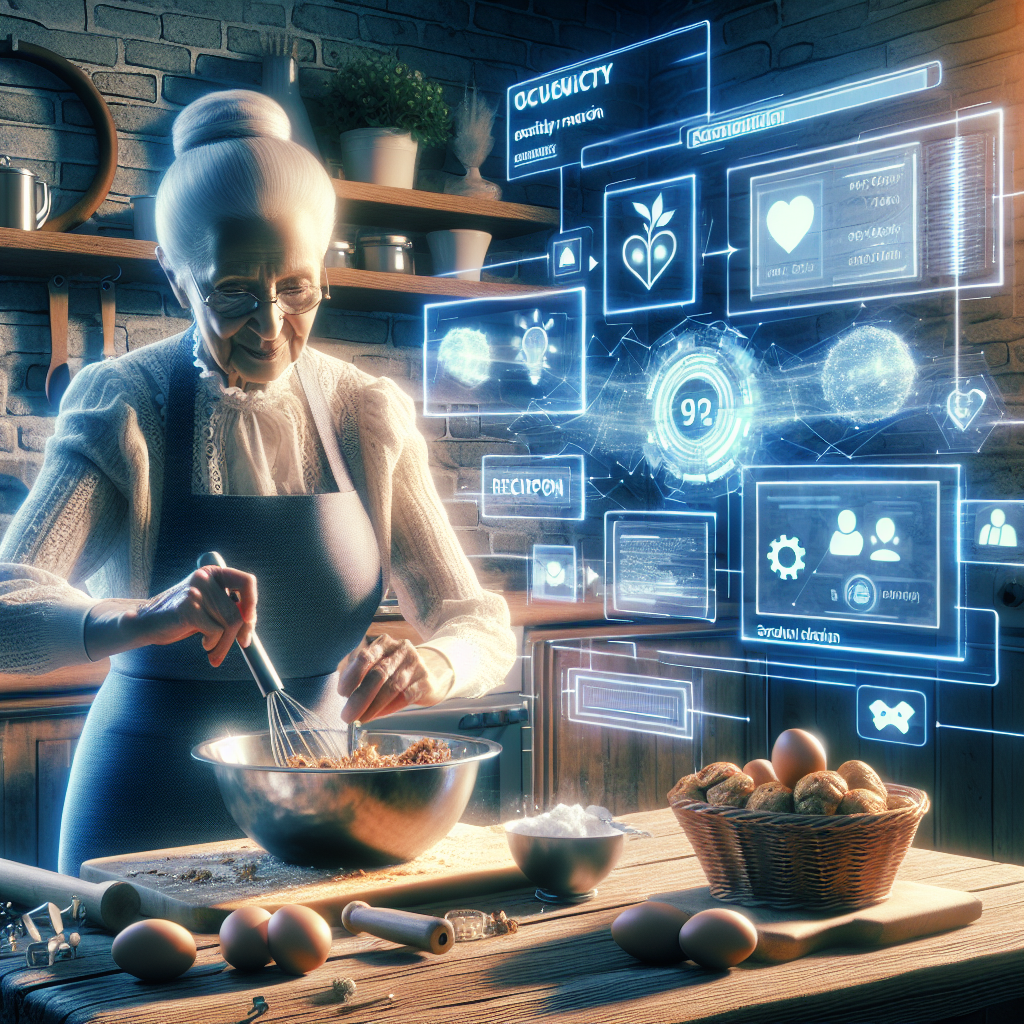
Digital twin technology involves creating a virtual representation of a physical object or system, allowing for real-time monitoring, analysis, and simulation. In the context of food tech, this technology can be utilized to recreate and optimize culinary experiences, offering consumers a unique blend of nostalgia and innovation. By digitizing traditional recipes, companies can preserve cultural heritage while also enhancing the cooking process through data-driven insights.
Market Trends and Consumer Behavior
The global food tech market has witnessed significant growth, with investments reaching approximately $22 billion in 2023, a 50% increase from the previous year. This surge can be attributed to a growing consumer demand for authenticity and emotional connections in food choices. As consumers increasingly seek out experiences that evoke nostalgia, the potential for digital twin technology to deliver on this desire becomes evident.
Market research indicates that the food tech sector is projected to reach $400 billion by 2028. This growth is fueled by the rise of food delivery services, meal kits, and innovative cooking technologies that cater to the evolving preferences of consumers. The nostalgia-driven segment of this market is particularly noteworthy, as it combines the warmth of traditional cooking with the allure of modern technology.
Business Model Quality and Innovation
Startups leveraging digital twin technology in food tech are exploring various business models, from subscription services offering personalized meal experiences to partnerships with established food brands. These models aim to capitalize on the emotional resonance of nostalgic cuisine while providing consumers with convenient and innovative solutions.
- Subscription Services: Companies may offer monthly subscriptions that provide customers with curated recipes and virtual cooking experiences, allowing them to recreate cherished meals at home.
- Collaborations with Chefs: Partnering with renowned chefs to develop exclusive digital twin recipes can enhance brand credibility and attract a broader audience.
- Data Monetization: By analyzing consumer preferences and cooking behaviors, startups can generate valuable insights that can be monetized through targeted marketing and partnerships.
Adoption Risks and Challenges
While the potential for digital twin technology in food tech is promising, several risks and challenges must be addressed. One significant concern is the complexity of accurately replicating traditional recipes while maintaining authenticity. The reliance on technology to recreate the nuances of homemade meals may not resonate with all consumers, particularly those who value the personal touch of traditional cooking.
Additionally, the market is becoming increasingly competitive, with numerous startups vying for attention and investment. Founders must differentiate their offerings and demonstrate the unique value of their digital twin solutions to attract both consumers and investors.
Investor Diligence and Strategic Considerations
For investors, the food tech sector presents a compelling opportunity, but due diligence is essential. Evaluating the scalability of a startup's business model, the strength of its technology, and the experience of its founding team are critical factors in assessing potential investments. Furthermore, understanding the regulatory landscape surrounding food technology and data privacy will be crucial as companies navigate the complexities of the industry.
Investors should also consider the long-term sustainability of nostalgia-driven products. While the current consumer trend favors nostalgic experiences, it is essential to evaluate whether this demand will persist or evolve in the coming years.
Conclusion
The integration of digital twin technology into the food tech sector represents a significant shift in how culinary experiences are created and consumed. As startups explore innovative business models that capitalize on nostalgia, they must navigate the associated risks and challenges to succeed in a competitive market. For investors, understanding the dynamics of this evolving landscape will be key to making informed decisions.
Editor's note: This analysis is original market research and does not constitute investment advice.
What's Your Reaction?
 Like
0
Like
0
 Dislike
0
Dislike
0
 Love
0
Love
0
 Funny
0
Funny
0
 Angry
0
Angry
0
 Sad
0
Sad
0
 Wow
0
Wow
0