
The Intersection of Nostalgia and Data in Food Technology: Market Insights
By Startup Korea Research Desk | Apr 13, 2026 The food technology sector is witnessing a notable shift as startups explore the intersection of nostalgia and data analytics. This trend is underscored by recent investments aimed at leveraging chil...

By Startup Korea Research Desk | Apr 13, 2026
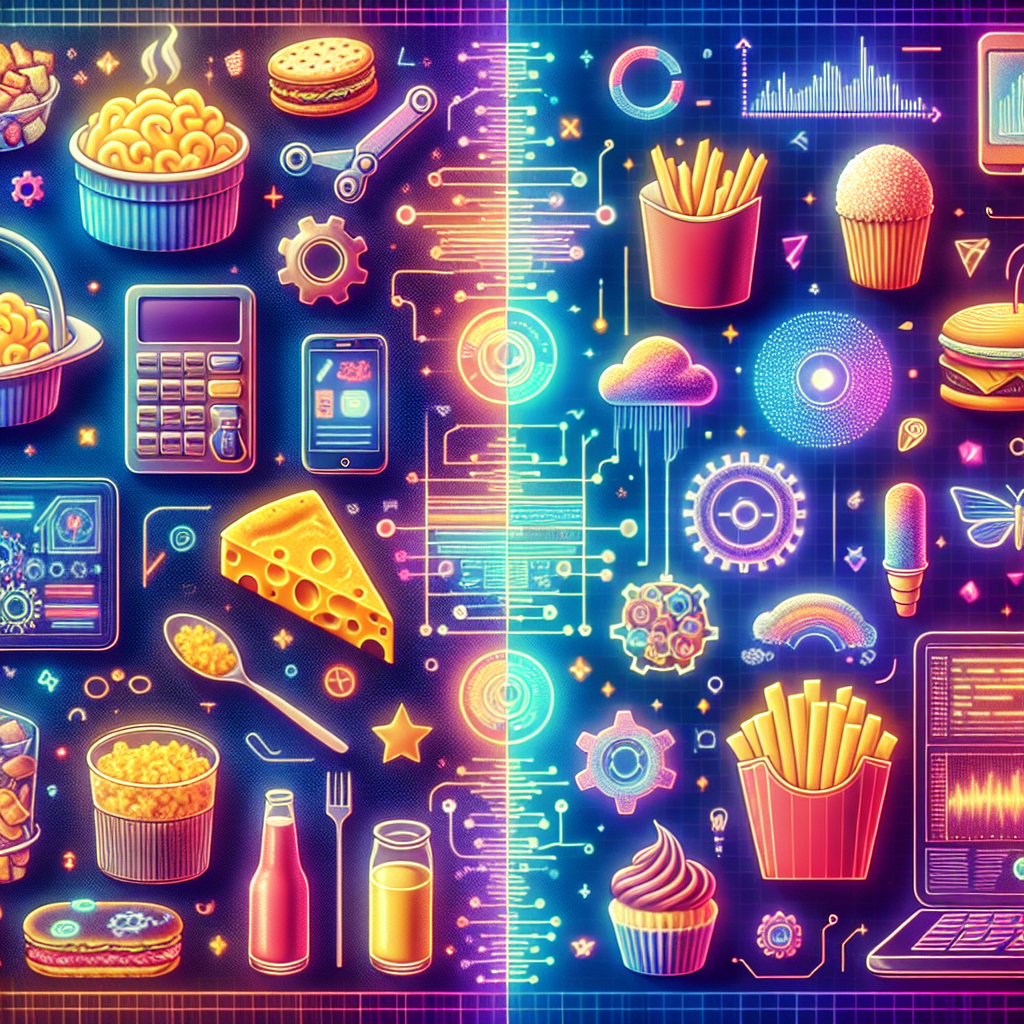
The food technology sector is witnessing a notable shift as startups explore the intersection of nostalgia and data analytics. This trend is underscored by recent investments aimed at leveraging childhood memories to enhance consumer dining experiences. With projections indicating a robust growth trajectory for the food tech market, it is essential to analyze the implications of this nostalgia-driven approach on business models, consumer behavior, and investment strategies.
Understanding the Nostalgia Factor
Recent studies suggest that over 70% of consumers acknowledge that nostalgia significantly influences their dining choices. This emotional connection to food can be a powerful driver of consumer behavior, leading startups to explore how to monetize these sentiments effectively. By tapping into the emotional resonance of childhood meals, companies aim to create unique dining experiences that resonate with consumers on a personal level.
Innovative Business Models
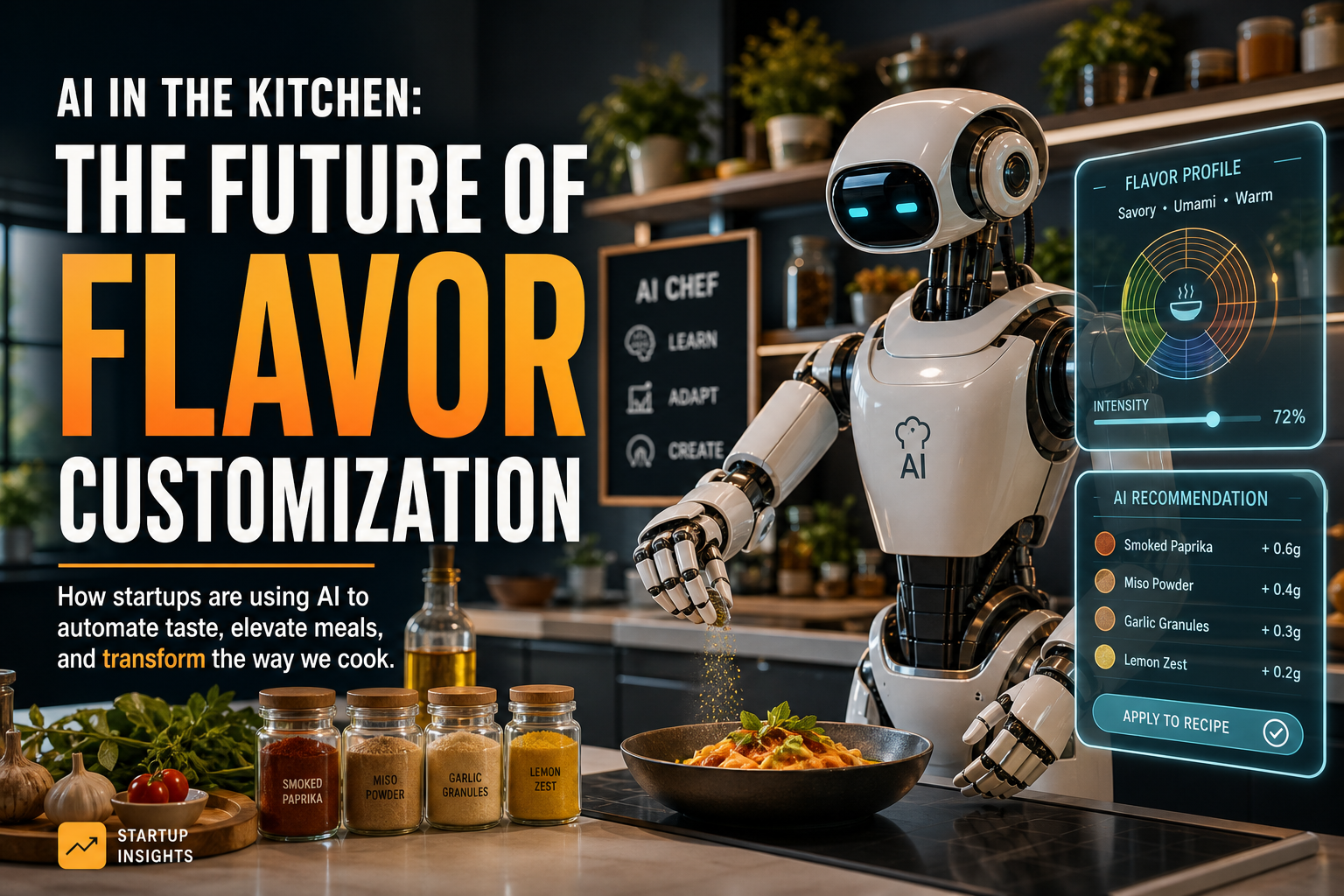
Startups in this space are increasingly adopting innovative business models that combine technology with emotional insights. For instance, some companies are developing algorithms that analyze consumer preferences based on nostalgic flavors, aiming to predict dining choices with high accuracy. This approach not only seeks to enhance customer satisfaction but also aims to establish brand loyalty through emotional engagement.
- Data-Driven Personalization: By utilizing artificial intelligence, companies can tailor dining experiences to individual preferences, enhancing the likelihood of repeat business.
- Subscription Services: Some startups are exploring subscription models that deliver nostalgic food experiences directly to consumers, capitalizing on the convenience factor while fostering emotional connections.
- Collaborations with Chefs: Partnering with renowned chefs to create limited-time nostalgic menus can drive consumer interest and create buzz around the brand.
Market Trends and Growth Potential
The food technology sector is projected to grow at an annual rate of 12%, potentially reaching $150 billion by 2030. This growth is fueled by increasing consumer interest in personalized dining experiences and the technological advancements that enable such innovations. As the market expands, startups that effectively harness the nostalgia factor may find themselves well-positioned to capture significant market share.
Investment Landscape
Venture capital interest in food tech is on the rise, with investors keen to support startups that demonstrate a clear understanding of consumer emotions and preferences. However, the investment landscape is not without its challenges. Investors must conduct thorough due diligence to assess the viability of nostalgia-driven business models. Key considerations include:
- Consumer Willingness to Pay: Investors need to evaluate whether consumers will pay a premium for nostalgic experiences or if they will revert to more cost-effective alternatives.
- Scalability: The ability of a startup to scale its operations while maintaining the quality of personalized experiences is crucial for long-term success.
- Market Saturation: As more players enter the nostalgia-driven food tech space, differentiation will be essential to avoid oversaturation and maintain consumer interest.
Challenges and Adoption Risks
While the nostalgia-driven approach presents exciting opportunities, it also comes with inherent risks. The challenge lies in balancing emotional engagement with practical dining experiences. Startups must ensure that their offerings do not become overly reliant on nostalgia at the expense of quality and innovation. Additionally, consumer preferences can be unpredictable, and trends may shift rapidly, necessitating agility in business strategies.
Strategic Considerations for Founders
For founders navigating this evolving landscape, a clear strategy is vital. Emphasizing consumer research and feedback can help refine product offerings and ensure alignment with market demands. Furthermore, building a strong brand narrative that resonates with consumers' emotional connections to food can enhance market positioning. Collaboration with industry experts and leveraging technology for data analysis will also be crucial in staying ahead of the competition.
In conclusion, the intersection of nostalgia and data analytics in the food technology sector presents both opportunities and challenges. As startups explore this innovative approach, understanding consumer behavior, refining business models, and conducting thorough market analysis will be essential for success in this dynamic landscape.
Editor's note: This is original market analysis and not investment advice.
What's Your Reaction?
 Like
0
Like
0
 Dislike
0
Dislike
0
 Love
0
Love
0
 Funny
0
Funny
0
 Angry
0
Angry
0
 Sad
0
Sad
0
 Wow
0
Wow
0