

The Intersection of Food Technology and SaaS: Analyzing Market Trends and Adoption Risks
The Intersection of Food Technology and SaaS: Analyzing Market Trends and Adoption Risks By Startup Korea Research Desk | May 01, 2026 The convergence of food technology and software as a service (SaaS) is reshaping the restaurant industry, pres...


The Intersection of Food Technology and SaaS: Analyzing Market Trends and Adoption Risks
By Startup Korea Research Desk | May 01, 2026
The convergence of food technology and software as a service (SaaS) is reshaping the restaurant industry, presenting both opportunities and challenges for stakeholders. As consumer preferences evolve and technological advancements accelerate, startups in this space are striving to enhance the dining experience through innovative solutions. This analysis explores the current market trends, potential risks associated with adoption, and the strategic considerations for founders and investors.
Market Trends in Food Technology
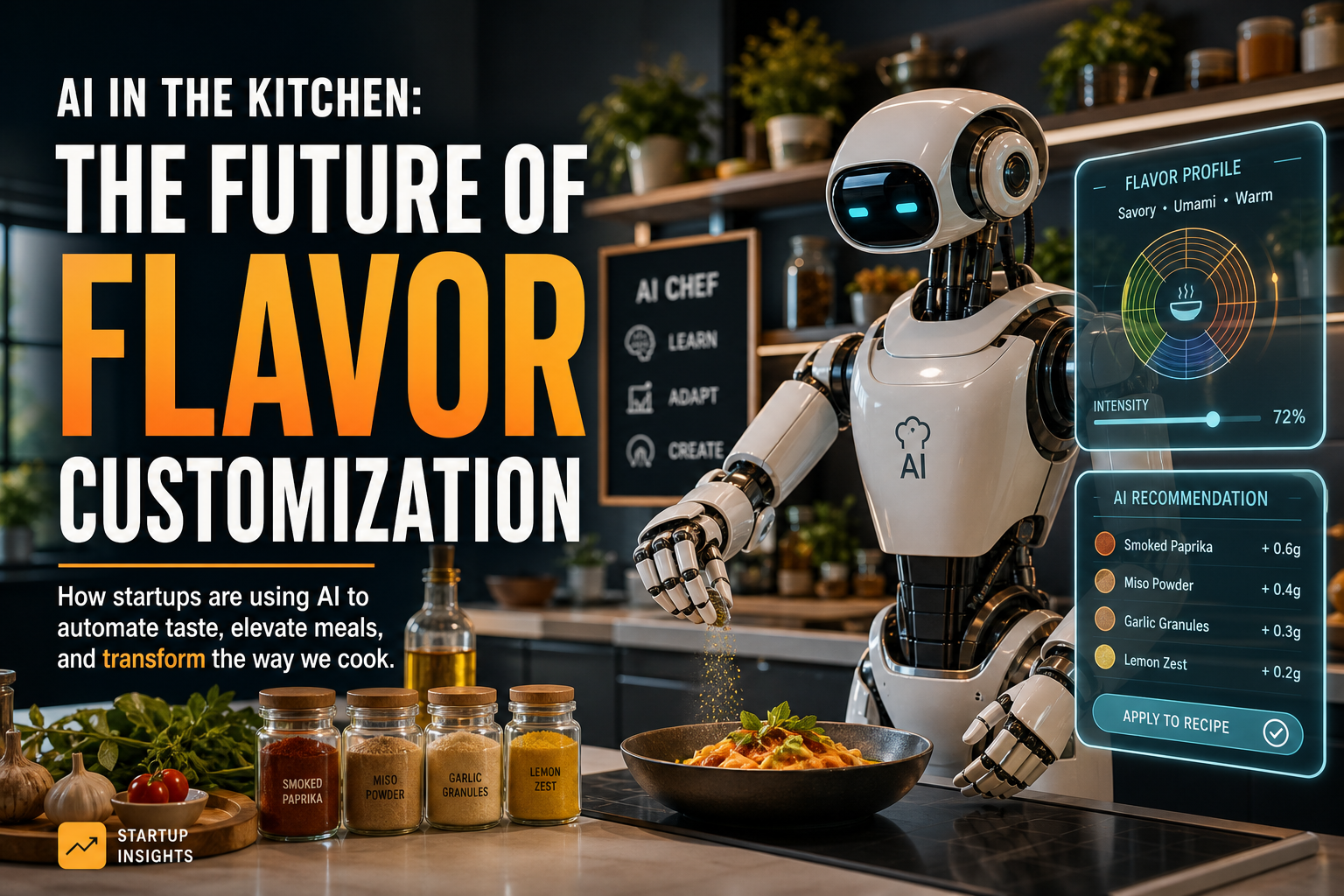
The food technology sector is witnessing significant growth, with projections estimating the market could reach $15 billion by 2028. This growth is driven by increasing consumer demand for enhanced dining experiences, convenience, and personalization. Startups are leveraging technology to create solutions that integrate various sensory elements into the dining experience, aiming to engage customers beyond traditional taste.
One notable trend is the rise of SaaS platforms designed specifically for the restaurant industry. These platforms often provide tools for managing reservations, optimizing menu offerings, and analyzing customer preferences. By utilizing data analytics, restaurants can tailor their services to meet the evolving needs of their clientele, thereby improving customer satisfaction and loyalty.
Innovative Business Models
Startups in the food tech space are exploring diverse business models that combine technology with culinary arts. For instance, some companies are developing platforms that allow users to experience multi-sensory dining through virtual reality or augmented reality applications. This approach not only enhances the dining experience but also serves as a marketing tool to attract tech-savvy consumers.
Another emerging model involves partnerships between tech companies and established restaurants. By collaborating, these entities can leverage each other's strengths—restaurants gain access to cutting-edge technology while tech firms benefit from the restaurant’s industry expertise and customer base. This symbiotic relationship can lead to innovative solutions that drive growth for both parties.
Adoption Risks and Challenges
Despite the promising outlook, there are inherent risks associated with the adoption of advanced food technologies. One significant concern is the potential for technology to detract from the authenticity of the dining experience. Critics argue that while technology can enhance certain aspects of dining, it may also create a disconnect between the chef and the customer, undermining the artistry and tradition of culinary practices.
Furthermore, the reliance on technology raises questions about accessibility and inclusivity. Not all consumers may be comfortable with or have access to the latest technological innovations, which could alienate certain segments of the market. Startups must consider these factors when developing their products and marketing strategies to ensure they do not inadvertently exclude potential customers.
Investor Diligence and Market Viability
For investors, diligence is crucial when evaluating startups in the food tech sector. Understanding the unique challenges and opportunities within this niche market is essential for making informed investment decisions. Investors should assess the scalability of a startup’s business model, the team’s expertise, and the technology’s potential to deliver a genuine value proposition to consumers.
Moreover, the competitive landscape is becoming increasingly crowded, with numerous players vying for market share. Investors must be cautious not to be swayed by hype and should focus on startups that demonstrate a clear understanding of their target audience and a viable path to profitability.
Strategic Considerations for Founders
Founders in the food tech space should prioritize building a strong brand identity that resonates with their target market. This involves not only offering innovative solutions but also communicating the value of their technology in enhancing the dining experience. Engaging with consumers through effective marketing strategies can help establish trust and credibility.
Additionally, founders should remain adaptable and open to feedback as they navigate the complexities of the market. Continuous improvement and iteration based on consumer insights can lead to more refined offerings that better meet the needs of the market.
Conclusion
The intersection of food technology and SaaS presents a dynamic landscape filled with opportunities for innovation and growth. However, stakeholders must remain vigilant about the potential risks associated with adoption and the importance of maintaining authenticity in the dining experience. As the market continues to evolve, strategic planning and a deep understanding of consumer preferences will be essential for success in this burgeoning sector.
Editor's note: This analysis is original market research and does not constitute investment advice.
What's Your Reaction?
 Like
0
Like
0
 Dislike
0
Dislike
0
 Love
0
Love
0
 Funny
0
Funny
0
 Angry
0
Angry
0
 Sad
0
Sad
0
 Wow
0
Wow
0