




The Intersection of Fintech and Digital Wellness: Analyzing Emerging Market Trends
The Intersection of Fintech and Digital Wellness: Analyzing Emerging Market Trends By Startup Korea Research Desk | May 18, 2026 The convergence of fintech and digital wellness services is an emerging trend that reflects broader shifts in consum...

The Intersection of Fintech and Digital Wellness: Analyzing Emerging Market Trends
By Startup Korea Research Desk | May 18, 2026
The convergence of fintech and digital wellness services is an emerging trend that reflects broader shifts in consumer behavior and market demands. As the global digital health market is projected to reach $660 billion by 2027, with a compound annual growth rate (CAGR) of 31.6%, and the fintech industry expected to grow to $460 billion by 2025, the potential for innovative business models that integrate these sectors is significant.
Market Context and Opportunities
The fintech sector has long been characterized by its focus on enhancing user experience and improving financial accessibility. Recent developments indicate a growing interest in integrating mental health and wellness services into financial platforms. This trend is driven by an increasing recognition of the importance of mental well-being in overall financial health. Startups that successfully combine these elements may find themselves at the forefront of a new market niche.
Innovative Business Models
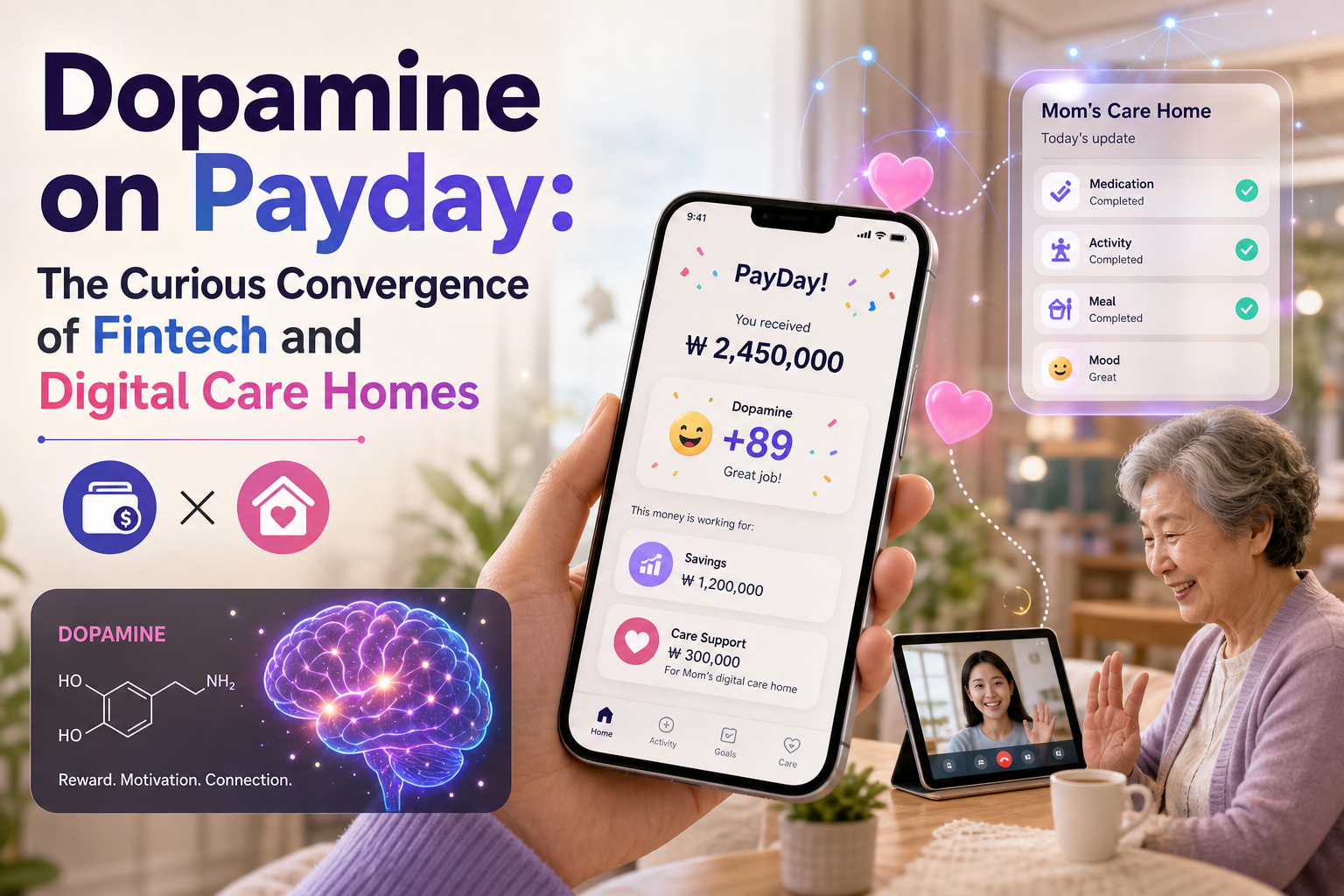
One notable example of this trend is the emergence of platforms that aim to enhance the payday experience by integrating wellness services. These platforms propose to not only facilitate salary disbursements but also offer mental health support, aiming to create a holistic approach to employee well-being. By doing so, they seek to address the psychological aspects of financial management, which can often lead to stress and anxiety.
- Enhanced User Experience: By combining financial transactions with wellness services, these platforms aim to create a more engaging user experience that resonates with consumers' emotional needs.
- Market Differentiation: Startups that successfully integrate these services may differentiate themselves in a crowded fintech market, attracting both users and investors.
- Potential for Scale: As awareness of mental health issues grows, the demand for integrated services is likely to increase, providing a scalable opportunity for innovative startups.
Adoption Risks and Challenges
While the potential for success in this emerging market is promising, there are several risks and challenges that need to be addressed. One of the primary concerns is the sustainability of such business models. Investors must conduct thorough due diligence to assess whether these platforms can deliver genuine value or if they are merely capitalizing on current trends.
Additionally, the integration of wellness services into financial platforms raises questions about regulatory compliance and data privacy. Startups must navigate complex legal frameworks while ensuring that user data is protected, which can be a significant hurdle for new entrants.
Investor Diligence and Market Viability
For investors, the key to navigating this evolving landscape lies in understanding the underlying business models and the actual demand for integrated services. It is crucial to evaluate whether these startups have a clear strategy for monetization and customer retention. Furthermore, assessing the founders' backgrounds and their ability to execute their vision is essential for determining the long-term viability of these ventures.
Investors should also consider the competitive landscape. As more companies explore the intersection of fintech and wellness, differentiation will become increasingly important. Startups that can articulate a compelling value proposition and demonstrate a clear understanding of their target market will be better positioned to attract investment and achieve sustainable growth.
Founder Strategy and Vision
For founders entering this space, a clear strategy is vital. This includes not only a well-defined business model but also a vision that resonates with consumers' evolving needs. Engaging with potential users to gather feedback and iterate on service offerings can help ensure that the platform remains relevant and effective.
Furthermore, building partnerships with established players in both the fintech and wellness sectors can provide valuable resources and credibility. Collaborations can enhance service offerings and expand market reach, ultimately contributing to the startup's success.
Conclusion
The intersection of fintech and digital wellness presents a unique opportunity for innovation and growth. As consumer expectations evolve, startups that can effectively integrate financial services with mental health support may find themselves well-positioned in a rapidly changing market. However, the path to success is fraught with challenges, and thorough market analysis, investor diligence, and strategic execution will be critical for navigating this complex landscape.
Editor's note: This is original market analysis and not investment advice.
What's Your Reaction?
 Like
0
Like
0
 Dislike
0
Dislike
0
 Love
0
Love
0
 Funny
0
Funny
0
 Angry
0
Angry
0
 Sad
0
Sad
0
 Wow
0
Wow
0