





The Intersection of Fashion and Technology: Analyzing the Rise of Thrift-Based Job Platforms
The Intersection of Fashion and Technology: Analyzing the Rise of Thrift-Based Job Platforms By Startup Korea Research Desk | Apr 16, 2026 The emergence of platforms that integrate fashion with job seeking represents a notable trend in the evolv...

The Intersection of Fashion and Technology: Analyzing the Rise of Thrift-Based Job Platforms
By Startup Korea Research Desk | Apr 16, 2026
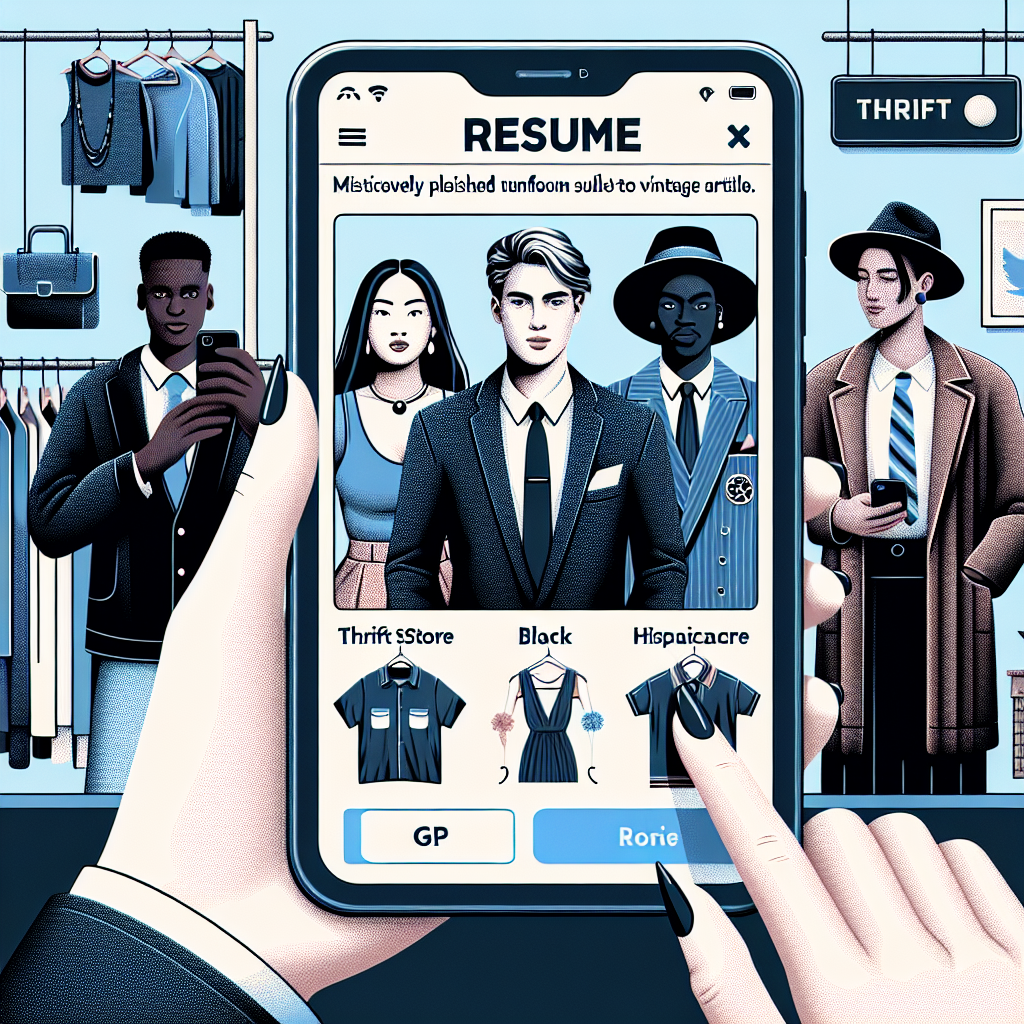
The emergence of platforms that integrate fashion with job seeking represents a notable trend in the evolving landscape of both industries. As sustainability becomes a focal point for consumers, particularly among younger demographics, startups are innovating ways to blend personal branding with eco-conscious choices. One such startup, which has recently gained attention, is developing a platform that allows job seekers to showcase their vintage wardrobes as part of their professional identity.
Market Context: The Growth of Second-Hand Apparel
The global second-hand apparel market is experiencing significant growth, projected to reach $64 billion by 2024. This surge is driven by a combination of factors, including increasing consumer awareness of sustainability, the rising popularity of thrift shopping, and the desire for unique fashion items. The resale fashion market has seen a remarkable 69% increase since 2021, indicating a shift in consumer behavior that prioritizes sustainability and individuality over fast fashion.
Business Model Analysis
The concept of integrating second-hand clothing into job applications introduces a novel business model that leverages both the fashion and employment sectors. By allowing users to present their vintage wardrobe as part of their qualifications, the platform aims to create a unique selling proposition that differentiates it from traditional job-seeking platforms. This approach not only appeals to environmentally conscious consumers but also taps into the growing trend of personal branding, where individuals seek to express their identity through their clothing choices.
Adoption Risks and Challenges
Despite the potential for innovation, there are inherent risks associated with this business model. One of the primary concerns is the perception of such a platform among employers. While some may appreciate the creativity and individuality that comes with showcasing a vintage wardrobe, others may question the relevance of clothing choices in assessing a candidate's qualifications and skills. This skepticism could hinder widespread adoption among both job seekers and employers.
Moreover, the technology utilized to enhance the user experience, such as Ultra-Wideband (UWB) mesh technology for locating garments, may present additional challenges. While cutting-edge technology can enhance user engagement, it also requires significant investment in development and maintenance. Startups must ensure that the technology is user-friendly and adds tangible value to the platform to avoid alienating potential users.
Investor Diligence and Market Viability
For investors, the intersection of fashion and technology presents both opportunities and challenges. The substantial investment secured by the startup indicates confidence in the market's potential. However, investors must conduct thorough due diligence to assess the viability of the business model and the scalability of the platform. Key considerations include the competitive landscape, potential partnerships with fashion brands, and the ability to attract a critical mass of users.
- Competitive Landscape: The startup will need to differentiate itself from existing job platforms and fashion resale sites to capture market share.
- Partnership Opportunities: Collaborations with fashion brands and influencers could enhance visibility and credibility.
- User Acquisition: Strategies for attracting both job seekers and employers will be crucial for the platform's success.
Founder Strategy and Vision
The founders of such startups must possess a clear vision that aligns with the values of their target audience. Emphasizing sustainability and individuality in their branding and marketing efforts can resonate with consumers who prioritize these attributes. Additionally, fostering a community around the platform can enhance user engagement and loyalty, encouraging users to share their experiences and promote the platform organically.
As the fashion industry continues to grapple with sustainability challenges, innovative solutions that merge technology with eco-conscious practices will likely gain traction. Startups that can effectively navigate the complexities of this intersection will be well-positioned to capitalize on emerging trends and consumer demands.
Conclusion
The rise of thrift-based job platforms highlights a significant shift in how individuals approach both fashion and career development. While the concept presents unique opportunities, it also comes with challenges that require careful consideration from both founders and investors. The success of such ventures will depend on their ability to resonate with consumers, leverage technology effectively, and navigate the evolving landscape of the job market.
Editor's note: This article provides original market analysis and is not intended as investment advice.
What's Your Reaction?
 Like
0
Like
0
 Dislike
0
Dislike
0
 Love
0
Love
0
 Funny
0
Funny
0
 Angry
0
Angry
0
 Sad
0
Sad
0
 Wow
0
Wow
0