
The Intersection of Culinary Automation and Health Technology: Market Analysis
The Intersection of Culinary Automation and Health Technology: Market Analysis By Startup Korea Research Desk | May 12, 2026 The convergence of culinary automation and healthcare diagnostics represents a burgeoning trend in the startup ecosystem...

The Intersection of Culinary Automation and Health Technology: Market Analysis
By Startup Korea Research Desk | May 12, 2026
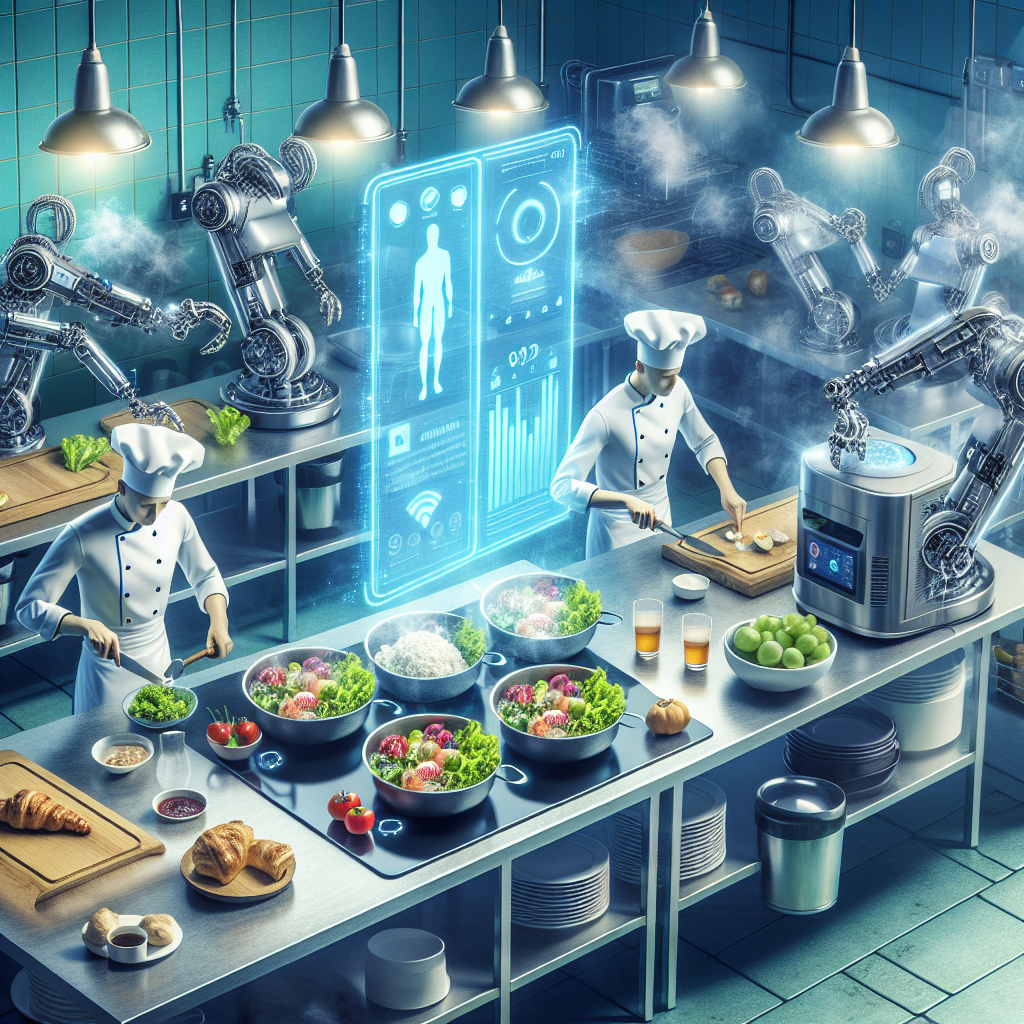
The convergence of culinary automation and healthcare diagnostics represents a burgeoning trend in the startup ecosystem. As technology continues to evolve, the integration of robotics in food preparation alongside artificial intelligence (AI) in health diagnostics is gaining traction. This analysis explores the implications of these developments, market trends, business model viability, and the associated risks for investors and founders.
Market Trends in Robotic Cooking
The global market for robotic cooking technology is projected to experience significant growth, with estimates suggesting it could reach $7.6 billion by 2030. This growth is driven by increasing consumer demand for convenience, personalization, and innovative dining experiences. The rise of food delivery services and the growing interest in health-conscious eating habits further fuel this trend.
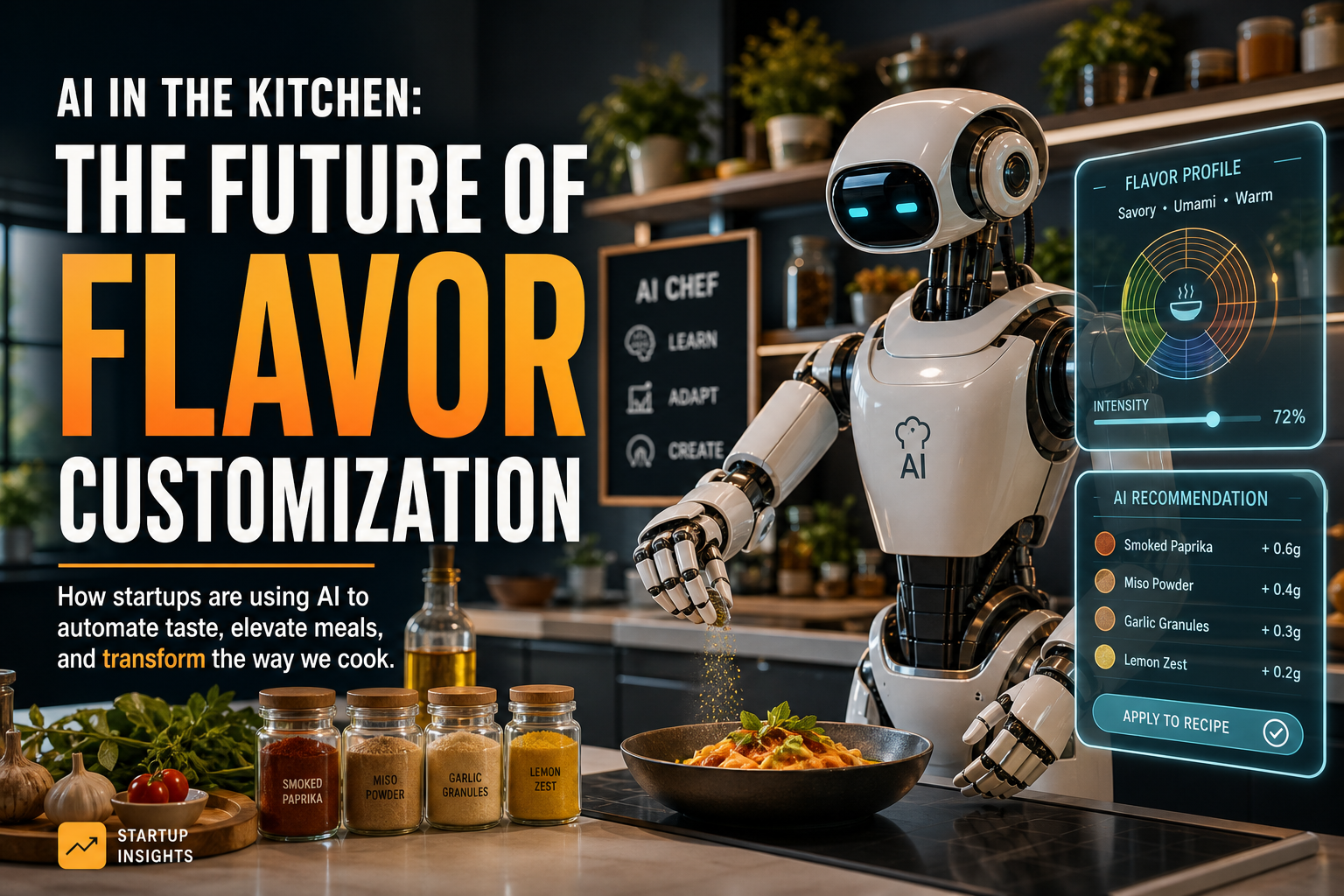
Robotic chefs are designed to automate meal preparation, offering a range of culinary options that can be customized to individual preferences and dietary requirements. As consumers seek out unique dining experiences, businesses that leverage robotic technology may find themselves at a competitive advantage.
Integration of AI in Health Diagnostics
Simultaneously, advancements in AI-driven health diagnostics are reshaping how individuals approach their well-being. The integration of AI in pathology allows for real-time health assessments, which can be particularly appealing in a world increasingly focused on preventive healthcare. This technology can analyze various health metrics, potentially providing users with insights into their nutritional needs and overall health status.
The fusion of these two domains—culinary automation and health diagnostics—presents a unique value proposition. Companies that can effectively combine these technologies may not only enhance the dining experience but also contribute to improved health outcomes for consumers.
Business Model Viability
The business models emerging from this intersection must be carefully evaluated for sustainability and scalability. Companies that offer robotic cooking solutions paired with health diagnostics need to ensure that their offerings are user-friendly and accessible. The complexity of integrating culinary and health technologies could pose challenges in terms of consumer adoption.
- Consumer Acceptance: There is a need to gauge consumer readiness for such innovations. Will customers embrace the idea of a robot preparing their meals while simultaneously providing health assessments?
- Regulatory Considerations: Health-related technologies are subject to stringent regulations. Companies must navigate these regulations to ensure compliance and build trust with consumers.
- Data Privacy: With health data being sensitive, businesses must prioritize data security and transparency to alleviate consumer concerns.
Investor Diligence
For investors, the convergence of culinary automation and health technology presents both opportunities and risks. While the novelty of such innovations can attract attention, due diligence is essential. Investors should consider the following factors:
- Market Research: Understanding consumer preferences and market dynamics is crucial. Investors should analyze trends and demand forecasts to assess the potential for growth.
- Competitive Landscape: Identifying key competitors and their strategies can provide insights into market positioning and differentiation.
- Financial Health: Evaluating the financial stability and funding history of startups in this space can help mitigate investment risks.
Founder Strategy
For founders looking to enter this market, a clear strategy is essential. This includes:
- Product Development: Focusing on creating a seamless user experience that integrates culinary and health technologies will be key to attracting consumers.
- Partnerships: Collaborating with healthcare providers and culinary experts can enhance credibility and broaden market reach.
- Marketing and Education: Educating consumers about the benefits of robotic cooking and health diagnostics will be vital for adoption.
Conclusion
The intersection of culinary automation and health technology is poised to reshape the dining experience and health management. As startups explore this innovative space, understanding market trends, business model viability, and the importance of investor diligence will be crucial for success. The potential for growth in this sector is significant, but it requires careful navigation of consumer acceptance, regulatory frameworks, and data privacy concerns.
Editor's note: This analysis is original market research and should not be construed as investment advice.
What's Your Reaction?
 Like
0
Like
0
 Dislike
0
Dislike
0
 Love
0
Love
0
 Funny
0
Funny
0
 Angry
0
Angry
0
 Sad
0
Sad
0
 Wow
0
Wow
0