
The Intersection of AI Dating Services and Urban Mobility Solutions: A Market Analysis
The Intersection of AI Dating Services and Urban Mobility Solutions: A Market Analysis By Startup Korea Research Desk | May 04, 2026 The startup ecosystem is continuously evolving, with innovative solutions emerging to address both personal and...

The Intersection of AI Dating Services and Urban Mobility Solutions: A Market Analysis
By Startup Korea Research Desk | May 04, 2026
The startup ecosystem is continuously evolving, with innovative solutions emerging to address both personal and societal challenges. A notable trend is the convergence of artificial intelligence (AI) in dating services and urban mobility optimization. This analysis explores the implications of this hybrid model, its market potential, and the factors influencing its adoption.
Emerging Business Models
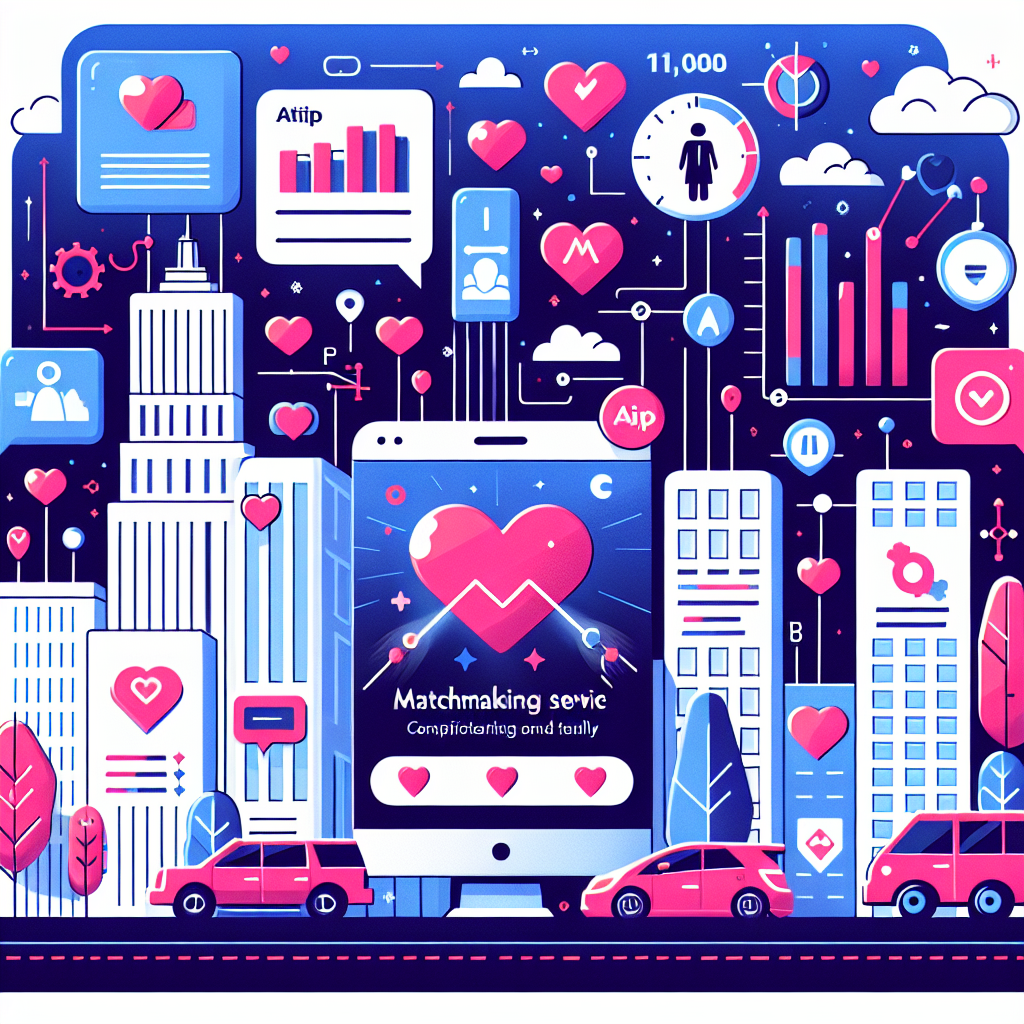
Recent developments in the startup landscape have introduced a new business model that combines AI-driven dating services with urban mobility solutions. This model seeks to enhance user experiences in both romantic engagements and transportation efficiency. By leveraging data analytics, these startups aim to optimize matchmaking processes while simultaneously addressing the logistical challenges faced by urban dwellers.
Market Trends and Growth Potential
The dating app market is projected to reach a valuation of approximately $9 billion by 2027, driven by increasing smartphone penetration and changing social norms regarding relationships. Concurrently, the urban mobility sector is expected to grow to around $200 billion within the same timeframe, fueled by the demand for efficient transportation solutions in densely populated areas.
The intersection of these two markets presents a unique opportunity for startups to innovate. By integrating AI dating services with urban mobility, companies can create a platform that not only facilitates romantic connections but also enhances the overall user experience by optimizing travel routes and reducing commute times.
Investment Landscape
The current investment climate is favorable for startups that demonstrate a clear value proposition in addressing everyday challenges. Investors are increasingly interested in companies that can monetize aspects of daily life, particularly those that tap into emotional and social needs. The potential for significant returns is enticing, as early-stage investors recognize the scalability of solutions that blend personal and logistical elements.
For instance, a startup that successfully combines dating services with mobility solutions could see rapid user adoption, especially in urban centers where both dating and commuting are integral to daily life. This dual focus could lead to enhanced customer loyalty and increased revenue streams through subscription models, partnerships, and targeted advertising.
Adoption Risks and Challenges
Despite the promising outlook, several risks and challenges could impact the successful adoption of this hybrid model. Firstly, user skepticism regarding the effectiveness of AI in personal relationships may hinder initial uptake. Many individuals value genuine human connection and may be hesitant to embrace a data-driven approach to dating.
Moreover, privacy concerns surrounding data collection and usage are paramount. Users must be assured that their personal information is handled securely and ethically. Startups must navigate these concerns by implementing robust data protection measures and transparent policies.
Additionally, the competitive landscape in both dating and mobility sectors is intense. Established players with significant market share may pose a challenge to new entrants, necessitating innovative marketing strategies and unique value propositions to differentiate from competitors.
Strategic Considerations for Founders
For founders looking to enter this burgeoning market, a clear strategic vision is essential. Understanding the nuances of both the dating and mobility sectors will be critical in developing a product that resonates with users. Founders should prioritize user feedback and continuously refine their offerings based on real-world experiences.
Furthermore, establishing partnerships with urban mobility providers could enhance service offerings and provide additional value to users. Collaborations with transportation companies may facilitate seamless integration of services, making it easier for users to navigate both dating and commuting.
Conclusion
The convergence of AI dating services and urban mobility solutions represents a significant trend in the startup ecosystem. With the potential for substantial market growth and investment opportunities, this hybrid model could redefine how individuals approach both romance and transportation in urban environments. However, addressing adoption risks and differentiating from competitors will be crucial for success.
Editor's note: This analysis is original market research and does not constitute investment advice.
What's Your Reaction?
 Like
0
Like
0
 Dislike
0
Dislike
0
 Love
0
Love
0
 Funny
0
Funny
0
 Angry
0
Angry
0
 Sad
0
Sad
0
 Wow
0
Wow
0