


The Intersection of AI and Biometric Technology in Corporate Culture Assessment
The Intersection of AI and Biometric Technology in Corporate Culture Assessment By Startup Korea Research Desk | May 16, 2026 In recent years, the significance of corporate culture has gained unprecedented attention, evolving from a mere buzzwor...

The Intersection of AI and Biometric Technology in Corporate Culture Assessment
By Startup Korea Research Desk | May 16, 2026
In recent years, the significance of corporate culture has gained unprecedented attention, evolving from a mere buzzword to a critical component of organizational success. As businesses increasingly recognize the impact of employee satisfaction on productivity and retention, innovative solutions are emerging to assess and enhance workplace dynamics. One such innovation is the integration of artificial intelligence (AI) with biometric technology, which aims to provide a more authentic evaluation of corporate culture.
Market Trends and Demand for Authenticity
The corporate culture sector is currently valued at over $100 billion, with an annual growth rate of approximately 15%. This growth reflects a broader trend in which organizations are under pressure to demonstrate genuine concern for employee well-being. As companies strive to create environments that foster engagement and satisfaction, the demand for tools that can accurately measure and improve workplace culture is on the rise.
Investors are increasingly interested in startups that offer innovative solutions to these challenges. The potential for substantial returns is driving funding into technologies that promise to enhance employee experience and organizational transparency. As a result, the market is witnessing a surge in startups that leverage AI and biometric data to provide insights into workplace dynamics.
Understanding the Technology
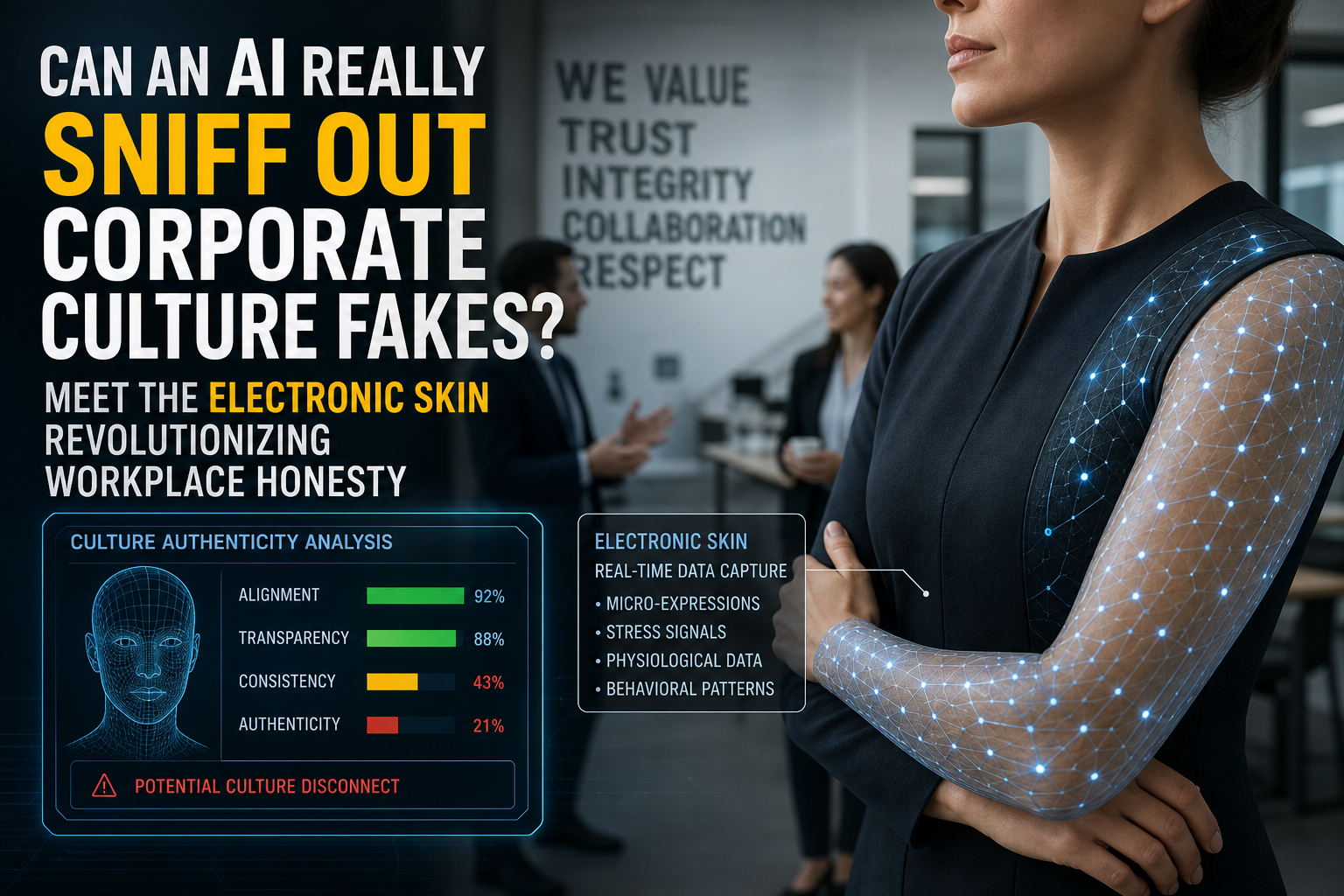
At the core of this technological advancement is the use of electronic skin sensors embedded in wearable devices. These sensors monitor physiological responses, such as stress levels and skin temperature, during various workplace interactions. By capturing real-time data, these devices aim to provide an objective measure of employee engagement and satisfaction.
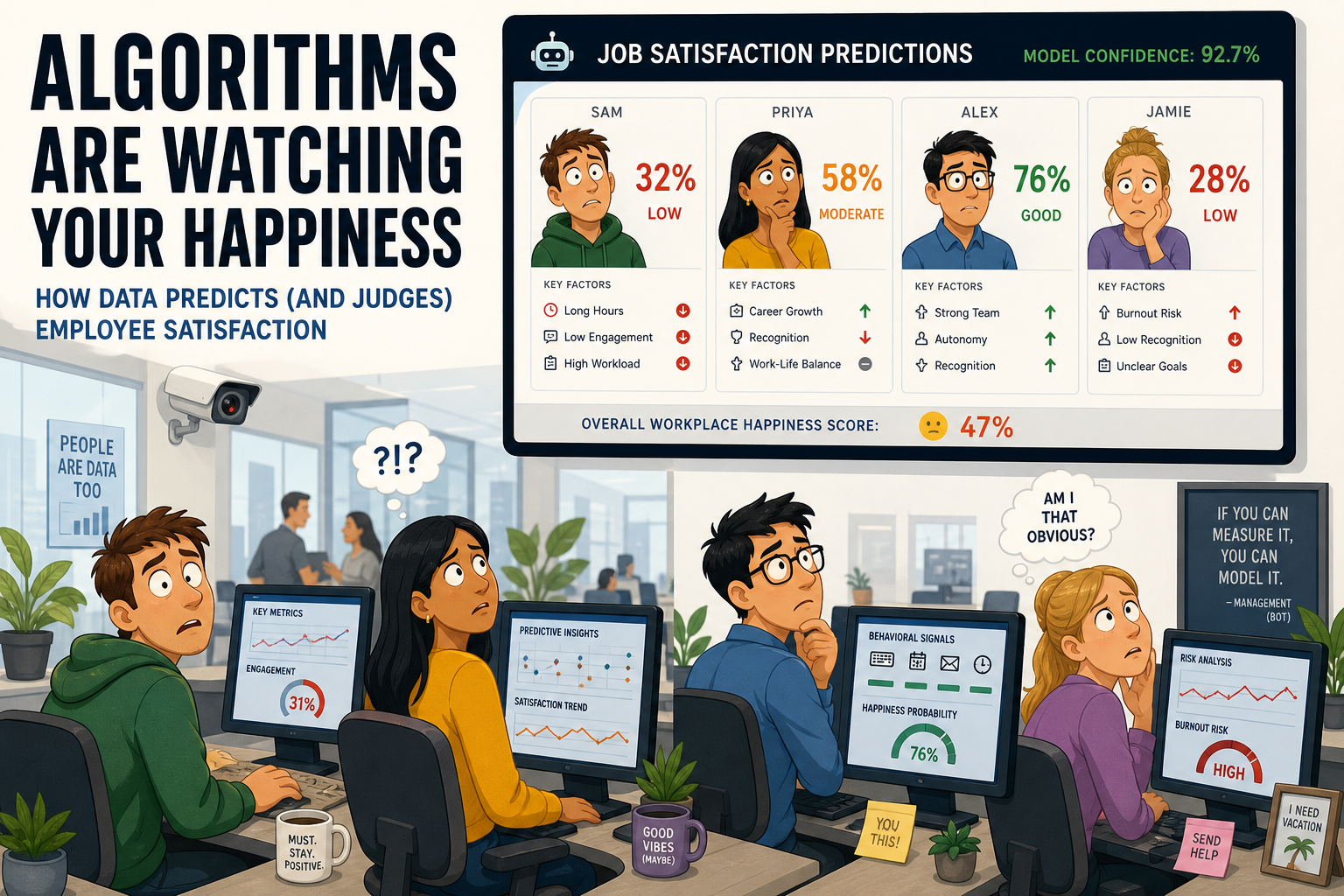
The AI algorithms analyze this biometric data to identify discrepancies between reported feelings of well-being and actual physiological responses. This capability could potentially revolutionize how organizations assess their corporate culture, moving beyond subjective surveys to more concrete, data-driven insights.
Challenges and Adoption Risks
While the promise of AI and biometric technology in assessing corporate culture is compelling, several challenges and risks must be addressed. First, the accuracy of biometric sensors and the algorithms that interpret the data is critical. If the technology fails to provide reliable insights, it could undermine its credibility and effectiveness.
Additionally, privacy concerns surrounding biometric data collection pose significant hurdles. Employees may be apprehensive about the extent to which their physiological data is monitored and analyzed. Organizations must navigate these concerns carefully, ensuring that they maintain transparency and obtain informed consent from employees.
Moreover, the implementation of such technology requires a cultural shift within organizations. Companies must be willing to embrace data-driven decision-making and foster an environment where employees feel comfortable sharing their experiences. Resistance to change can impede the adoption of these innovative solutions.
Investor Diligence and Market Viability
For investors considering opportunities in this space, thorough due diligence is essential. Evaluating the technology's efficacy, the startup's business model, and its ability to scale are critical factors in assessing market viability. Investors should also consider the competitive landscape, as numerous startups are entering the market with similar offerings.
Furthermore, understanding the regulatory environment surrounding biometric data is crucial. As governments and organizations grapple with privacy laws and ethical considerations, startups must be prepared to adapt their practices to comply with evolving regulations.
Strategic Considerations for Founders
Founders in this emerging sector should focus on building a robust value proposition that addresses both the technological and human aspects of corporate culture assessment. This includes not only developing reliable technology but also fostering partnerships with organizations that prioritize employee well-being.
Additionally, effective communication of the benefits of biometric technology to potential clients is vital. Founders should emphasize how their solutions can lead to improved employee engagement, retention, and overall organizational performance.
Conclusion
The integration of AI and biometric technology represents a significant advancement in the assessment of corporate culture. As organizations seek to create more authentic and engaging workplaces, the demand for innovative solutions will continue to grow. However, addressing the challenges of accuracy, privacy, and cultural acceptance will be critical to the successful adoption of these technologies.
Editor's note: This is original market analysis and not investment advice.
What's Your Reaction?
 Like
0
Like
0
 Dislike
0
Dislike
0
 Love
0
Love
0
 Funny
0
Funny
0
 Angry
0
Angry
0
 Sad
0
Sad
0
 Wow
0
Wow
0