
The Future of Retail: Balancing Automation and Human Connection
The Future of Retail: Balancing Automation and Human Connection By Startup Korea Research Desk | May 06, 2026 As the retail landscape continues to evolve, the integration of automation technologies has become a defining characteristic of modern...

The Future of Retail: Balancing Automation and Human Connection
By Startup Korea Research Desk | May 06, 2026
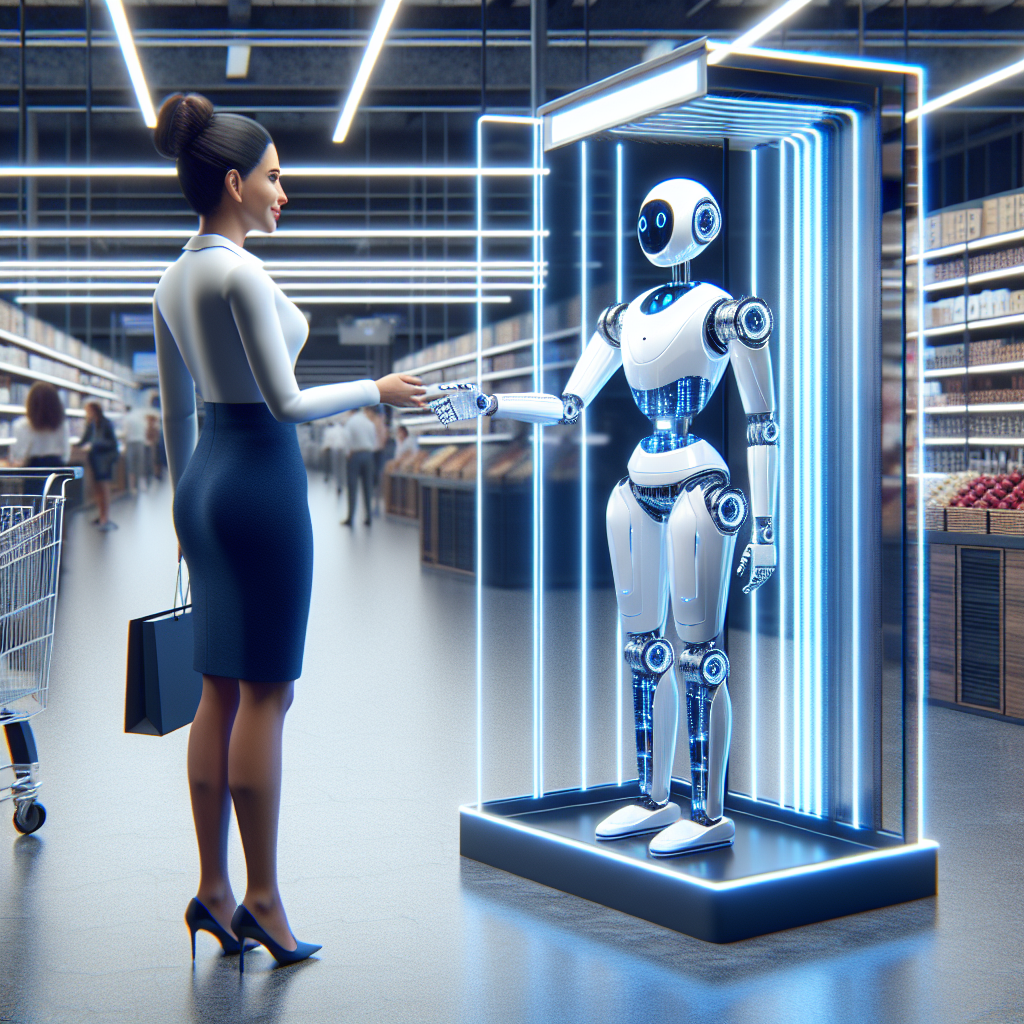
As the retail landscape continues to evolve, the integration of automation technologies has become a defining characteristic of modern shopping experiences. However, a growing number of startups are exploring how to infuse a sense of human connection into these automated environments. This analysis examines the emerging trends in automated retail, the potential benefits and risks of human-centric approaches, and the implications for investors and founders in this rapidly changing market.
Market Trends: The Rise of Automated Retail
The global automated retail market is projected to reach approximately $45 billion by 2027, reflecting a compound annual growth rate (CAGR) of 20.5%. This growth is driven by advancements in technology, including artificial intelligence, machine learning, and robotics, which enable retailers to streamline operations and enhance customer experiences. Self-checkout systems, automated kiosks, and robotic assistants are becoming commonplace in urban environments, offering convenience and efficiency to consumers.
Consumer Demand for Connection
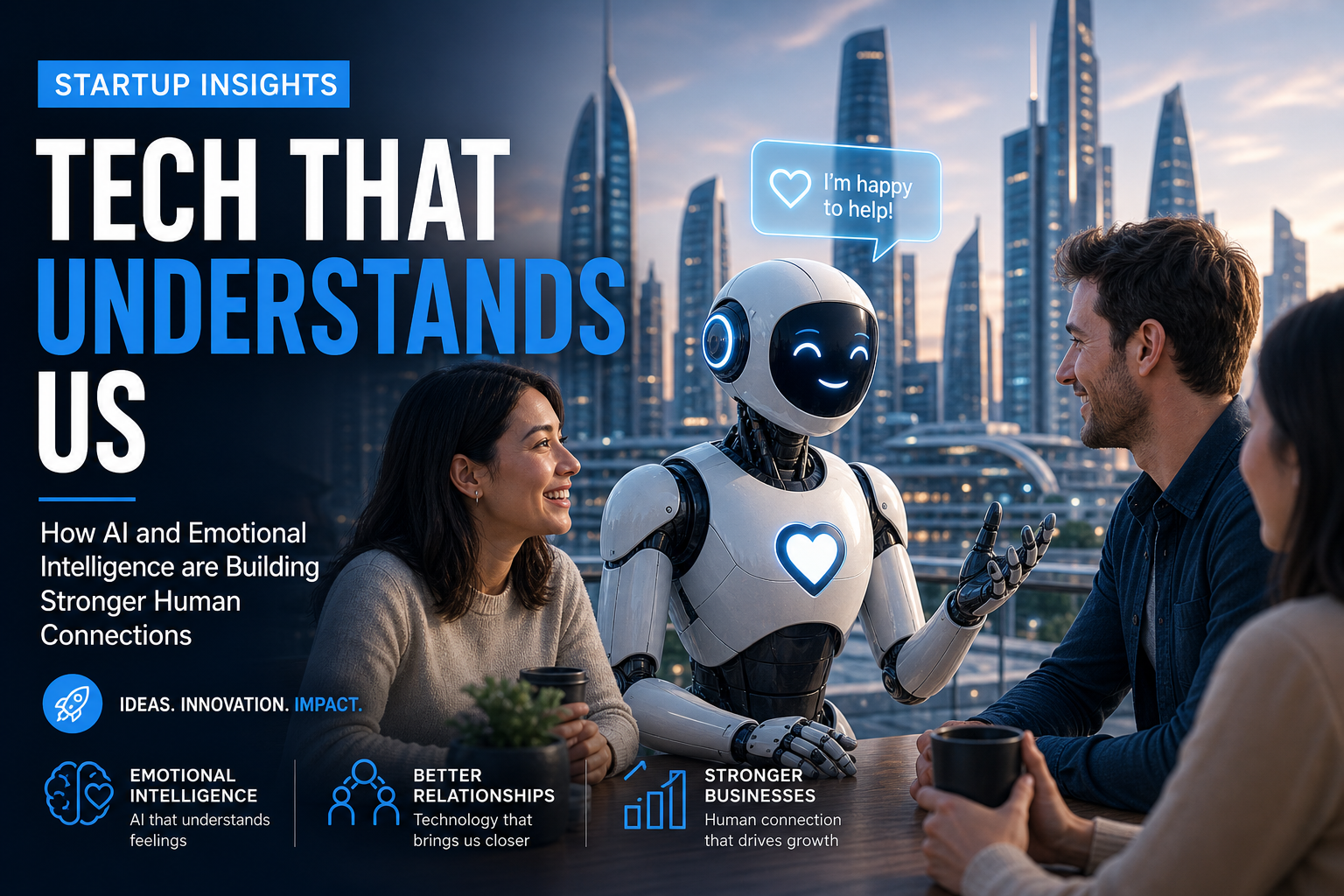
Despite the benefits of automation, there is a growing recognition that consumers still value human interaction. Research indicates that emotional engagement can significantly influence purchasing decisions, leading to increased customer loyalty and satisfaction. Startups that aim to bridge the gap between automation and human connection are tapping into this consumer sentiment, seeking to create environments that feel welcoming and personalized.
Business Model Quality: Infusing Humanity into Automation
Startups focusing on human-centric automated retail are experimenting with various business models. These may include:
- Interactive Technology: Utilizing AI-driven interfaces that simulate human interaction, such as chatbots or virtual assistants that can engage customers in conversation.
- Personalization: Leveraging data analytics to tailor shopping experiences based on individual preferences and past behaviors, making interactions feel more relevant and engaging.
- Community Engagement: Creating spaces that encourage social interaction, such as pop-up events or community-focused initiatives that foster a sense of belonging.
These models aim to enhance the shopping experience while maintaining the efficiency that automation provides. However, the challenge lies in ensuring that these human-like interactions do not come off as disingenuous or overly scripted.
Adoption Risks: Consumer Psychology and Market Acceptance
While the concept of human-centric automated retail is appealing, there are inherent risks associated with its adoption. Consumer psychology plays a crucial role in determining the success of these initiatives. Questions arise regarding whether customers genuinely desire interactions with automated systems or if they prefer the traditional human touch.
Moreover, there is a risk that these innovations may be perceived as mere marketing gimmicks, potentially undermining their effectiveness. Retailers must conduct thorough market research to understand consumer preferences and ensure that their strategies align with actual demand.
Investor Diligence: Evaluating Opportunities in the Sector
For investors, the automated retail landscape presents both opportunities and challenges. As startups seek funding to develop and scale their technologies, investors must conduct diligent assessments of the business models and market potential. Key factors to consider include:
- Market Fit: Understanding the target audience and their willingness to embrace human-centric automation.
- Scalability: Evaluating the startup's ability to expand its technology across different markets and demographics.
- Competitive Landscape: Analyzing the competitive environment to identify potential threats and opportunities for differentiation.
Investors should also consider the long-term sustainability of these business models, particularly in light of evolving consumer preferences and technological advancements.
Founder Strategy: Navigating the Future of Retail
For founders in the automated retail space, developing a clear strategy that balances automation with human connection is essential. This involves not only leveraging technology but also fostering a company culture that prioritizes empathy and customer engagement. Founders should focus on:
- Innovation: Continuously exploring new technologies and approaches to enhance the customer experience.
- Feedback Loops: Establishing mechanisms for gathering customer feedback to refine offerings and improve interactions.
- Partnerships: Collaborating with other businesses and stakeholders to create a more integrated and holistic retail experience.
By prioritizing these strategies, founders can position their startups for success in a competitive landscape that increasingly values both efficiency and human connection.
Conclusion
The future of retail is poised to be shaped by the interplay between automation and human interaction. As startups explore innovative ways to create engaging shopping experiences, they must remain attuned to consumer preferences and market dynamics. By balancing the benefits of technology with the need for genuine connection, these ventures can carve out a niche in the evolving retail landscape.
Editor's note: This analysis is original market research and should not be considered investment advice.
What's Your Reaction?
 Like
0
Like
0
 Dislike
0
Dislike
0
 Love
0
Love
0
 Funny
0
Funny
0
 Angry
0
Angry
0
 Sad
0
Sad
0
 Wow
0
Wow
0