
The Future of Retail: AI-Powered Prediction Engines for Pop-Up Stores
By Startup Korea Research Desk | May 10, 2026 The retail landscape is undergoing significant transformation, driven by advancements in technology and changing consumer behaviors. Among these innovations, artificial intelligence (AI) is emerging...

By Startup Korea Research Desk | May 10, 2026
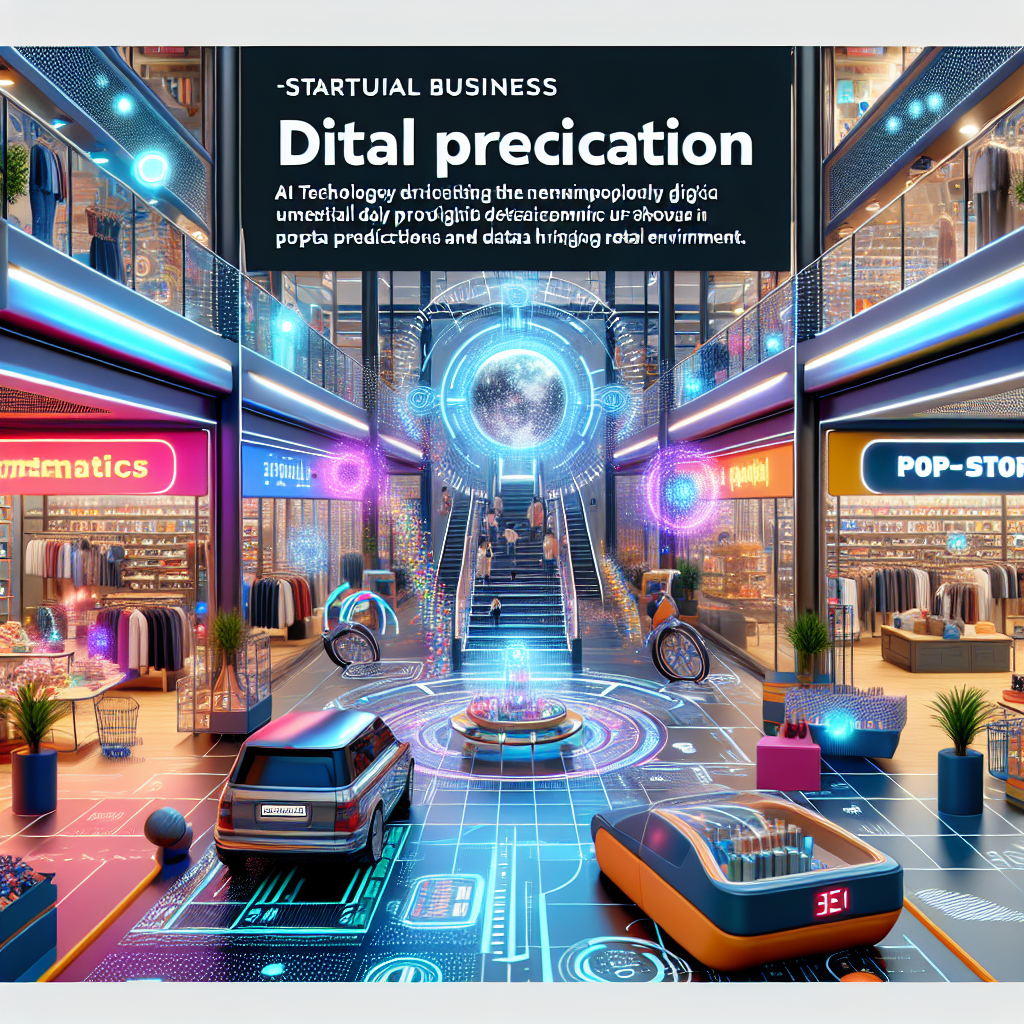
The retail landscape is undergoing significant transformation, driven by advancements in technology and changing consumer behaviors. Among these innovations, artificial intelligence (AI) is emerging as a pivotal force, particularly in the realm of pop-up retail. This analysis explores the implications of AI-driven prediction engines for pop-up stores, examining market trends, business model viability, adoption risks, and investor considerations.
Market Trends: The Rise of Pop-Up Retail
Pop-up stores have gained traction as a dynamic retail model, allowing brands to create temporary retail experiences that engage consumers in novel ways. The average lifespan of a pop-up store typically ranges from three to six months, with many brands utilizing this format to test new markets, launch products, or create buzz around their offerings. However, the success rate of these ventures is relatively low, with only about 30% reporting profitability during their operational period.
Despite these challenges, the global retail analytics market is projected to reach $20 billion by 2027, growing at a compound annual growth rate (CAGR) of 15.2%. This growth is indicative of a broader trend where retailers are increasingly leveraging data analytics to inform decision-making and enhance customer experiences.
The Role of AI in Retail Predictions
AI-powered prediction engines are designed to analyze a multitude of variables that can influence the success of pop-up stores. These variables may include foot traffic patterns, demographic data, local consumer preferences, and even social media trends. By synthesizing this information, AI can provide insights that help retailers make informed decisions about location, product offerings, and marketing strategies.
For instance, an AI system might evaluate the density of yoga studios in a neighborhood to predict the viability of a vegan taco pop-up, thereby guiding retailers in their strategic planning. This level of data-driven insight can significantly reduce the risks associated with launching a pop-up store, making it an appealing option for brands looking to innovate.
Business Model Quality: Evaluating Viability
The business model of AI-driven prediction engines for retail hinges on their ability to deliver actionable insights that lead to improved outcomes for pop-up stores. Startups in this space must demonstrate not only the accuracy of their predictions but also the return on investment (ROI) for their clients. As competition intensifies, differentiation will be key; companies must focus on refining their algorithms and expanding their data sources to enhance predictive capabilities.
Moreover, the subscription-based model is gaining popularity among AI analytics providers, allowing retailers to access ongoing insights and updates. This model fosters long-term relationships between technology providers and retailers, creating opportunities for continuous improvement and adaptation to evolving market conditions.
Adoption Risks and Challenges
While the potential benefits of AI in retail are substantial, several adoption risks must be considered. First, the accuracy of AI predictions is contingent upon the quality and breadth of the data being analyzed. Retailers must ensure that they are providing comprehensive data inputs to maximize the effectiveness of AI tools.
Additionally, there is a risk of over-reliance on technology, which could lead to a lack of human intuition and creativity in retail strategy. Retailers must strike a balance between data-driven decision-making and the nuanced understanding of consumer behavior that comes from experience.
Lastly, the fast-paced nature of retail means that consumer preferences can shift rapidly, making it challenging for AI systems to keep up. Continuous updates and refinements to algorithms will be necessary to maintain relevance in a dynamic market.
Investor Diligence: Evaluating Opportunities
For investors, the burgeoning field of AI-driven retail analytics presents both opportunities and challenges. Diligence is crucial, as investors must assess the technology's scalability, the team's expertise, and the startup's ability to adapt to market changes. Understanding the competitive landscape is also essential, as numerous players are vying for market share in this rapidly evolving sector.
Investors should also consider the regulatory landscape surrounding data privacy and AI usage, as compliance with these regulations will be critical for long-term success. Companies that prioritize ethical data practices and transparency will likely be better positioned to gain consumer trust and investor confidence.
Conclusion
The integration of AI in pop-up retail presents a promising avenue for enhancing consumer engagement and optimizing business outcomes. As the market for retail analytics continues to expand, startups that can effectively harness AI to provide actionable insights will likely play a crucial role in shaping the future of retail. However, the path to success is fraught with challenges, and both retailers and investors must navigate these complexities with diligence and foresight.
Editor's note: This analysis is original market research and should not be construed as investment advice.
What's Your Reaction?
 Like
0
Like
0
 Dislike
0
Dislike
0
 Love
0
Love
0
 Funny
0
Funny
0
 Angry
0
Angry
0
 Sad
0
Sad
0
 Wow
0
Wow
0