
The Future of Food Service: Analyzing the Rise of Robotic Chefs and Delivery Drones
The Future of Food Service: Analyzing the Rise of Robotic Chefs and Delivery Drones By Startup Korea Research Desk | Apr 12, 2026 The food service industry is undergoing a significant transformation driven by technological advancements, particul...

The Future of Food Service: Analyzing the Rise of Robotic Chefs and Delivery Drones
By Startup Korea Research Desk | Apr 12, 2026
The food service industry is undergoing a significant transformation driven by technological advancements, particularly in automation. The emergence of robotic chefs and delivery drones is not just a futuristic concept but a developing reality that could reshape how meals are prepared and delivered. This analysis explores the market trends, business model viability, adoption risks, and strategic considerations for founders and investors in this evolving landscape.
Market Context: Growth in Food Delivery
The global food delivery market has experienced remarkable growth, projected to reach $200 billion by 2027. This surge is attributed to changing consumer behaviors, particularly accelerated by the COVID-19 pandemic, which led to an increased reliance on home dining solutions. The food delivery sector is currently growing at an annual rate of approximately 12%, indicating a robust demand for innovative solutions that enhance convenience and efficiency.
Technological Advancements in Food Preparation
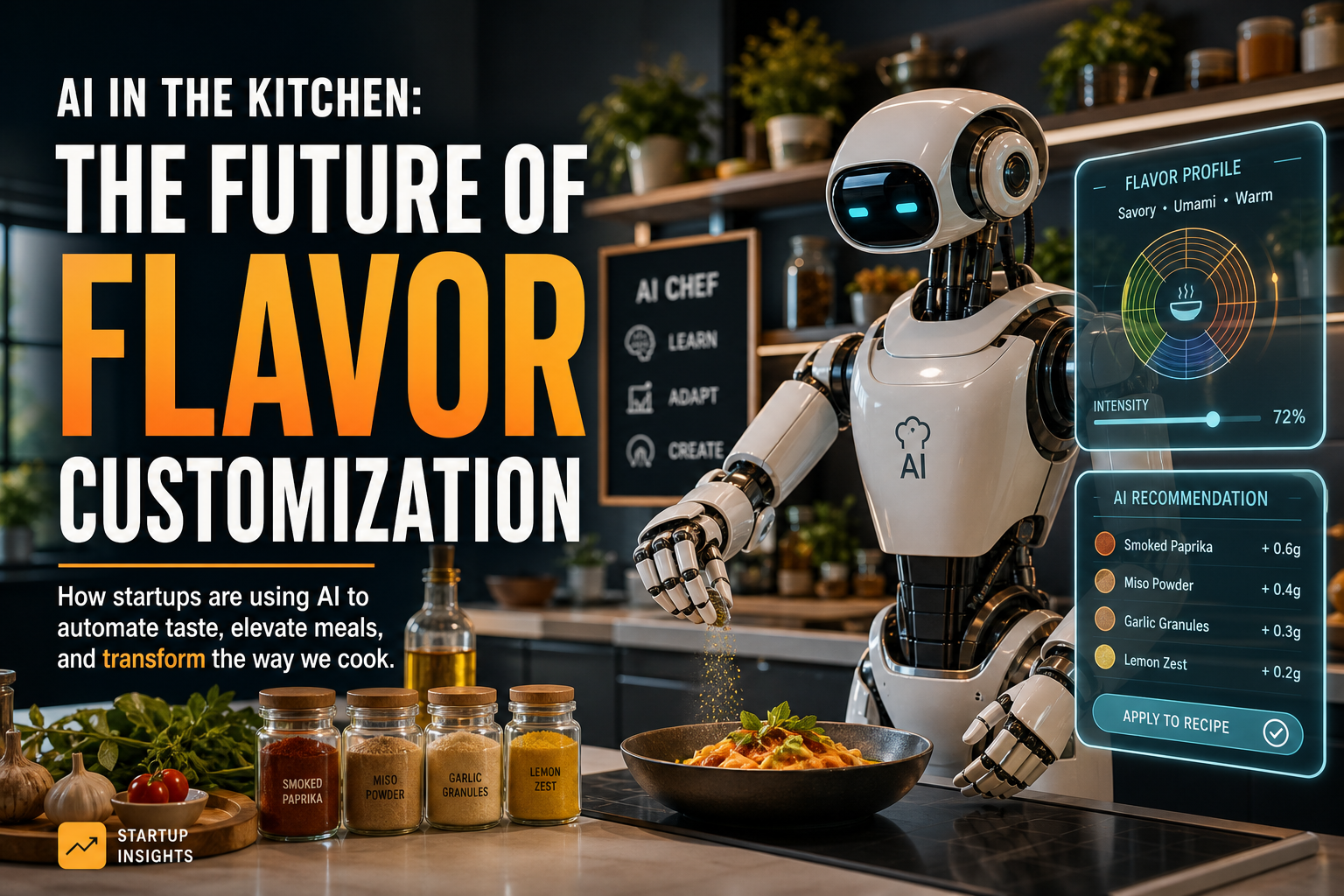
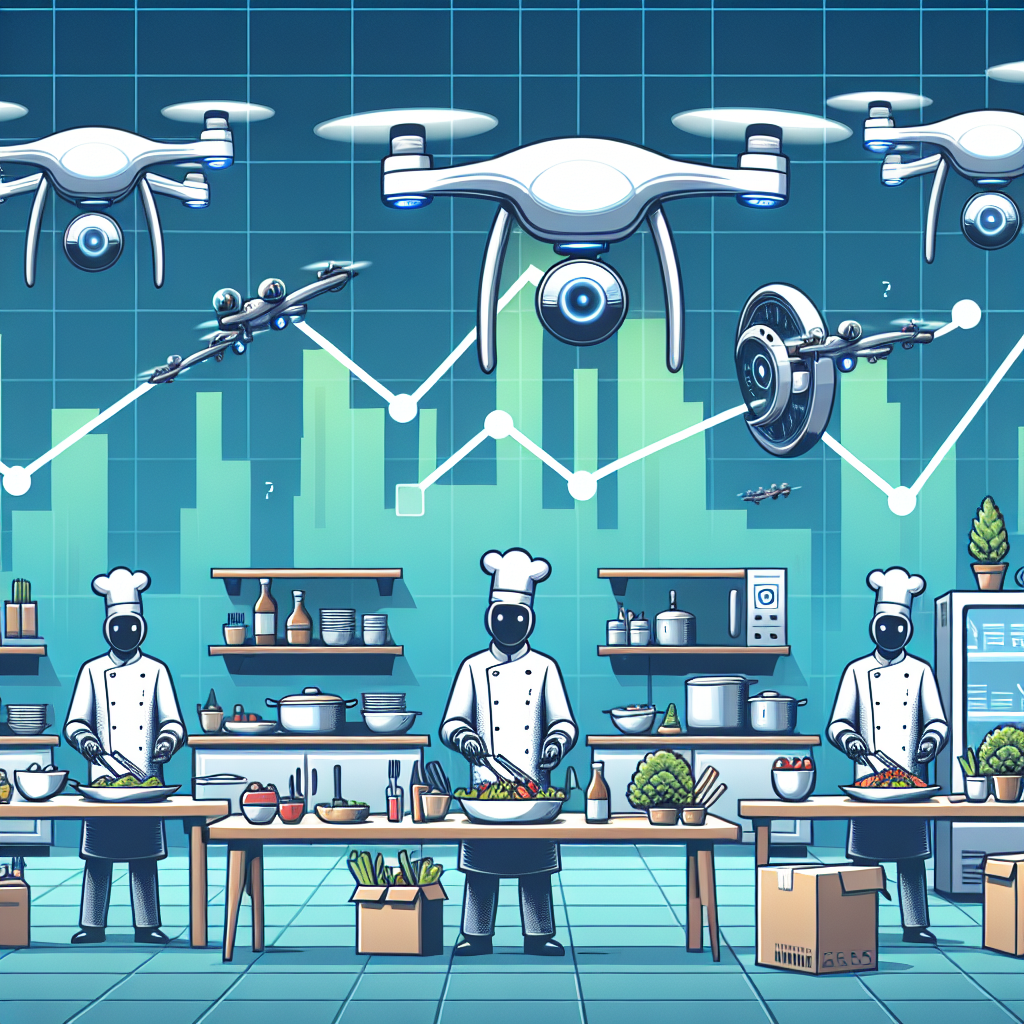
At the forefront of this transformation are robotic chefs, which utilize advanced technologies to replicate the culinary techniques of professional chefs. These biomimetic robots are designed to perform complex cooking tasks, promising consistency and precision in meal preparation. The market for such automation technologies is expected to grow at a compound annual growth rate (CAGR) of 25%, reflecting a strong interest from both consumers and investors.
Investment Landscape: Who's Funding Innovation?
As the food service industry embraces automation, investment in technology-driven solutions has surged. Venture capitalists and institutional investors are increasingly drawn to startups that offer innovative approaches to food preparation and delivery. The recent influx of funding in this sector underscores the belief that automation can significantly enhance productivity and operational efficiency.
Business Model Viability
The business models emerging around robotic chefs and delivery drones present both opportunities and challenges. Startups in this space must demonstrate not only technological feasibility but also a clear understanding of consumer preferences and operational logistics. The ability to integrate these technologies into existing food service frameworks will be crucial for success.
- Consumer Acceptance: The adoption of robotic chefs hinges on consumer willingness to embrace automation in their dining experiences. While some consumers may welcome the novelty, others may have reservations about the quality and authenticity of robot-prepared meals.
- Operational Efficiency: Startups must ensure that their robotic solutions can operate seamlessly within the existing food service infrastructure, minimizing disruption while maximizing efficiency.
- Regulatory Considerations: As with any new technology, regulatory hurdles may arise, particularly concerning food safety and labor laws. Navigating these challenges will be essential for startups aiming to scale their operations.
Risks and Constraints: Challenges Ahead
While the potential for robotic chefs and delivery drones is significant, several risks must be addressed. The reliance on technology introduces vulnerabilities, including system malfunctions and cybersecurity threats. Additionally, the perception of food quality and safety remains a critical concern for consumers. Startups must prioritize transparency and quality assurance to build trust in their automated solutions.
Strategic Considerations for Founders
For founders in the food service technology space, a clear strategic vision is paramount. This includes understanding market dynamics, consumer preferences, and the competitive landscape. Collaborations with established food service providers may offer valuable insights and facilitate smoother market entry. Moreover, continuous innovation and adaptation to consumer feedback will be essential for long-term success.
Conclusion
The integration of robotic chefs and delivery drones into the food service industry presents a compelling opportunity for innovation and growth. However, the path forward is fraught with challenges that require careful navigation. As the market evolves, stakeholders must remain vigilant and adaptable to ensure that technological advancements align with consumer expectations and operational realities.
Editor's note: This analysis is original market research and should not be construed as investment advice. Stakeholders are encouraged to conduct their own due diligence before making investment decisions.
What's Your Reaction?
 Like
0
Like
0
 Dislike
0
Dislike
0
 Love
0
Love
0
 Funny
0
Funny
0
 Angry
0
Angry
0
 Sad
0
Sad
0
 Wow
0
Wow
0