
The Future of Food Delivery: Analyzing the Role of Robotics and 3D Mapping Technology
The Future of Food Delivery: Analyzing the Role of Robotics and 3D Mapping Technology By Startup Korea Research Desk | Apr 09, 2026 The food delivery sector has undergone significant transformation in recent years, driven by technological advanc...

The Future of Food Delivery: Analyzing the Role of Robotics and 3D Mapping Technology
By Startup Korea Research Desk | Apr 09, 2026
The food delivery sector has undergone significant transformation in recent years, driven by technological advancements and changing consumer preferences. As the industry continues to evolve, innovative startups are emerging, leveraging robotics and artificial intelligence to enhance the dining experience. One such startup, which has recently made headlines, is focusing on integrating 3D mapping technology into its food delivery service, aiming to redefine how meals are prepared and delivered.
Market Dynamics: Growth and Opportunities
The global food delivery market has seen remarkable growth, particularly in the wake of the COVID-19 pandemic, which accelerated the shift towards online ordering and home delivery. According to industry reports, the food delivery market is projected to reach approximately $200 billion by 2025, reflecting a compound annual growth rate (CAGR) of around 10%. This growth presents significant opportunities for startups that can innovate and differentiate themselves in a crowded marketplace.
Technological Innovation: The Role of Robotics and 3D Mapping
One of the most promising advancements in the food delivery sector is the application of robotics, particularly in the preparation and delivery of meals. The integration of 3D mapping technology allows robotic systems to navigate complex home environments, enhancing the efficiency and reliability of food delivery services. This technology enables robots to understand spatial layouts, avoid obstacles, and adapt to various home configurations.
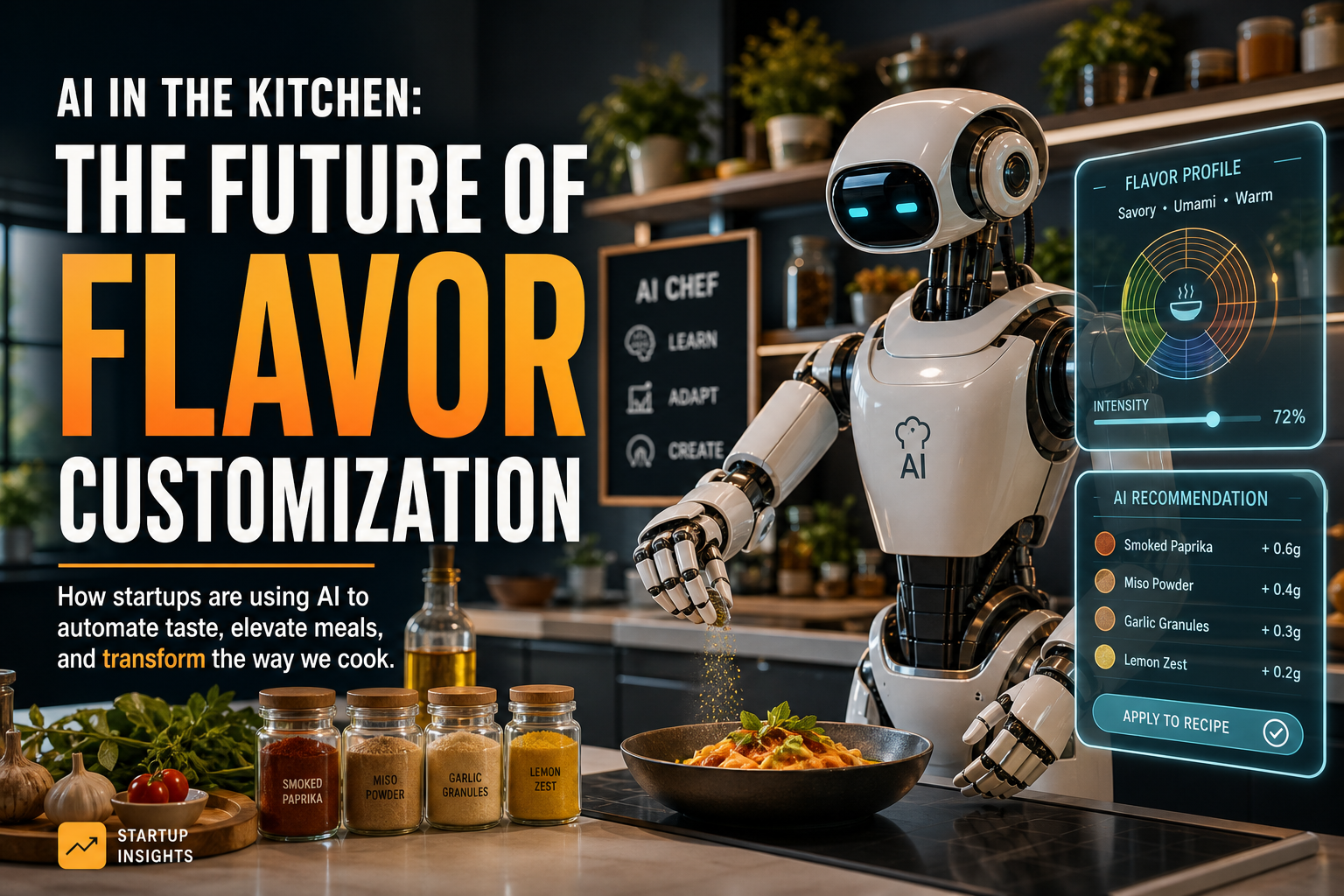
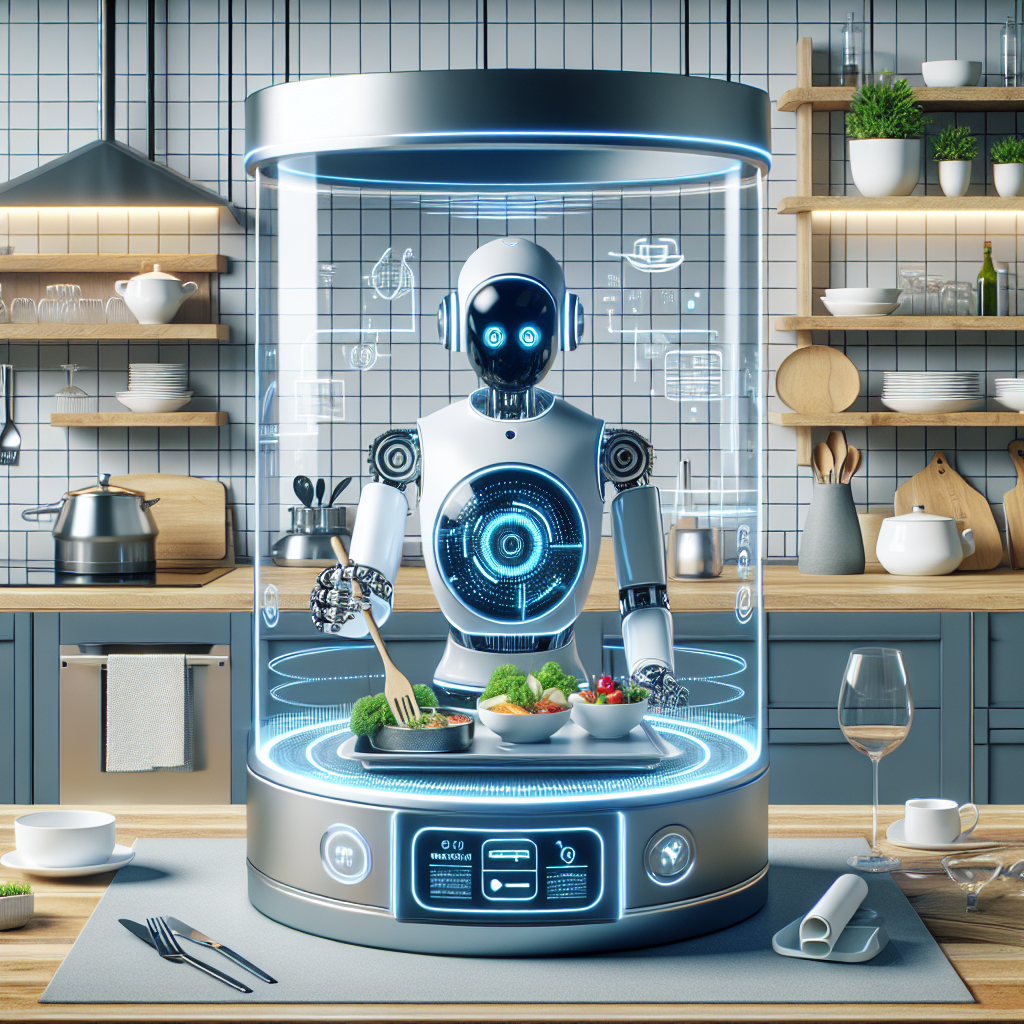
For instance, a robotic chef equipped with real-time 3D mapping capabilities can seamlessly navigate a kitchen, prepare meals, and deliver them to the dining area without human intervention. This not only streamlines the cooking process but also enhances the overall customer experience by providing timely and accurate deliveries.
Business Model Considerations
Startups venturing into the robotics-driven food delivery space must carefully consider their business models. Key factors include:
- Cost Structure: The initial investment in robotics and technology can be substantial. Startups need to assess whether they can achieve economies of scale and maintain profitability as they grow.
- Consumer Acceptance: While the novelty of robotic chefs may attract initial interest, long-term success will depend on consumer acceptance. Startups must ensure that their offerings meet customer expectations in terms of quality, taste, and service.
- Regulatory Compliance: As with any technology-driven service, startups must navigate regulatory frameworks that govern food safety, delivery logistics, and consumer protection.
- Partnerships: Collaborating with established food brands, local restaurants, or delivery platforms can enhance credibility and expand market reach.
Adoption Risks and Challenges
While the potential for robotics in food delivery is significant, several adoption risks and challenges must be addressed:
- Technical Limitations: The effectiveness of 3D mapping technology relies on the accuracy of the underlying algorithms. Any technical failures could lead to operational inefficiencies and customer dissatisfaction.
- Market Competition: The food delivery market is highly competitive, with numerous players vying for market share. Startups must differentiate their offerings to stand out.
- Consumer Trust: Building trust in robotic systems is crucial. Startups must demonstrate reliability and safety to gain consumer confidence.
Investor Diligence: Evaluating Opportunities
For investors, the robotics-driven food delivery sector presents both opportunities and challenges. Diligence is essential when evaluating potential investments. Key considerations include:
- Technology Viability: Assessing the robustness of the underlying technology, including the effectiveness of 3D mapping and robotics.
- Market Positioning: Understanding the startup's competitive positioning and differentiation strategies within the food delivery landscape.
- Management Team: Evaluating the experience and expertise of the founding team in both technology and the food industry.
Conclusion: The Path Forward
The integration of robotics and 3D mapping technology into food delivery services represents a significant shift in how consumers access meals. As startups continue to innovate, the potential for enhanced efficiency and customer experience is substantial. However, navigating the complexities of technology adoption, market competition, and consumer acceptance will be critical for long-term success.
Editor's note: This article provides original market analysis and is not intended as investment advice.
What's Your Reaction?
 Like
0
Like
0
 Dislike
0
Dislike
0
 Love
0
Love
0
 Funny
0
Funny
0
 Angry
0
Angry
0
 Sad
0
Sad
0
 Wow
0
Wow
0