
The Future of Culinary Delivery: Analyzing the Rise of Robotic Chefs and Neurotechnology
The Future of Culinary Delivery: Analyzing the Rise of Robotic Chefs and Neurotechnology By Startup Korea Research Desk | May 06, 2026 The culinary delivery market is undergoing a transformation, driven by advancements in automation and neurotec...

The Future of Culinary Delivery: Analyzing the Rise of Robotic Chefs and Neurotechnology
By Startup Korea Research Desk | May 06, 2026
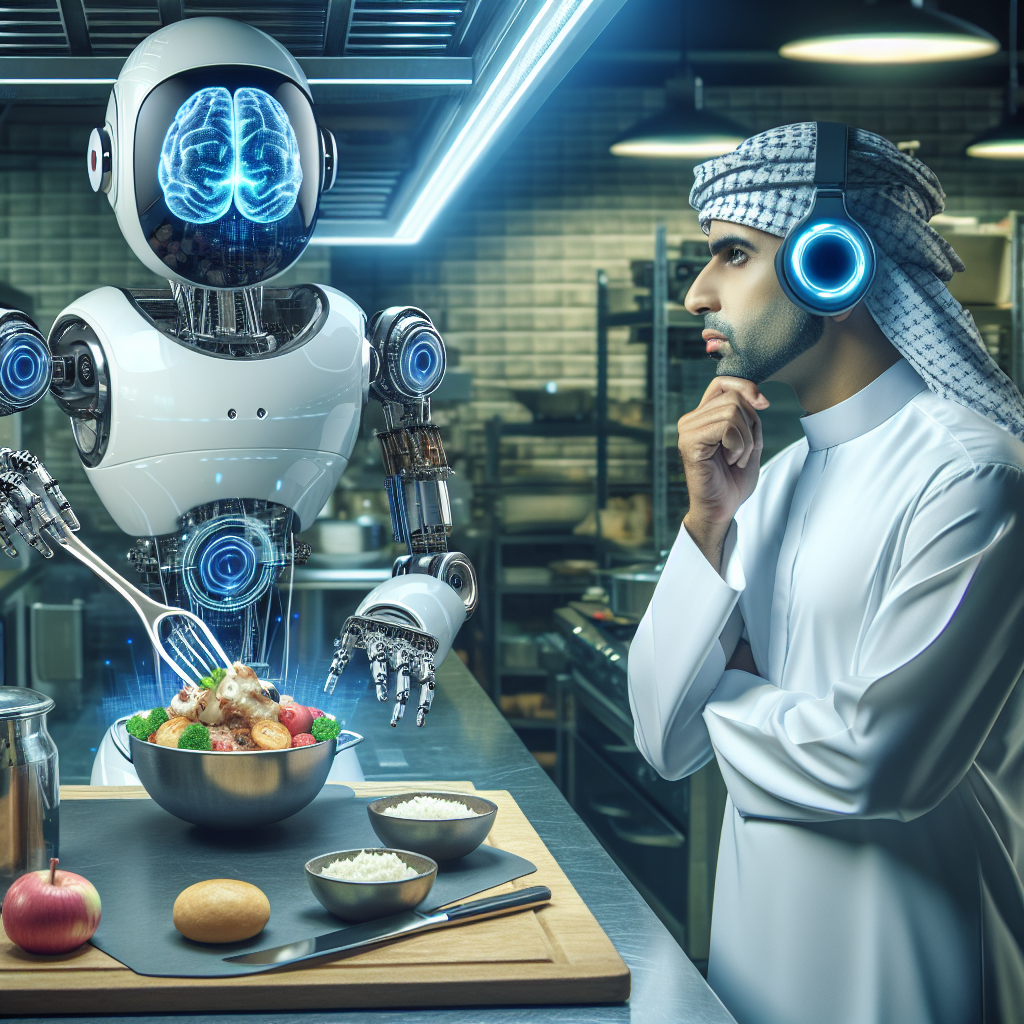
The culinary delivery market is undergoing a transformation, driven by advancements in automation and neurotechnology. As startups explore innovative solutions to enhance the dining experience, the intersection of robotics and technology presents both opportunities and challenges for investors and consumers alike. This analysis delves into the emerging trends within this sector, examining the implications for business models, adoption risks, and strategic considerations for founders.
Market Overview
The global robotic cooking market is poised for significant growth, with projections estimating it will reach $1.5 billion by 2027, expanding at an annual rate of 25%. This growth is fueled by increasing consumer demand for convenience and efficiency in meal preparation. Startups like RoboChef Inc. are at the forefront of this trend, leveraging substantial investments to develop innovative solutions that integrate robotics into the culinary space.
Investment Landscape
Recent funding rounds in the sector indicate a strong interest from investors in companies that are pioneering the use of robotic chefs and neurotechnology. For instance, RoboChef's recent $250 million investment round highlights the confidence investors have in the potential of these technologies to reshape the culinary landscape. The allure of automating meal preparation, combined with the novelty of brainwave-controlled interfaces, presents a compelling case for investment.
Business Model Viability
Startups operating in this space must carefully consider their business models. The integration of robotic chefs and neurotechnology into culinary delivery services raises questions about scalability, customer engagement, and long-term sustainability. Companies need to ensure that their offerings not only provide convenience but also enhance the overall dining experience. A successful business model will likely involve a combination of subscription services, on-demand meal preparation, and personalized culinary experiences driven by user preferences.
Adoption Risks
While the potential for growth is significant, there are inherent risks associated with the adoption of robotic chefs and neurotechnology. Consumer acceptance is a critical factor; many individuals may be hesitant to embrace technology that replaces traditional cooking methods. The human element of cooking—creativity, tradition, and personal touch—remains a vital aspect of the culinary experience. Startups must navigate these sentiments carefully, ensuring that their technologies complement rather than replace human involvement in the kitchen.
Ethical Considerations
The use of neurotechnology, particularly brainwave-controlled interfaces, introduces ethical considerations that must be addressed. Concerns surrounding privacy, data security, and the potential for over-reliance on technology are paramount. Founders should prioritize transparency and user education, fostering trust among consumers as they introduce these innovative solutions into everyday life.
Strategic Considerations for Founders
For entrepreneurs in the culinary delivery space, developing a clear strategy is essential. This involves not only understanding market dynamics but also engaging with potential customers to gauge their preferences and concerns. Collaborations with culinary experts can help bridge the gap between technology and traditional cooking, ensuring that the human touch is preserved. Additionally, founders should remain agile, adapting their offerings based on consumer feedback and technological advancements.
Conclusion
The intersection of robotics and culinary delivery presents a unique opportunity for innovation and growth. As the market evolves, startups must navigate the complexities of consumer acceptance, ethical considerations, and business model viability. By prioritizing transparency and user engagement, founders can position themselves for success in this rapidly changing landscape.
Editor's note: This analysis is original market research and does not constitute investment advice.
What's Your Reaction?
 Like
0
Like
0
 Dislike
0
Dislike
0
 Love
0
Love
0
 Funny
0
Funny
0
 Angry
0
Angry
0
 Sad
0
Sad
0
 Wow
0
Wow
0