



The Future of Commuting: Analyzing the Role of Battery-Free Sensor Nodes in the Metaverse Workspace
The Future of Commuting: Analyzing the Role of Battery-Free Sensor Nodes in the Metaverse Workspace By Startup Korea Research Desk | Apr 11, 2026 As urbanization continues to rise, so do the challenges associated with commuting. The average work...

The Future of Commuting: Analyzing the Role of Battery-Free Sensor Nodes in the Metaverse Workspace
By Startup Korea Research Desk | Apr 11, 2026
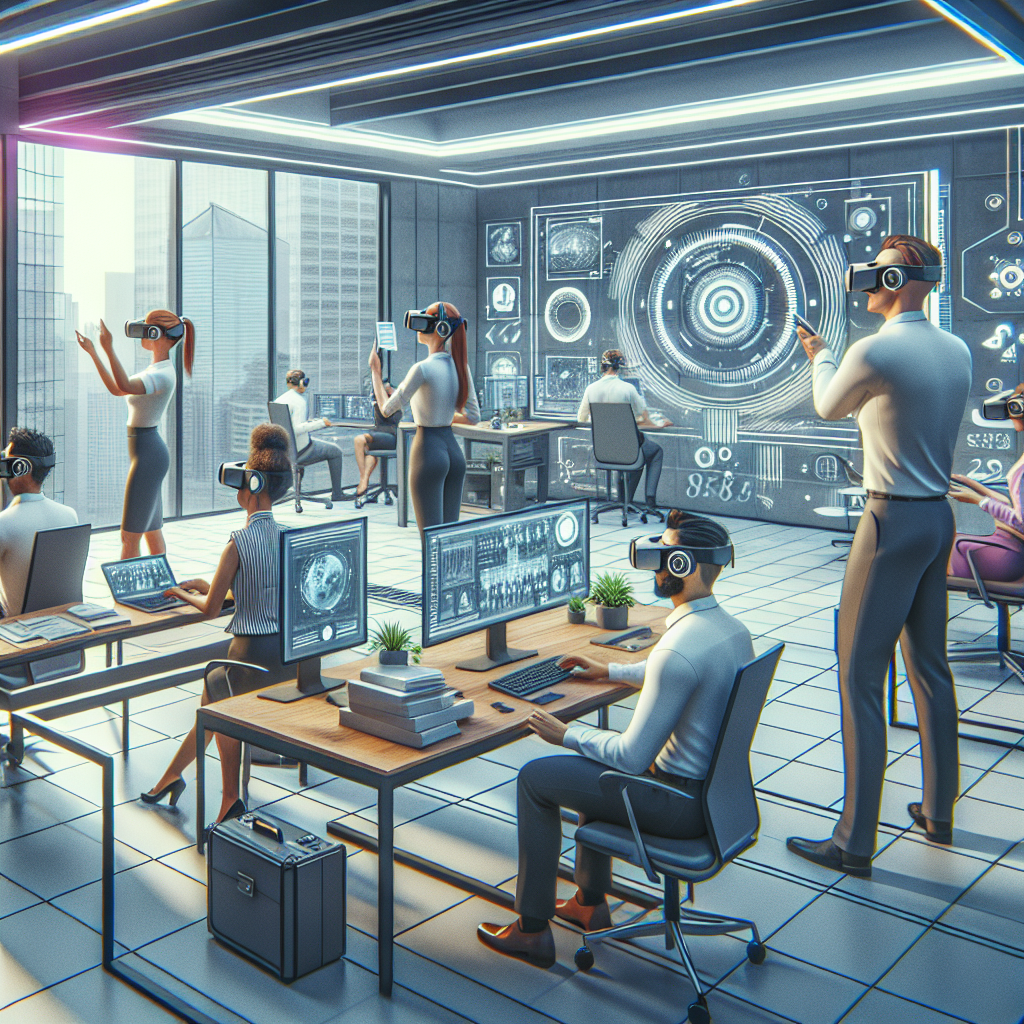
As urbanization continues to rise, so do the challenges associated with commuting. The average worker spends significant time in transit, which can lead to decreased productivity and increased stress. In response to these challenges, innovative solutions are emerging, particularly in the realm of remote work facilitated by advancements in technology. One such development is the introduction of battery-free sensor nodes, which aim to enhance the virtual workspace experience.
Market Trends in Remote Work Technologies
The global shift towards remote work has accelerated in recent years, driven by technological advancements and changing workforce expectations. According to industry forecasts, the remote work market is expected to grow significantly, with projections indicating a potential market size of $800 billion by 2026. This growth is largely attributed to the increasing demand for innovative solutions that address the limitations of traditional office environments.
Battery-Free Sensor Nodes: A Technological Breakthrough
At the forefront of this technological evolution are battery-free sensor nodes, which are designed to facilitate seamless interactions in virtual environments. These nodes operate by harnessing energy from ambient sources, such as vibrations and temperature fluctuations, thereby eliminating the need for traditional power sources. This innovation not only promises to enhance the efficiency of remote work but also aligns with sustainability goals, making it an attractive proposition for environmentally conscious businesses.
Investor Interest and Market Viability
The enthusiasm surrounding battery-free sensor technology reflects a broader trend in investment towards metaverse solutions. Investors are increasingly recognizing the potential of these technologies to transform the way we work and interact. However, while the initial funding rounds for companies developing these technologies have been robust, it is crucial for investors to conduct thorough due diligence. Understanding the technical feasibility, market demand, and competitive landscape is essential for assessing the long-term viability of such innovations.
Challenges and Adoption Risks
Despite the promising outlook, the journey towards widespread adoption of battery-free sensor nodes is not without its challenges. Critics often raise concerns regarding the reliability and efficiency of these technologies. Questions about the practicality of harnessing energy from ambient sources and the overall user experience in virtual workspaces must be addressed. Furthermore, potential regulatory hurdles and the need for industry standards could pose additional barriers to entry for startups in this space.
Strategic Considerations for Founders
For founders looking to enter the market with battery-free sensor technologies, a clear strategic vision is essential. This includes not only a robust technology development plan but also a comprehensive understanding of customer needs and market dynamics. Engaging with potential users early in the development process can provide valuable insights that shape product offerings and enhance market fit. Additionally, forming partnerships with established players in the remote work ecosystem could facilitate smoother market entry and increase credibility.
The Future of Commuting and Work
The concept of commuting is evolving, and the integration of metaverse technologies is poised to play a significant role in this transformation. As businesses continue to adapt to remote work models, the demand for innovative solutions that enhance virtual collaboration will only grow. Battery-free sensor nodes represent a potential leap forward in this regard, offering a glimpse into a future where commuting is redefined by technology.
Conclusion
In summary, the emergence of battery-free sensor nodes as a solution for enhancing the remote work experience highlights a significant trend in the evolution of commuting and workplace dynamics. While the potential for growth in this market is substantial, stakeholders must navigate the associated risks and challenges with diligence. As the landscape continues to evolve, ongoing innovation and strategic foresight will be critical for success in this burgeoning sector.
Editor's note: This analysis is original market research and does not constitute investment advice.
What's Your Reaction?
 Like
0
Like
0
 Dislike
0
Dislike
0
 Love
0
Love
0
 Funny
0
Funny
0
 Angry
0
Angry
0
 Sad
0
Sad
0
 Wow
0
Wow
0