



The Fitness Flop Prevention Service: A Deepfake of Wellness or the Future of Fitness?
By StartupKorea Business Desk | Feb 28, 2026 The Fitness Flop Prevention Service: A Deepfake of Wellness or the Future of Fitness?In a bold move that has left industry experts both bemused and intrigued, a startup specializing in 'fitness f...

By StartupKorea Business Desk | Feb 28, 2026
The Fitness Flop Prevention Service: A Deepfake of Wellness or the Future of Fitness?
In a bold move that has left industry experts both bemused and intrigued, a startup specializing in 'fitness flop prevention' services has secured $10 million in funding from a corporate venture capital firm. This latest investment comes as Americans grapple with yet another year of broken resolutions and declining gym memberships.
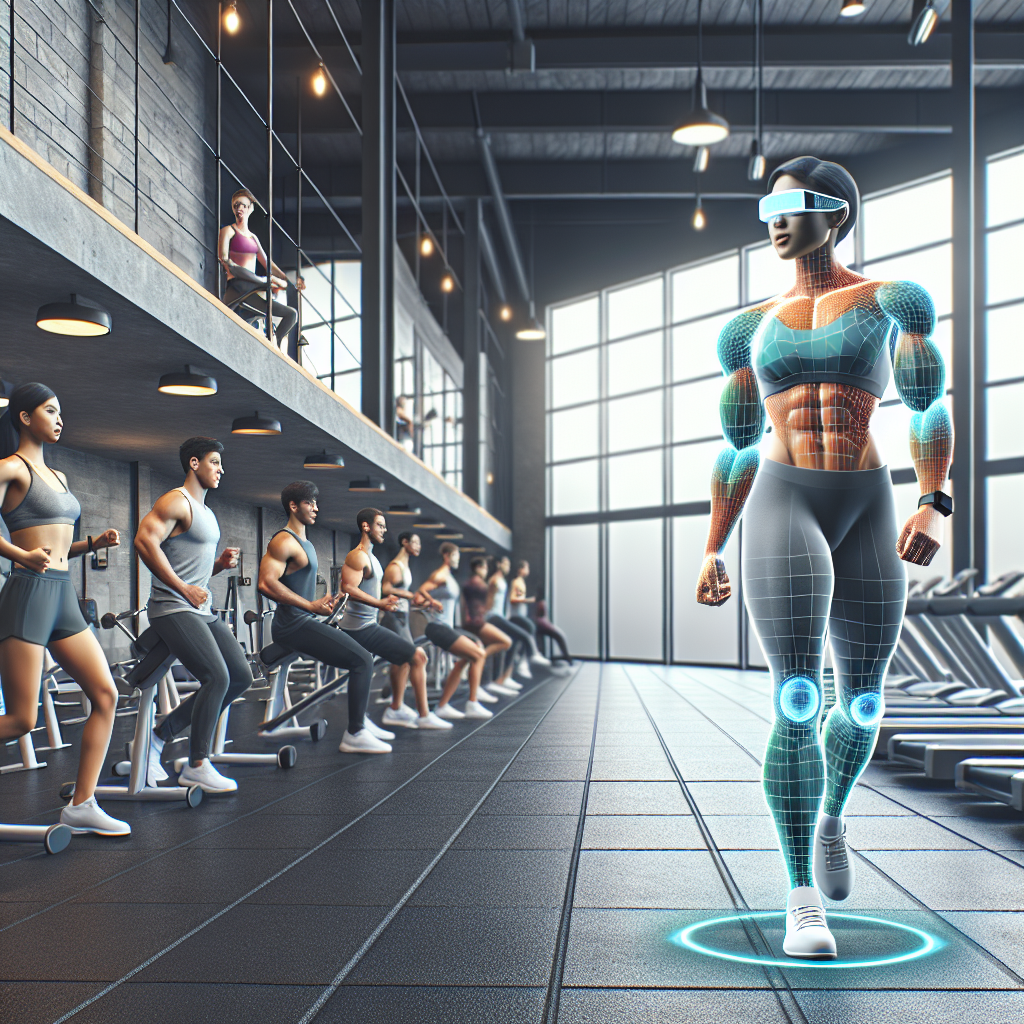
The startup, aptly named FitDefy, promises to utilize cutting-edge deepfake technology to provide personalized workout experiences that are not only visually convincing but also tailored to prevent the emotional despair often associated with failed fitness goals. “We’ve realized that it’s not just about getting fit; it’s about feeling fit,” said FitDefy CEO, Jenna Fitwell, in a statement that has sparked both laughter and concern in equal measure.
A Growing Market of Disillusionment
According to recent market research, the fitness industry is facing a crisis of confidence. In 2025, 60% of gym-goers abandoned their membership before the year was out, with only 15% achieving their fitness goals. The rise of online fitness programs has only exacerbated the situation, leading to a paradox where more options result in less motivation. As one analyst quipped, “It’s like having a buffet of kale—great in theory, but you’re still just as likely to end up ordering pizza.”
Investment Trends: The Absurdity Continues
FitDefy’s investment round, led by the corporate venture titan, CapitalGains, is part of a broader trend where investors are betting on the absurdities of the modern fitness landscape. CapitalGains Managing Partner, Rex Treadmore, expressed his delight: “We’re not saying this startup is going to change the world, but it’s definitely going to change the way we procrastinate on our New Year’s resolutions.”
This funding round marks a significant moment in venture capital, where the line between reality and parody seems increasingly blurred. As venture capitalists pour money into bizarre yet oddly compelling ideas, investors are reminded that in the world of startups, absurdity is often the mother of invention.
Deepfake Technology: A Double-Edged Sword
At the heart of FitDefy’s approach is a sophisticated deepfake authenticity verification engine, developed to generate hyper-realistic workout videos personalized to individual users’ tastes. While the prospect of having your favorite celebrity demonstrate squats in digital form may sound appealing, it raises ethical questions about authenticity in fitness.
“We’re navigating new territory here,” said industry analyst Miranda Gains. “If our workouts can be simulated by deepfakes, what happens to the idea of actually doing the workout?” The irony is not lost on those who lament the loss of genuine human connection in fitness culture.
Risks and Constraints: The Reality Check
Despite the buoyant rhetoric surrounding FitDefy, investors and consumers alike must contend with significant risks. As deepfake technology becomes more accessible, the potential for misuse grows. Questions about data privacy, emotional well-being, and long-term effectiveness hang like a fog over the startup's promise.
Furthermore, the startup faces a formidable competitor: reality. “At the end of the day, no amount of deepfake motivation can replace a good old-fashioned workout,” cautioned fitness coach, Barry Buff. “Fitness is about sweat, not pixels.”
Conclusion: A Fad or the Future?
As the fitness industry continues to grapple with its identity crisis, startups like FitDefy are finding innovative, if not entirely logical, solutions. Whether this venture will ultimately succeed or simply fade into the annals of fitness history remains to be seen. For now, investors and consumers alike watch with bated breath—and perhaps a side of kale—as the saga of fitness flops and deepfake dreams unfolds.
- Funding secured: $10 million
- 2025 gym membership abandonment rate: 60%
- Only 15% achieve fitness resolutions
What's Your Reaction?
 Like
0
Like
0
 Dislike
0
Dislike
0
 Love
0
Love
0
 Funny
0
Funny
0
 Angry
0
Angry
0
 Sad
0
Sad
0
 Wow
0
Wow
0