
The Evolution of Dating Technology: Market Trends and Business Models
The Evolution of Dating Technology: Market Trends and Business Models By Startup Korea Research Desk | Apr 29, 2026 The dating technology landscape is undergoing a significant transformation, driven by advancements in artificial intelligence (AI...


The Evolution of Dating Technology: Market Trends and Business Models
By Startup Korea Research Desk | Apr 29, 2026
The dating technology landscape is undergoing a significant transformation, driven by advancements in artificial intelligence (AI) and data analytics. As startups enter this burgeoning market, they are leveraging technology to enhance user experiences and redefine how individuals connect romantically. This analysis explores the current trends, business models, adoption risks, and the strategic considerations that founders and investors must navigate in this evolving sector.
Market Trends in Dating Technology
The dating market is projected to reach approximately $5 billion by 2025, reflecting a growing acceptance of technology in personal relationships. The rise of mobile applications and online platforms has fundamentally changed the way people meet and interact. Millennials and Gen Z, in particular, are increasingly open to using technology to facilitate romantic connections, with a reported 74% of Gen Z expressing interest in dating apps that incorporate advanced technologies.
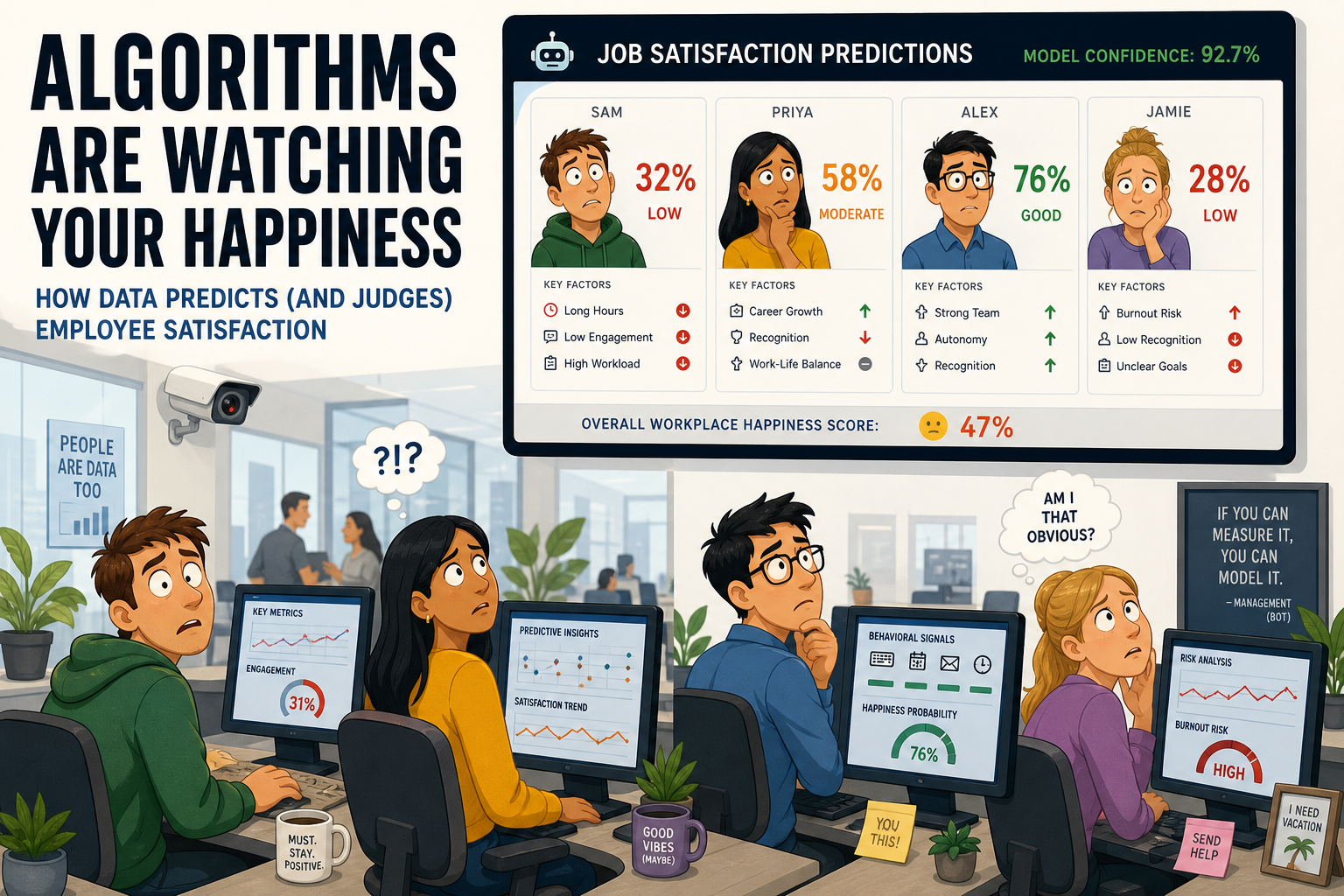
Moreover, the integration of AI into dating platforms is becoming a key differentiator. Startups are developing algorithms that not only match users based on preferences but also analyze behavioral patterns to predict relationship success. This shift towards data-driven matchmaking is indicative of a broader trend where emotional intelligence is being quantified and utilized to enhance user experiences.
Innovative Business Models
One of the most notable business models emerging in this space is the API-based approach, where companies offer their technology as a service to other developers and businesses. This model allows for scalability and flexibility, enabling third parties to integrate sophisticated matchmaking algorithms into their platforms. Such APIs can provide users with personalized recommendations, enhancing the overall dating experience.
Additionally, some startups are exploring subscription-based models, where users pay for premium features that offer deeper insights into their dating patterns and emotional analytics. This approach not only generates recurring revenue but also fosters user engagement by providing value-added services that enhance the dating experience.
Adoption Risks and Challenges
Despite the promising prospects of dating technology, several risks and challenges must be addressed. One significant concern is the potential for over-reliance on technology, which may undermine the human aspects of dating. Critics argue that while algorithms can provide insights, they cannot replicate the nuances of human emotions and interactions. This raises questions about the long-term viability of technology-driven matchmaking solutions.
Moreover, privacy and data security are paramount concerns for users. As dating platforms collect sensitive personal information, ensuring robust data protection measures is essential to maintain user trust. Startups must navigate regulatory landscapes and implement best practices to safeguard user data while providing personalized experiences.
Investor Diligence and Market Viability
For investors, conducting thorough due diligence is critical when evaluating startups in the dating technology space. Key factors to consider include the startup's technology stack, user acquisition strategies, and the scalability of its business model. Understanding the competitive landscape is also vital, as the market is becoming increasingly crowded with new entrants vying for attention.
Investors should assess the startup's ability to differentiate itself through unique value propositions, such as advanced emotional analytics or innovative matchmaking algorithms. Additionally, evaluating the founding team's experience and vision can provide insights into the startup's potential for long-term success.
Strategic Considerations for Founders
For founders in the dating technology sector, developing a clear strategic vision is essential. This includes identifying target demographics, understanding user needs, and continuously iterating on product offerings based on user feedback. Engaging with users to gather insights can help refine algorithms and improve overall user satisfaction.
Furthermore, establishing partnerships with other tech companies or influencers in the dating space can enhance visibility and credibility. Collaborating with psychologists or relationship experts can also lend authority to the platform, positioning it as a trusted resource for users seeking meaningful connections.
Conclusion
The dating technology market is poised for continued growth, driven by advancements in AI and changing societal norms around relationships. Startups that can effectively leverage technology while maintaining the human element of dating will likely find success in this competitive landscape. As the sector evolves, both investors and founders must remain vigilant in addressing the challenges and opportunities that arise.
Editor's note: This analysis is original market research and does not constitute investment advice.
What's Your Reaction?
 Like
0
Like
0
 Dislike
0
Dislike
0
 Love
0
Love
0
 Funny
0
Funny
0
 Angry
0
Angry
0
 Sad
0
Sad
0
 Wow
0
Wow
0